Apple’s highly anticipated Vision Pro headset is facing a remarkably slow sales period, significantly underperforming initial projections. Market analysis indicates that demand for the $3,500 device is far lower than anticipated, raising concerns about the product’s future and Apple’s foray into spatial computing.
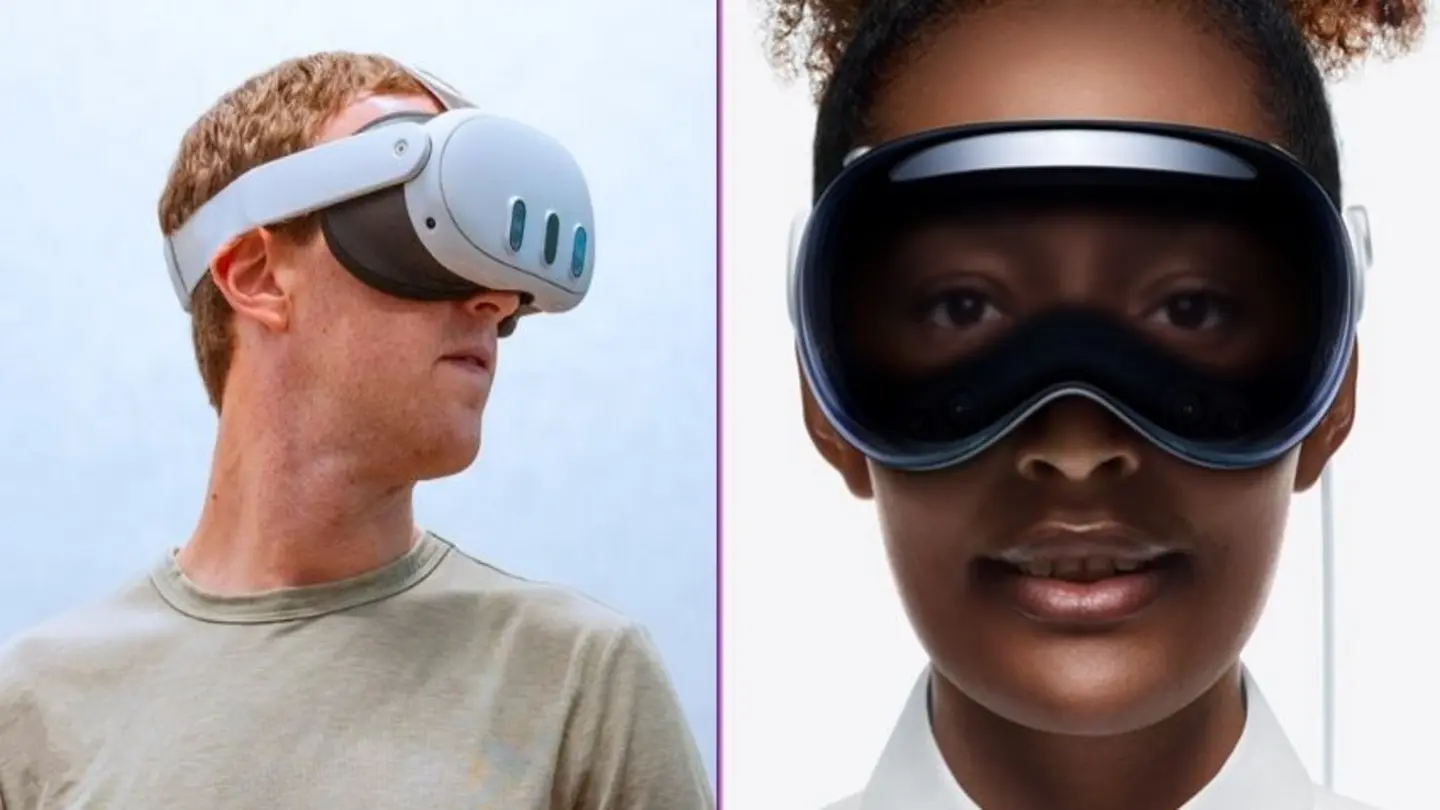
Initial estimates suggested Apple might sell between 500,000 to 1 million units in the first year. However, recent data reveals that sales are struggling to reach even the lowest end of this spectrum. Several factors contribute to this tepid reception, most notably the exceptionally high price point. Compared to competitors like Meta’s Quest 3, which offers a robust VR experience for a fraction of the cost, the Vision Pro is positioned as a luxury item accessible to a very limited consumer base.
Beyond price, analysts point to a lack of compelling ‘killer applications’ that justify the expense. While the device boasts impressive technology, including advanced displays and hand-tracking, the current software ecosystem isn’t robust enough to attract widespread adoption. Many potential buyers are waiting for developers to create experiences that truly leverage the Vision Pro’s unique capabilities.
Furthermore, the device’s physical design and usability are also under scrutiny. Reports suggest some users find the headset uncomfortable to wear for extended periods, and the external battery pack adds to the overall cumbersome experience. Accessibility concerns also exist, as the headset requires a prescription lens insert for many users, adding further to the cost and complexity.
Impact on Apple
The lackluster launch of the Vision Pro presents a strategic challenge for Apple. The company has heavily invested in augmented and virtual reality technologies, viewing spatial computing as the next major platform. A failure to gain traction in this market could significantly impact Apple’s long-term growth strategy. However, it is important to note Apple often takes a long-term view on new product categories. The first generation of many Apple products, including the original iPhone, faced similar skepticism.
Despite the current challenges, Apple remains committed to the Vision Pro. The company is expected to continue developing both the hardware and software ecosystem, addressing user feedback and introducing new features. Future iterations of the headset are likely to focus on lowering the price, improving comfort, and expanding the range of available applications. The Vision Pro’s success isn’t solely tied to immediate sales figures, but also its potential to influence the broader AR/VR landscape and establish Apple as a leader in this emerging technology.
For now, the Vision Pro appears to be largely confined to early adopters, developers, and those willing to pay a premium for cutting-edge technology. The broader consumer market remains unconvinced, and Apple has a significant task ahead if it wants to transform the Vision Pro from a niche product into a mainstream success. Analysts are watching closely to see how well Apple can navigate the current hurdles and demonstrate the true value of spatial computing.
Image Source: Google | Image Credit: Respective Owner