Apple has reportedly made a significant shift in its iPhone release schedule, opting to forgo a launch in 2026, according to a new report from Forbes. This marks the first time in over two decades the tech giant will not introduce a new numbered iPhone model within a calendar year.
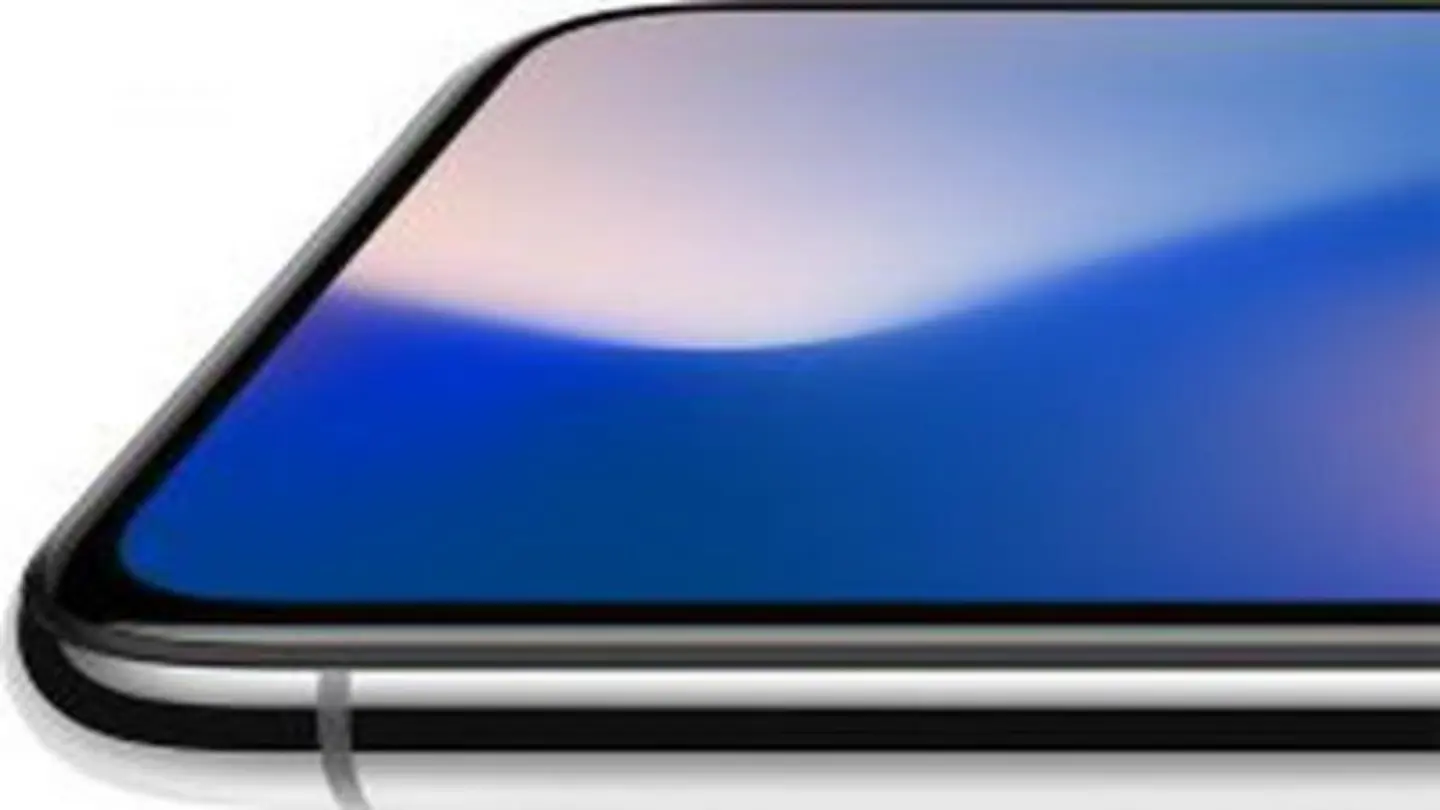
The delay centers around the development of a new display technology expected to be a key feature of the iPhone 19 in 2027. Sources indicate Apple is prioritizing the integration of this advanced MicroLED display, believing it requires a full extra year of refinement before being ready for mass production and consumer release. While OLED displays are currently standard, MicroLED promises superior brightness, contrast, and energy efficiency.
Impact on Development Cycles
This decision has cascading effects on Apple’s development roadmap. The iPhone 17, expected in Fall 2026, will likely represent a more modest upgrade compared to the typical “new numbered” iPhone releases. This is a familiar pattern – ‘S’ series iPhones usually deliver iterative improvements focused on performance and efficiency, rather than radical redesigns. However, skipping a full numbered release entirely is unprecedented.
The report suggests Apple engineers faced unforeseen hurdles in scaling MicroLED technology for use in a smartphone. Manufacturing smaller, brighter, and more durable MicroLED displays has proven significantly more challenging than initially anticipated. Several attempts to accelerate the process reportedly compromised quality and yield rates, causing concerns within the company.
Industry analysts suggest Apple’s willingness to delay a product launch highlights the company’s commitment to delivering a premium experience. Rather than rushing a potentially flawed MicroLED display to market, Apple seems content to wait until the technology meets its stringent standards. This strategy prioritizes brand reputation and maintains the perceived value of its flagship product.
Furthermore, the delay allows Apple to better synchronize the new display technology with other potential innovations planned for the iPhone 19. This holistic approach to product development is characteristic of Apple’s strategy, aiming for a unified and polished user experience. The waiting period could also lead to advancements in battery technology to fully capitalize on the efficiency gains offered by MicroLED.
The source claims Apple is heavily investing in MicroLED manufacturing, potentially establishing new partnerships to secure a stable supply chain. They aim for the iPhone 19 to be a game-changer with a dramatically improved visual experience, justifying the two-year wait. This gamble on future technology could pay off handsomely, separating Apple further from its competitors.
While officially Apple hasn’t commented on these claims, previous supply chain insights have often corroborated with eventual product releases. The tech world will be watching closely to see how Apple navigates this deviation from its traditional launch schedule and if the innovations planned for the iPhone 19 live up to the elevated expectations, given its prolonged development cycle. The focus now shifts heavily onto the iPhone 17, which will need to stand on its own as a significant release in the fall of 2026, given the absence of a new numbered model.
Image Source: Google | Image Credit: Respective Owner