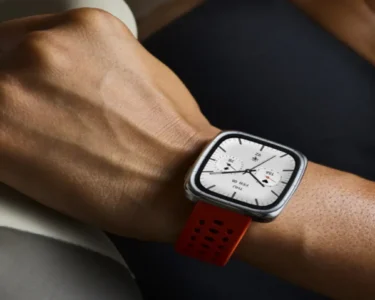
Apple Inc. is reportedly conducting a comprehensive strategic review of its Apple Fitness+ subscription service, with a significant potential pivot toward deeper integration with the company’s native Health app. According to sources cited by news aggregators, this internal assessment could reshape the future direction of the relatively young fitness platform, moving it from a standalone workout-centric service toward a more holistic, data-driven health ecosystem.
A Strategic Pivot Toward Unified Health Data
The core of the reported review centers on breaking down the silos between Apple’s health and fitness offerings. Currently, Apple Fitness+ primarily delivers curated video and audio workouts for Apple Watch users, while the Health app serves as a vast repository for user-collected health metrics—from heart rate and sleep analysis to blood oxygen and mobility data. A tighter integration would allow workout data from Fitness+ to seamlessly populate the Health app, providing users with a more complete longitudinal view of their wellness. This could manifest as enhanced dashboards showing how specific Fitness+ sessions contribute to broader health trends like daily activity rings, cardiovascular fitness (VO2 max), and even mindfulness metrics.
Such a move aligns with Apple’s long-standing vision of the Health app as the central hub for personal health information on its platforms. By folding Fitness+ more directly into this narrative, Apple could significantly increase the perceived value and stickiness of both services. For the average user, the friction of manually syncing or interpreting data from separate apps would be eliminated, creating a more intuitive and compelling reason to maintain both an Apple Watch and a Fitness+ subscription.
Competitive Landscape and Market Pressure
This potential strategic shift comes amid intensifying competition in the digital fitness and holistic health space. Rivals like Fitbit (owned by Google) have long offered integrated platforms where workout data feeds directly into comprehensive health profiles. Similarly, services such as Whoop and Oura Ring emphasize continuous recovery and readiness scores derived from multi-sensor data. Even traditional players like Peloton have expanded beyond hardware and live classes to include metrics tracking and nutrition guidance.
For Apple, integrating Fitness+ with Health is not just about feature parity; it’s about leveraging its unique advantage: the deeply integrated hardware-software-ecosystem moat. The Apple Watch already collects an unprecedented volume of health-related data. The challenge has been translating that data into actionable, user-friendly insights that drive engagement beyond the basic Activity Rings. A more powerful link between structured exercise (Fitness+) and passive health monitoring (Health app) could unlock new, personalized health coaching opportunities, potentially opening doors to future premium features or partnerships with the healthcare industry.
User Impact and Subscription Value
From a consumer perspective, this integration would represent a meaningful upgrade to the Apple Fitness+ value proposition. Subscribers could see their workout efforts automatically contribute to a richer health narrative—for instance, seeing how a consistent Yoga flow habit correlates with improved sleep trends or lower resting heart rate over time. The service could evolve from a library of classes into a proactive wellness guide that uses aggregated Health data to suggest relevant workouts, recovery periods, or mindfulness sessions.
This could also help Apple justify the $9.99/month or $79.99/year subscription cost in a crowded market by bundling utility. However, the success of such an integration hinges on flawless execution, clear communication to avoid user confusion, and robust privacy safeguards. Health data is exceptionally sensitive, and Apple would need to transparently reassure users that any new data flows remain under their control and adhere to the company’s established privacy frameworks.
Challenges and the Road Ahead
Implementing this vision is not without hurdles. Technically, seamlessly merging two complex data systems with different update frequencies and purposes requires careful engineering. From a product perspective, Apple must avoid cluttering the user experience. The Health app is already dense with information; adding rich Fitness+ analytics must feel additive, not overwhelming.
Moreover, the review itself suggests Apple is questioning whether its current Fitness+ model is optimized for growth. The service, while well-reviewed, operates in a market with many low-cost or free alternatives. A strategic bet on becoming the backbone of a consumer’s entire health monitoring routine—anchored by the Apple Watch—could be a powerful differentiator. Whether this remains an internal review or evolves into a concrete product roadmap is unclear, but the direction points toward Apple’s ambition to own the totality of its users’ wellness data, transforming Fitness+ from a nice-to-have subscription into an indispensable component of the Apple health ecosystem.
Image Source: Google | Image Credit: Respective Owner