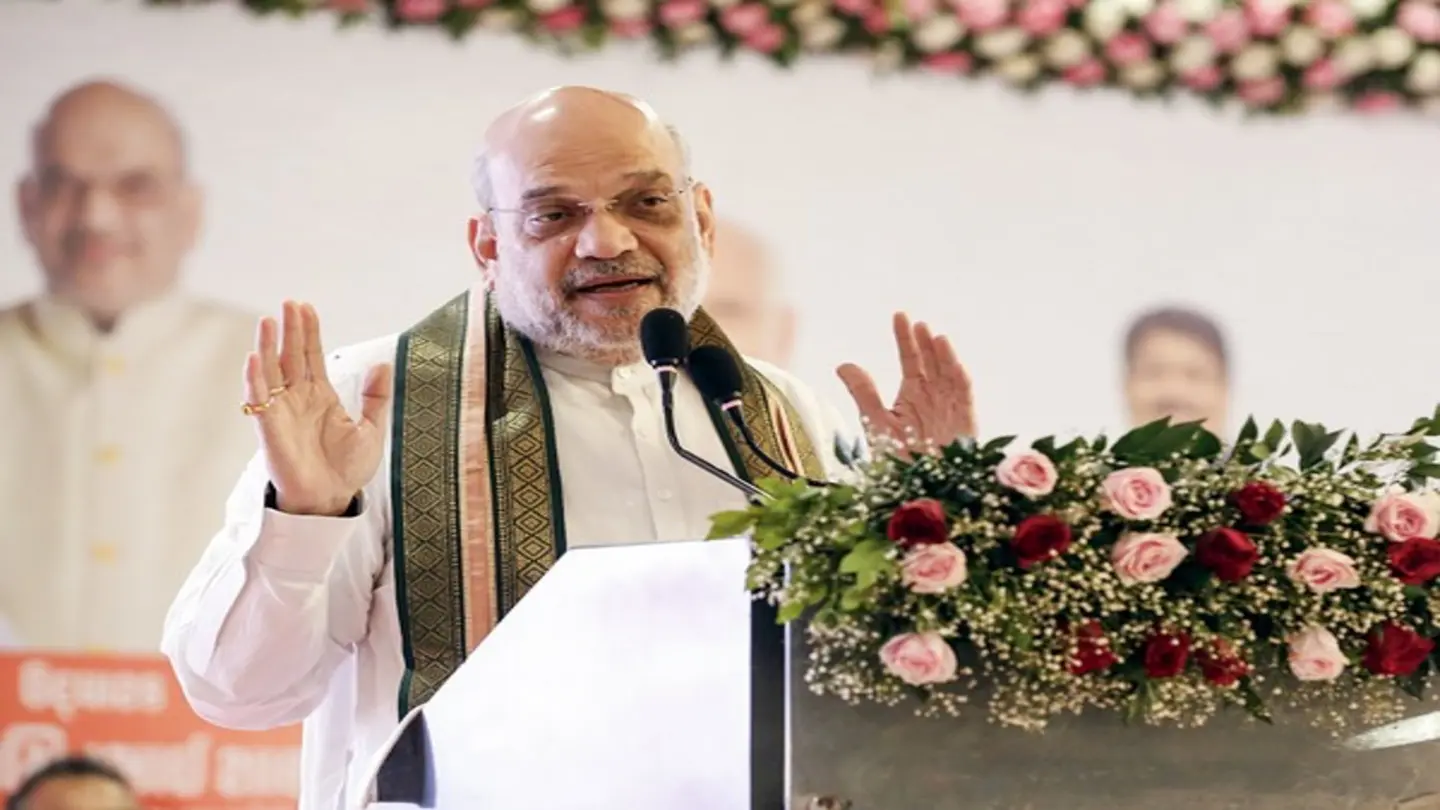
New Delhi – Union Home Minister Amit Shah on Friday called for the creation of an ‘impenetrable grid’ encompassing all security agencies to effectively counter terrorism, while also announcing a comprehensive ‘360-degree’ approach to national security. Addressing the Anti-Terrorism Conference-2025 in New Delhi, Shah emphasized the need for seamless information sharing and coordinated action between central and state agencies.
Shah stated that the evolving nature of terrorism necessitates a proactive and technologically advanced response. He highlighted the increasing use of cyberspace and cryptocurrencies by terrorist organizations for recruitment, radicalization, and funding. The Minister urged security forces to enhance their capabilities in these domains, advocating for the development of robust cyber security infrastructure and the implementation of stringent regulations to monitor financial transactions.
Focus on Emerging Threats
The conference, attended by Directors General of Police (DGPs) and Inspector Generals of Police (IGPs) from across the country, focused on emerging terrorist threats, including those emanating from the use of drones and the potential for ‘lone wolf’ attacks. Shah stressed the importance of strengthening border security and improving intelligence gathering mechanisms to prevent the infiltration of terrorists and the smuggling of arms.
He also advocated for a more human-centric approach to counter-terrorism, emphasizing the need to address the root causes of radicalization and provide support to vulnerable communities. This includes promoting education, employment opportunities, and social inclusion, as well as countering extremist ideologies through effective communication strategies.
The ‘360-degree’ approach announced by Shah involves a holistic assessment of all potential threats, encompassing both internal and external security challenges. This includes strengthening coastal security, improving disaster management capabilities, and enhancing coordination with neighboring countries. He specifically mentioned the need to address the issue of Naxalism with a similar comprehensive strategy, focusing on development, security, and good governance.
Furthermore, Shah called for greater use of data analytics and artificial intelligence (AI) in counter-terrorism operations. He suggested that these technologies could be used to identify patterns of suspicious activity, predict potential attacks, and improve the efficiency of security forces. He also emphasized the importance of capacity building and training for security personnel to equip them with the skills and knowledge necessary to deal with modern terrorist tactics.
The Home Minister also underscored the need for a unified and coordinated approach to counter-terrorism financing, urging agencies to work together to identify and disrupt the flow of funds to terrorist organizations. He called for stricter enforcement of existing laws and the development of new legislation to address the challenges posed by emerging financial technologies. The conference concluded with a commitment from all participants to implement the strategies outlined by Shah and to work towards a safer and more secure India.
Shah also reiterated the government’s commitment to providing all necessary resources and support to the security forces to enable them to effectively discharge their duties. He urged them to adopt a proactive and innovative approach to counter-terrorism and to remain vigilant against all potential threats.
Image Source: Google | Image Credit: Respective Owner