New research offers a potential explanation for why Alzheimer’s patients often forget their loved ones, providing hope for future treatments. The study, published recently, delves into the neurological mechanisms underlying memory loss in Alzheimer’s disease, focusing on how the brain processes and stores memories of familiar faces and individuals.
The Research Focus
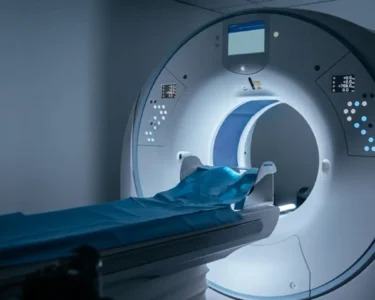
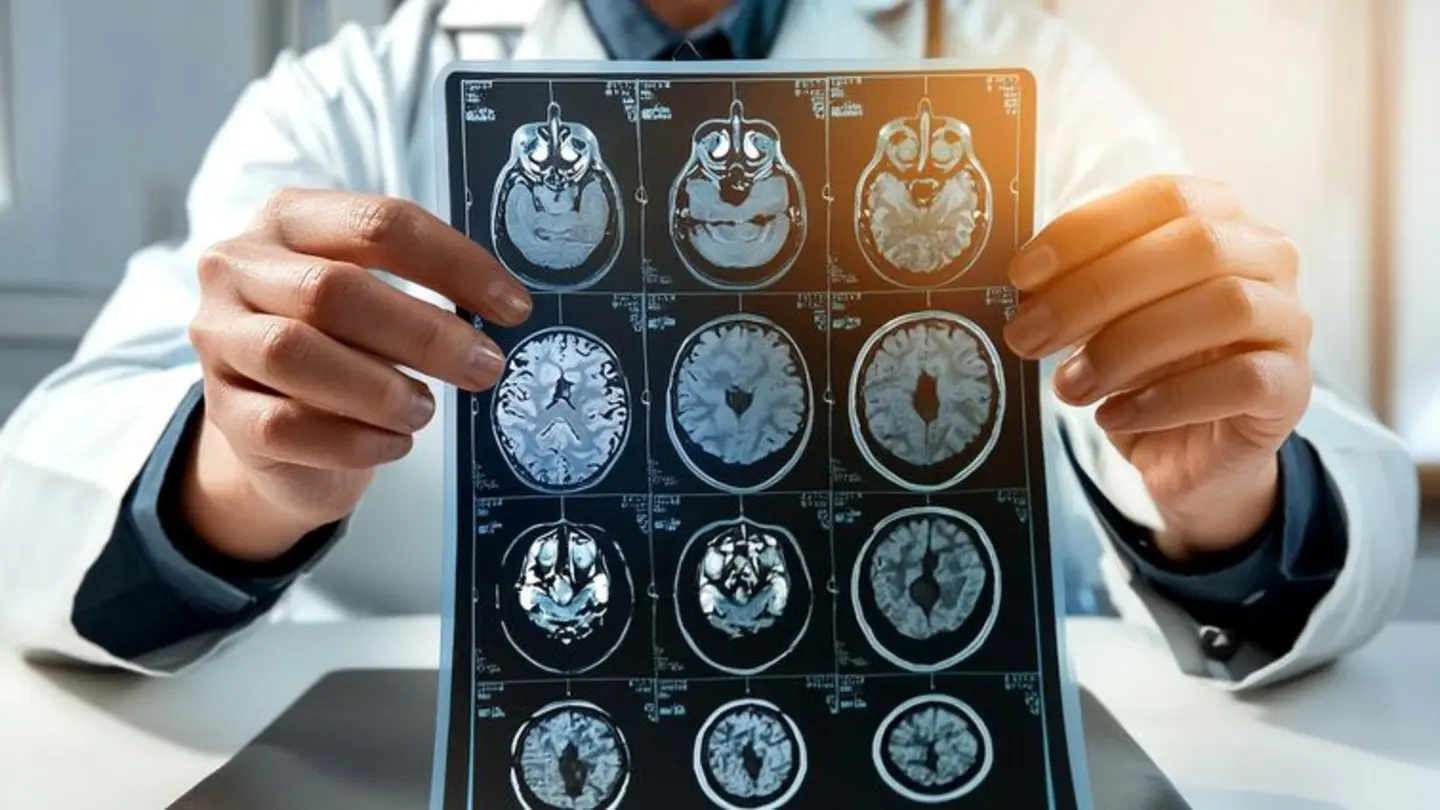
The research team, comprising neuroscientists and neurologists, investigated the role of specific brain regions involved in facial recognition and memory consolidation. They hypothesized that the deterioration of these regions, particularly the hippocampus and the entorhinal cortex, disrupts the encoding and retrieval of personal memories. The researchers used advanced brain imaging techniques, such as functional MRI (fMRI), to monitor brain activity in both healthy individuals and those with Alzheimer’s disease while they viewed images of familiar and unfamiliar faces.
The study revealed that in healthy brains, the hippocampus and entorhinal cortex exhibited strong activation when processing familiar faces, indicating the retrieval of associated memories and emotions. However, in Alzheimer’s patients, this activation was significantly reduced. Further analysis showed a correlation between the degree of hippocampal atrophy and the severity of facial recognition deficits.
Key Findings
One of the crucial findings was the identification of specific neural pathways that connect the visual cortex, responsible for processing visual information, with the hippocampus and other memory-related areas. In Alzheimer’s patients, these pathways were found to be damaged, hindering the efficient transfer of information needed to recognize and remember familiar faces. The researchers also explored the role of amyloid plaques and neurofibrillary tangles, the hallmark pathological features of Alzheimer’s disease, in disrupting these neural pathways.
The study demonstrated that the accumulation of these protein aggregates in the hippocampus and entorhinal cortex directly correlated with the severity of memory impairment. These findings suggest that the physical damage caused by amyloid plaques and neurofibrillary tangles disrupts the normal functioning of brain cells, leading to the breakdown of memory circuits.
Implications and Future Directions
These insights provide a deeper understanding of the complex neurological processes underlying memory loss in Alzheimer’s disease. The identification of specific neural pathways and the role of amyloid plaques and neurofibrillary tangles open up new avenues for developing targeted therapies. Future research will focus on developing interventions that can protect or repair these damaged neural pathways, potentially slowing down or even reversing memory loss in Alzheimer’s patients. Potential therapeutic strategies include targeted drug delivery to reduce amyloid plaque buildup, neuroprotective agents to prevent further damage to brain cells, and cognitive training programs designed to strengthen remaining neural connections. The research also emphasizes the importance of early diagnosis and intervention in Alzheimer’s disease, as the earlier treatment is initiated, the greater the chance of preserving cognitive function and quality of life.
This research marks a significant step forward in understanding and combating Alzheimer’s disease, offering renewed hope for patients and their families. By unraveling the intricate mechanisms behind memory loss, scientists are paving the way for more effective treatments and ultimately a cure.
Image Source: Google | Image Credit: Respective Owner