Alpha-1 antitrypsin deficiency (AATD) is a genetic disorder that impairs the production of a protein crucial for lung protection, predisposing individuals to early-onset emphysema and liver disease. A pivotal study published in the European Medical Journal has uncovered a significant, often underdiagnosed, association with bronchiectasis—a condition where airways become permanently widened due to chronic inflammation and infection.
The research, which synthesized data from multiple international AATD registries, revealed that radiological evidence of bronchiectasis was present in 25-35% of patients. However, only 10-15% had a formal clinical diagnosis, highlighting a substantial diagnostic gap. This discrepancy suggests that bronchiectasis is frequently overlooked in AATD management, likely because symptoms such as chronic cough and sputum production overlap with chronic obstructive pulmonary disease (COPD).
Mechanistic Insights
The pathophysiological link between AATD and bronchiectasis lies in the protease-antiprotease imbalance. In AATD, deficient alpha-1 antitrypsin allows neutrophil elastase to persist and degrade lung tissue unchecked, causing emphysema. This damage also weakens airway walls, facilitating bronchiectasis development through recurrent infections and inflammation. The study posits that AATD may accelerate bronchiectasis onset or severity.
Clinical Ramifications
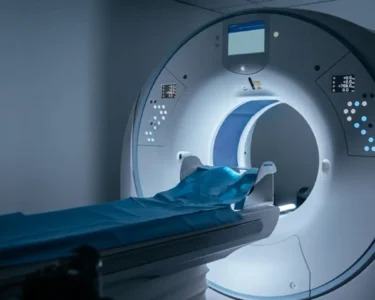
Patients with concurrent AATD and bronchiectasis experience worse health outcomes, including more frequent exacerbations, higher hospitalization rates, and accelerated decline in lung function (e.g., FEV1). Undiagnosed bronchiectasis leads to suboptimal treatment, as specific interventions like airway clearance techniques and long-term antibiotics are not initiated. High-resolution CT (HRCT) scans are imperative for accurate detection, yet they are not consistently performed in all AATD patients.
Dr. Elena Rossi, a leading researcher in the field, commented, “Our findings emphasize that bronchiectasis is a hidden but common comorbidity in AATD. Routine HRCT screening should be integrated into diagnostic protocols to unmask this burden and guide personalized management.”
Actionable Steps for Healthcare Providers
To bridge the diagnostic gap, clinicians should consider HRCT for all confirmed AATD cases, particularly those with persistent respiratory symptoms despite standard therapy. Patient education is equally important; individuals with AATD should be informed about bronchiectasis symptoms and encouraged to report them promptly. Multidisciplinary collaboration involving pulmonologists, radiologists, and primary care physicians can ensure comprehensive care.
Broader Implications and Future Research
The hidden prevalence of bronchiectasis in AATD has significant public health implications, including increased healthcare costs and reduced quality of life. Addressing this through early detection and targeted treatment could mitigate these effects. Future studies should investigate genetic and environmental factors that predispose AATD patients to bronchiectasis and evaluate the long-term benefits of HRCT-based screening programs.
In conclusion, the European Medical Journal’s report serves as a critical alert: alpha-1 antitrypsin deficiency carries a covert risk of bronchiectasis that demands greater clinical attention. By enhancing diagnostic vigilance and adopting tailored management strategies, the medical community can significantly improve outcomes for this vulnerable population.
Image Source: Google | Image Credit: Respective Owner