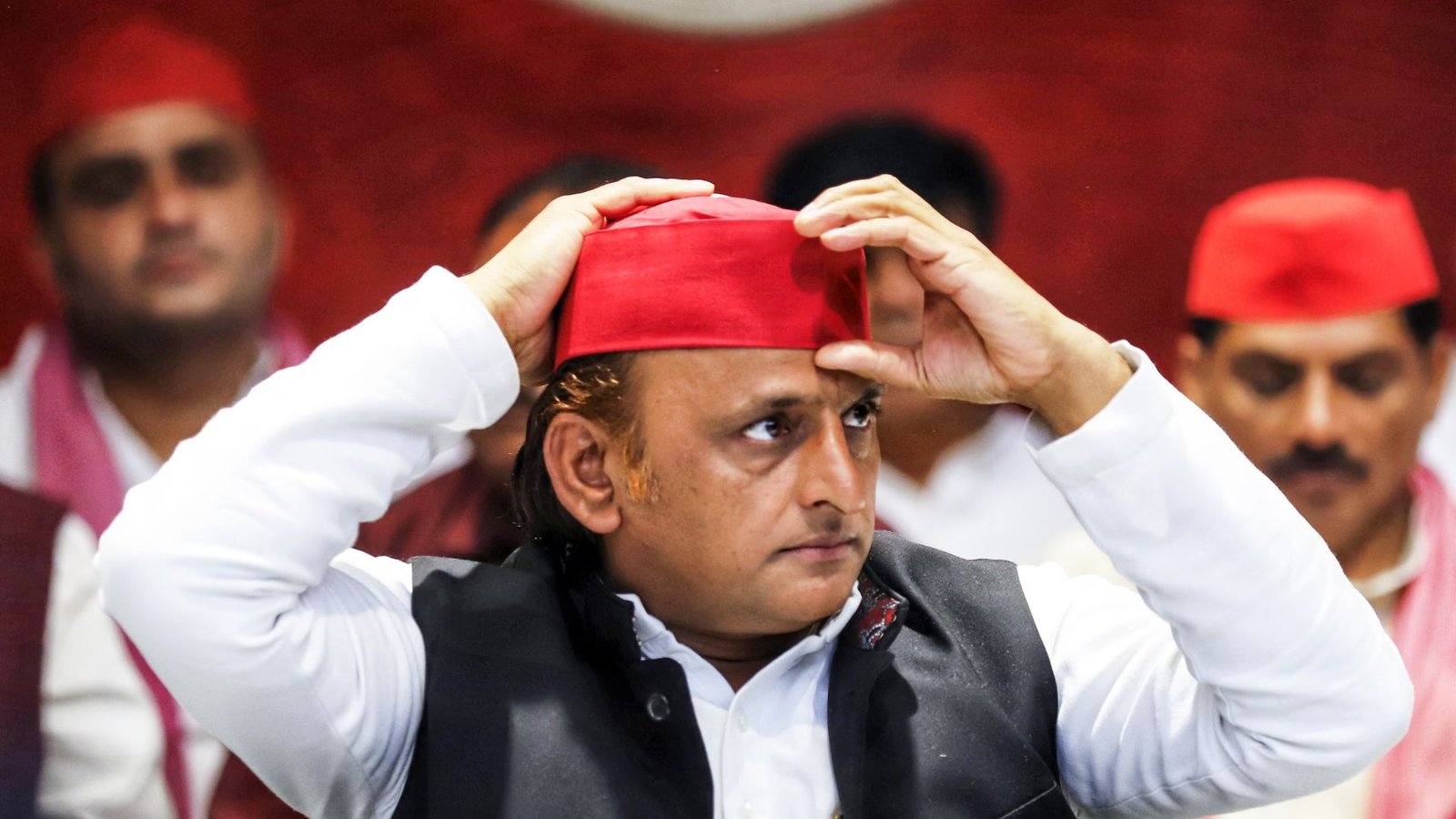
Samajwadi Party (SP) President and former Uttar Pradesh Chief Minister Akhilesh Yadav’s official Facebook account was temporarily suspended, triggering widespread reactions and raising questions about social media censorship and political expression. The suspension occurred amidst heightened political activity in Uttar Pradesh and sparked immediate outrage from SP leaders and supporters.
Initial Suspension Details
The exact reasons for the suspension were initially unclear, leading to speculation about potential violations of Facebook’s community standards or a targeted campaign to silence a prominent political voice. Facebook’s parent company, Meta, has faced criticism in the past regarding its content moderation policies and their impact on political discourse, particularly in countries with diverse political landscapes like India. The incident occurred during a period of increased scrutiny on social media platforms and their role in shaping public opinion and influencing electoral outcomes.
According to sources within the Samajwadi Party, the suspension lasted for a few hours, during which time Yadav’s team sought clarification from Facebook officials. The timing of the suspension was particularly sensitive, coinciding with ongoing political rallies and campaigns leading up to local elections. The party viewed the suspension as a deliberate attempt to stifle Yadav’s ability to communicate with his followers and disseminate his political message.
Facebook’s Explanation and Account Restoration
Later, Facebook clarified that the suspension was due to a technical glitch and that the account was promptly restored after the issue was identified. The company issued a statement expressing regret for any inconvenience caused and reaffirmed its commitment to maintaining a neutral platform for political expression. However, skepticism persisted among SP leaders, who questioned the timing and circumstances of the suspension.
The incident underscores the complex relationship between social media platforms and political actors, particularly in the context of elections and political campaigns. While social media provides a powerful tool for politicians to connect with voters and mobilize support, it also raises concerns about misinformation, hate speech, and censorship. The incident involving Akhilesh Yadav’s Facebook account highlights the need for greater transparency and accountability in the content moderation policies of social media companies.
Following the restoration of his account, Akhilesh Yadav criticized Facebook’s handling of the situation and called for greater scrutiny of social media platforms’ influence on political discourse. He emphasized the importance of protecting freedom of expression and ensuring that social media platforms do not become tools for political manipulation. The incident is likely to fuel further debate about the role of social media in Indian politics and the need for regulatory frameworks to govern their operations.
The SP is now considering further actions to ensure such incidents do not recur, including engaging with Facebook officials to establish clear communication channels and seeking legal recourse if necessary. The incident serves as a reminder of the power and responsibility that social media platforms wield in shaping public opinion and influencing political processes. It also underscores the importance of vigilance in safeguarding freedom of expression and preventing censorship in the digital age.
Image Source: Google | Image Credit: Respective Owner