The aviation industry could be on the cusp of a significant shift as both Airbus and Boeing are reportedly evaluating the potential launch of new commercial aircraft programs by 2027. This potential move comes amidst growing demand for air travel and a need to address evolving environmental concerns, particularly regarding fuel efficiency and emissions.
According to sources cited by Aviation A2Z, the primary focus of these potential new programs centers around replacing aging single-aisle aircraft, such as the Airbus A320neo family and the Boeing 737 MAX. The current generation of these narrow-body planes dominates short- and medium-haul routes globally, but airlines are increasingly looking towards more modern and sustainable options.
Potential Aircraft Designs
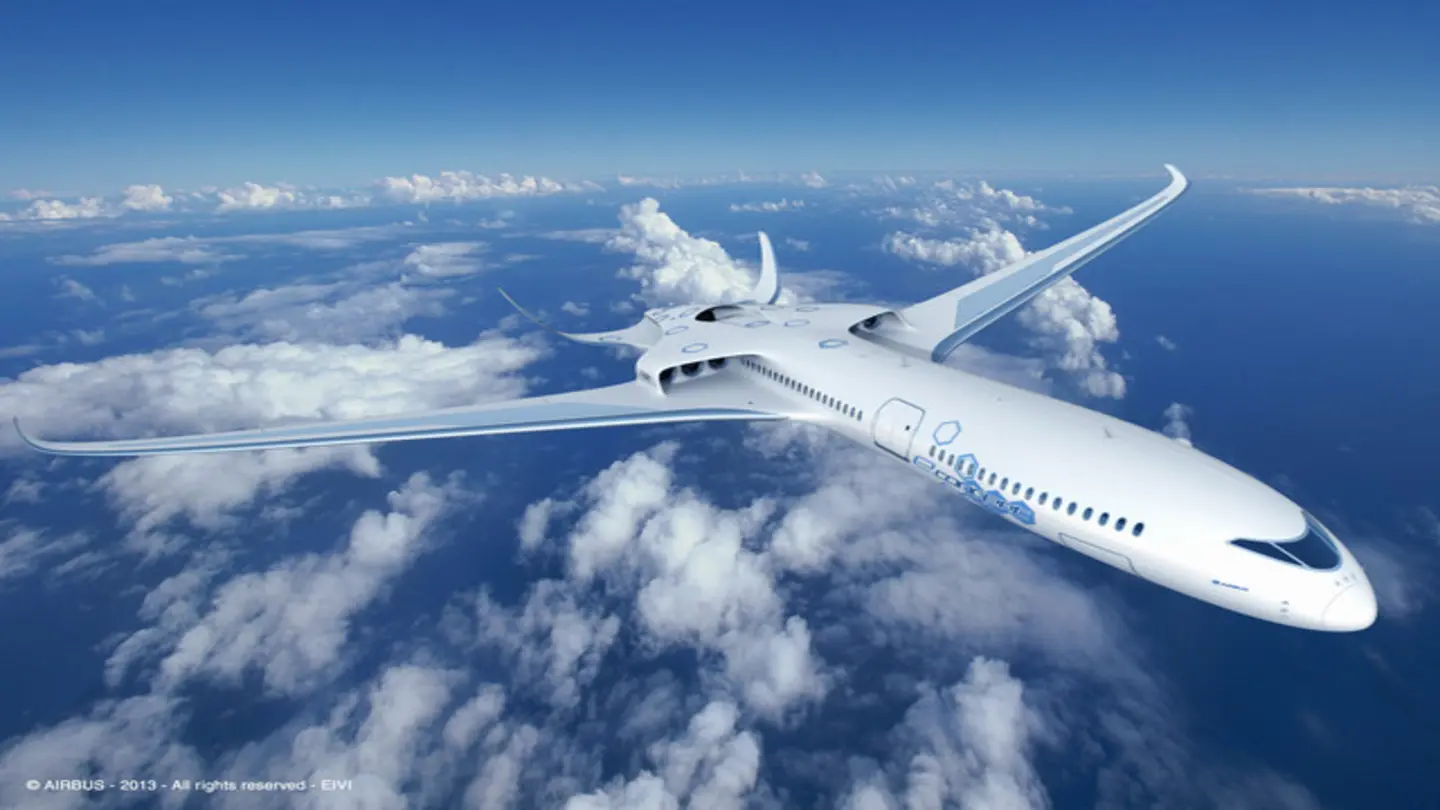
While specific details remain scarce, industry analysts suggest several potential avenues for both manufacturers. These include exploring new engine technologies, such as hydrogen or sustainable aviation fuel (SAF) powered engines, and incorporating advanced aerodynamic designs to reduce drag and improve fuel burn. A key consideration is the development of aircraft capable of operating on 100% SAF, a crucial step towards decarbonizing the aviation sector.
Airbus has been publicly more vocal about its exploration of a future aircraft, tentatively dubbed the “Future Air Smarter Transport” (FAST) program, potentially entering service in 2035. However, the pressure to respond to market demands and Boeing’s potential moves could accelerate their timeline. Boeing, on the other hand, has been relatively quiet, focusing on resolving issues with the 737 MAX and ramping up production. A new aircraft program would represent a significant strategic shift for the American manufacturer.
The decision to launch a new aircraft program is a massive undertaking, requiring billions of dollars in investment and years of development. Both Airbus and Boeing will need to carefully assess market conditions, technological feasibility, and potential return on investment before committing to such a project. Factors such as the global economic outlook, geopolitical stability, and the pace of SAF adoption will all play a crucial role in their calculations.
The competitive landscape is also a key driver. If one manufacturer announces a new program, the other is likely to feel compelled to respond, potentially leading to a race to develop the next generation of commercial aircraft. This competition could ultimately benefit airlines and passengers through lower fares and more efficient travel options.
Beyond the major manufacturers, companies like Embraer are also exploring new technologies and aircraft designs. The potential for disruption in the commercial aviation market is high, and the next few years are likely to be pivotal in shaping the future of air travel. The 2027 timeframe, while ambitious, is increasingly seen as a realistic target for initial program launches, setting the stage for a new era of aircraft innovation.
Ultimately, the launch of new aircraft programs by Airbus and Boeing will depend on a complex interplay of factors, but the industry consensus is that change is coming, and it’s coming soon.
Image Source: Google | Image Credit: Respective Owner