Researchers have developed an innovative air quality monitoring system that leverages artificial intelligence (AI) to classify incense smoke using low-cost ESP32 microcontrollers and BME280 environmental sensors. This novel approach offers a potentially affordable and accessible solution for real-time air quality assessment, particularly in environments where incense burning is prevalent.
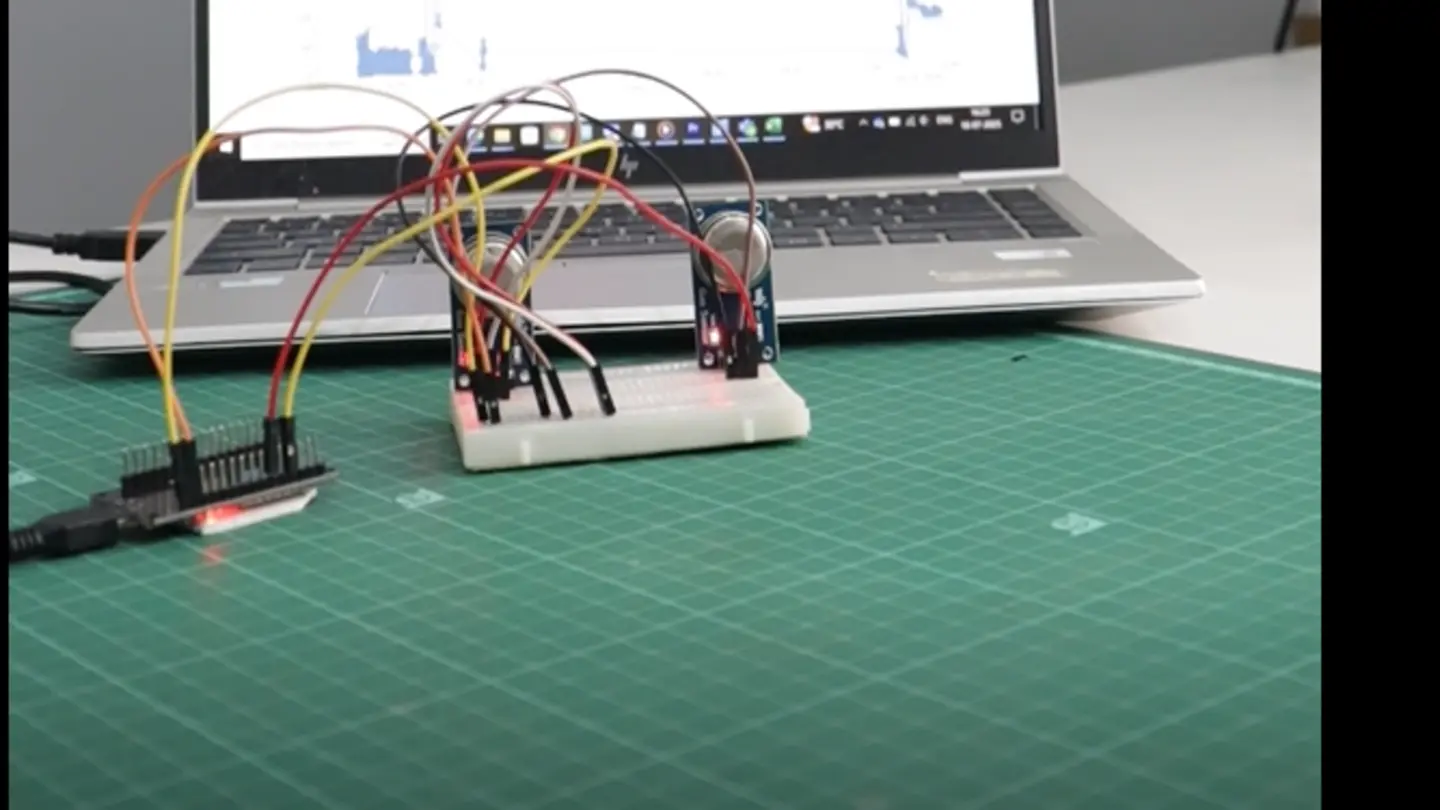
The system integrates the BME280 sensor, which measures temperature, humidity, and barometric pressure, along with the ESP32 microcontroller, which provides the processing power and network connectivity. Data collected by the sensor is fed into an AI model, specifically trained to identify and classify incense smoke based on its unique characteristics. The results of this analysis are then transmitted wirelessly, allowing for remote monitoring and data logging.
System Design and Implementation
The design incorporates several key components working in tandem. The BME280 sensor provides environmental data, while the ESP32 handles data acquisition, processing, and transmission. An AI algorithm, likely a machine learning model trained on a dataset of air quality readings in the presence and absence of incense smoke, analyzes the sensor data. This AI component is the core of the system, enabling it to differentiate between incense smoke and other potential air pollutants. The entire system is designed to be compact, energy-efficient, and easily deployable in various settings.
The use of the ESP32 platform allows for integration with existing IoT infrastructure. The system can be easily connected to Wi-Fi networks, enabling real-time data transmission to cloud-based platforms for analysis and visualization. This connectivity also facilitates remote monitoring and control of the system, allowing users to access air quality data from anywhere in the world.
Potential Applications
The AI-powered air quality monitoring system has a wide range of potential applications, particularly in environments where incense burning is common, such as temples, homes, and religious institutions. By providing real-time data on incense smoke levels, the system can help to raise awareness of potential health risks and inform decisions about ventilation and air purification strategies. The system could also be used in industrial settings where monitoring air quality is crucial for worker safety and environmental compliance. Furthermore, the system’s affordability makes it accessible to individuals and communities who may not have access to more expensive air quality monitoring solutions.
The success of this research highlights the potential of AI and IoT technologies to address real-world environmental challenges. By combining low-cost sensors, microcontrollers, and sophisticated machine learning algorithms, researchers can create innovative solutions that improve air quality monitoring and protect public health. The open-source nature of the ESP32 platform and the availability of pre-trained AI models further democratize this technology, making it accessible to researchers, developers, and citizen scientists alike.
Image Source: Google | Image Credit: Respective Owner