Researchers have developed a novel neural network approach called Physics-Constrained Neural Reservoirs (PCNR) to model and predict spatially distributed flow dynamics in complex systems. This innovative method offers a potentially powerful alternative to traditional, physically-based hydrological models, addressing limitations in their ability to capture intricate real-world behavior.
Traditional hydrological models rely on a comprehensive understanding of physical laws governing water movement, such as fluid dynamics and thermodynamics. However, these models can be computationally expensive, difficult to parameterize accurately, and struggle to handle data scarcity. PCNR offers a data-driven solution, learning complex flow patterns directly from observational data. The ‘physics-constrained’ aspect ensures the learned model remains grounded in fundamental physical principles, improving its reliability and generalizability.
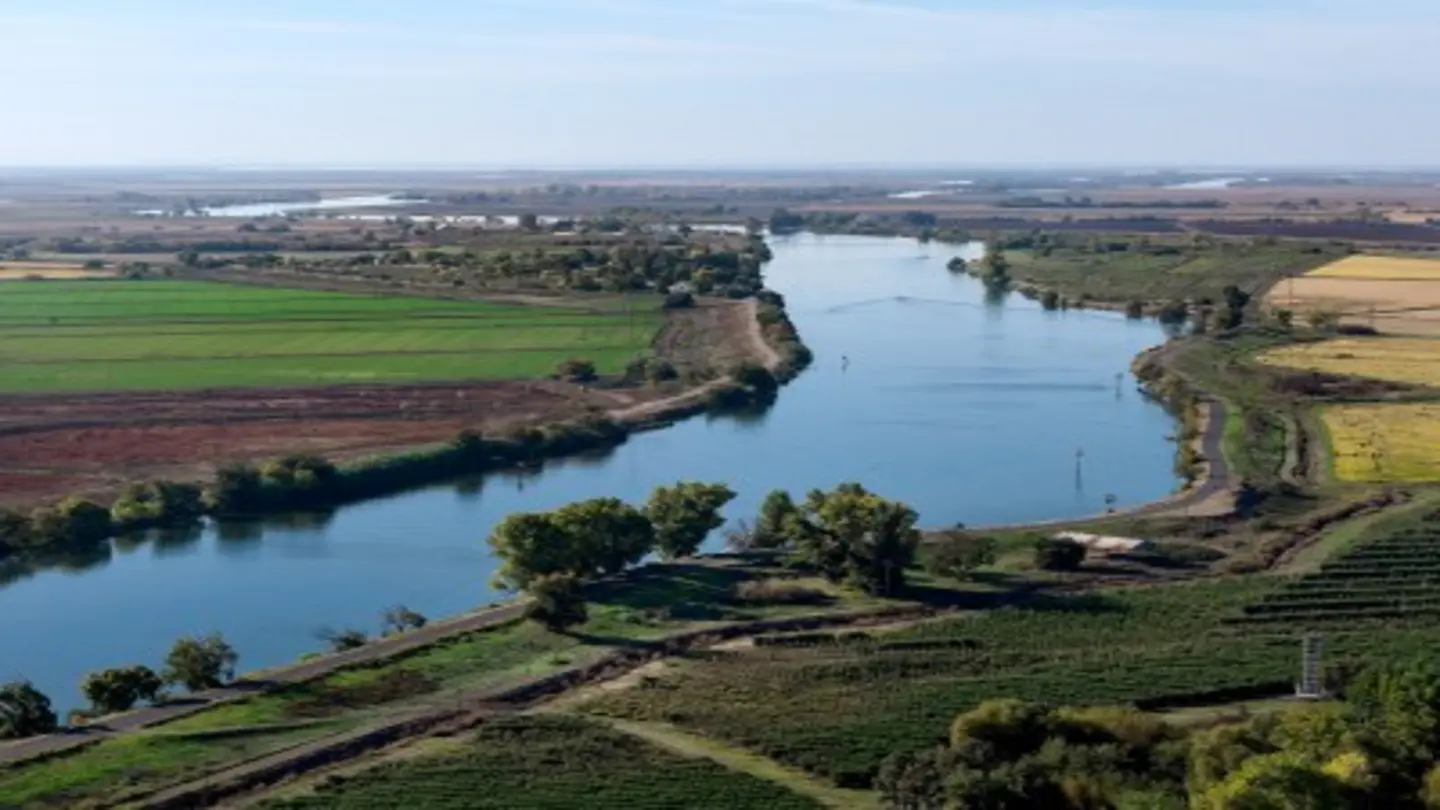
The research focuses on reservoir systems, where accurately predicting water flow is crucial for water resource management, flood control, and hydropower generation. The PCNR model incorporates physics-based constraints, ensuring the learned flow patterns adhere to conservation laws and other fundamental principles. This integration of physics and data enables the model to extrapolate beyond the observed data, making more accurate predictions in previously unseen scenarios.
Key Findings and Benefits
The study demonstrates that PCNR can achieve comparable, and in some cases superior, performance to conventional hydrological models in predicting water flow. Moreover, it can handle noisy and incomplete data more effectively. A significant advantage is the reduced computational cost associated with training and deploying the neural network compared to complex physical simulations. This is especially beneficial for real-time applications and large-scale watershed modeling.
The researchers utilized a variety of real-world datasets from different reservoir systems to train and validate the PCNR model. Their results highlight the model’s versatility and robustness across diverse hydrological landscapes. They also developed methods for effectively incorporating physical constraints into the neural network architecture, ensuring that the learned representations are physically meaningful.
The implications of this work extend beyond reservoir modeling. The PCNR approach could be applied to other complex systems involving fluid dynamics and spatial data, such as groundwater flow, atmospheric circulation, and even ocean currents. Future research will focus on refining the PCNR model, expanding its applicability, and developing user-friendly tools for implementing it in practical applications. The goal is to create a powerful and adaptable tool for improving our understanding and prediction of water flow dynamics, ultimately contributing to more sustainable water resource management.
Image Source: Google | Image Credit: Respective Owner