Researchers have developed a novel artificial intelligence (AI) technique to significantly enhance the accuracy of monitoring ground deformation using Interferometric Synthetic Aperture Radar (InSAR) data. The method, detailed in an ESS Open Archive publication titled ‘Denoising of InSAR time series through spatiotemporal attentive convolutional U-Net,’ addresses a persistent challenge in InSAR analysis: noise and artifacts that can obscure subtle ground movements.
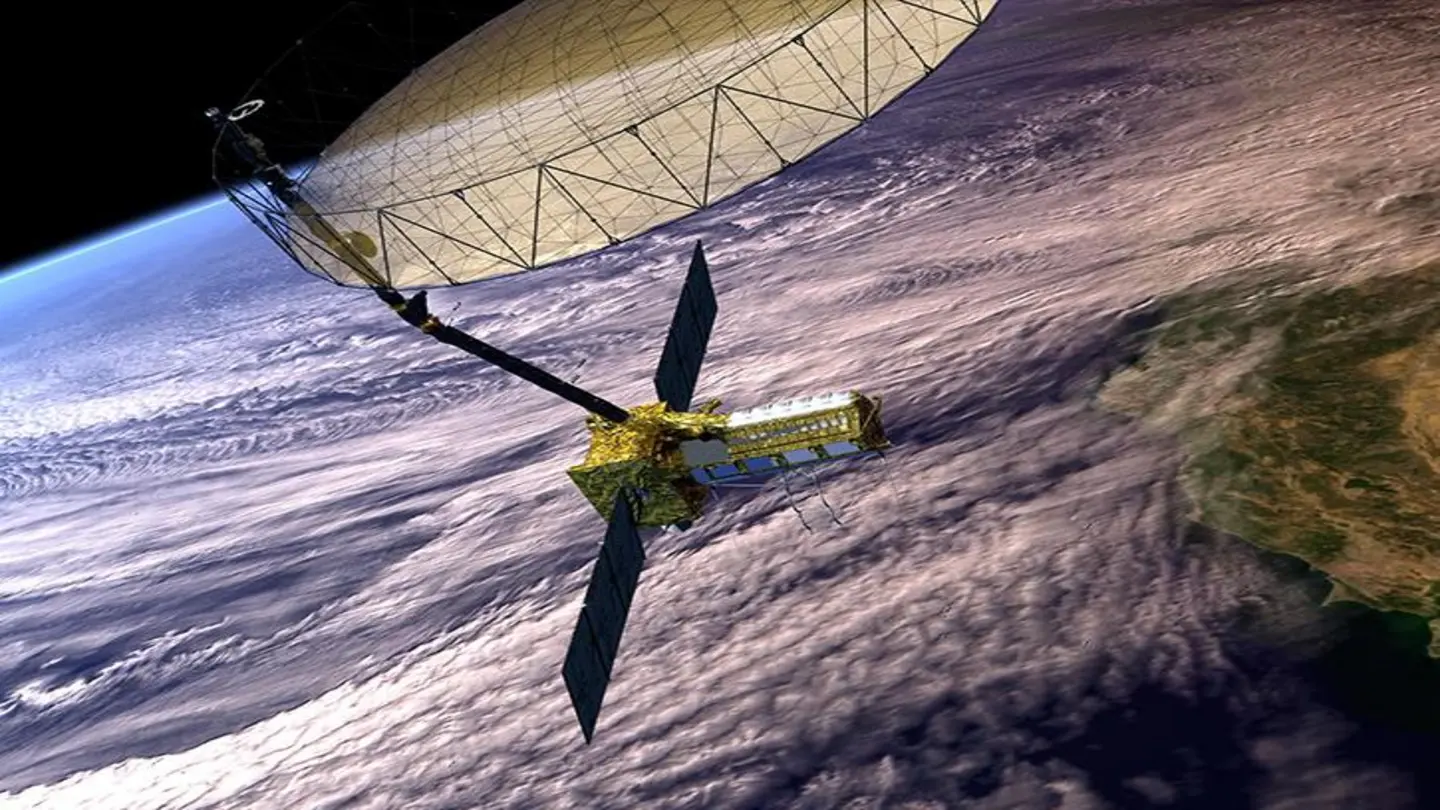
InSAR technology utilizes radar signals to create detailed 3D maps of the Earth’s surface by analyzing the phase differences between radar images acquired at different times. While incredibly powerful, InSAR data is often plagued by atmospheric interference, geometric distortions, and other noise sources, which can make it difficult to accurately detect and measure ground deformation caused by events like earthquakes, landslides, or volcanic activity. Existing denoising methods have often struggled to effectively remove these artifacts without also blurring important ground movement signals.
The New Approach: Spatiotemporal Attention
The newly developed AI model employs a spatiotemporal attentive convolutional U-Net architecture. This innovative approach combines spatial and temporal information to better understand the underlying patterns of ground deformation. Specifically, the ‘attentive’ component allows the model to focus on the most relevant areas of the InSAR data, effectively suppressing noise in less informative regions. The ‘spatiotemporal’ aspect ensures that the model considers both the spatial distribution of deformation and its temporal evolution – how the deformation changes over time – providing a more complete picture.
The researchers trained the model on a large dataset of InSAR time series, allowing it to learn the complex relationships between noise and ground deformation. The results demonstrate a substantial improvement in the quality of the denoised data compared to traditional methods. The model effectively removes speckle noise and other artifacts, revealing subtle ground movements that were previously obscured. This enhanced clarity is crucial for accurate monitoring of geological hazards and infrastructure stability.
The potential applications of this technology are wide-ranging. It could be used to improve earthquake early warning systems, monitor the stability of dams and bridges, track the movement of glaciers, and assess the impact of land subsidence. Furthermore, the AI-driven denoising process offers the potential for automating InSAR analysis, making it more accessible to a wider range of users and facilitating faster response times in critical situations. The research highlights the growing role of AI in advancing Earth observation and improving our understanding of the planet’s dynamic processes.
Image Source: Google | Image Credit: Respective Owner