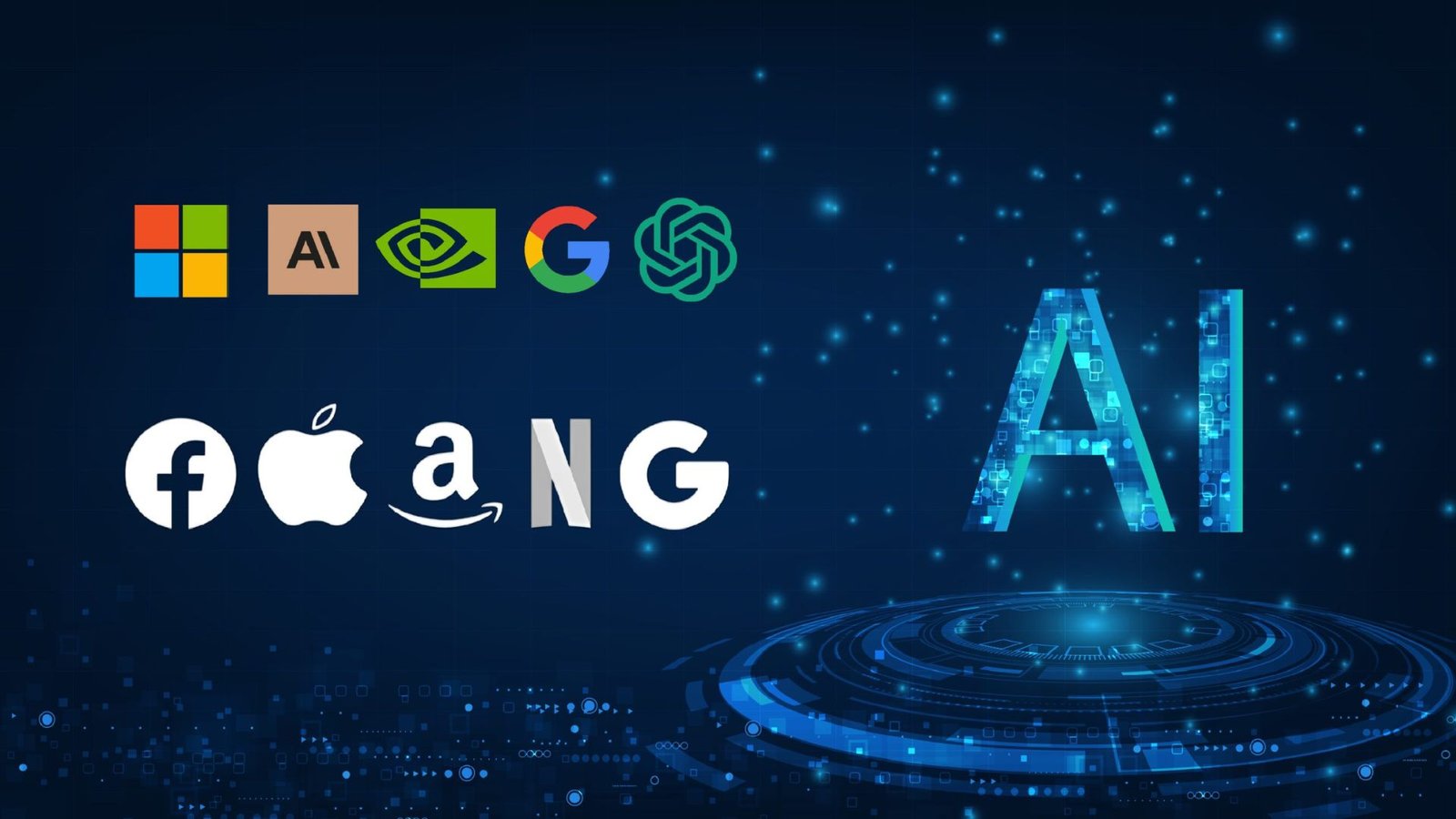
The landscape of US technology has undergone a seismic shift, marked by the ascendance of artificial intelligence and a reshuffling of the dominant players. Once defined by the FAANG companies (Facebook/Meta, Apple, Amazon, Netflix, Google), the industry is now witnessing the rise of what some are calling the MANGO group: Microsoft, Apple, Nvidia, Google, and OpenAI. This transition reflects the growing importance of AI in driving innovation and shaping the future of technology.
The Rise of AI
AI has moved from a futuristic concept to a core component of numerous applications and services. Companies are investing heavily in AI research and development, seeking to leverage its potential to improve existing products, create new ones, and gain a competitive edge. The MANGO companies are at the forefront of this AI revolution.
Microsoft’s partnership with OpenAI has been particularly transformative. By integrating OpenAI’s powerful language models into its products, such as Bing and Office, Microsoft is challenging Google’s dominance in search and productivity software. Nvidia, a leading manufacturer of GPUs, has become a crucial enabler of AI, as its chips are essential for training and deploying AI models.
Apple continues to integrate AI into its devices and services, enhancing user experience and creating new features. Google, while facing increased competition, remains a major player in AI research and development, with its AI technologies powering various products, including search, Android, and cloud services. OpenAI, though not a publicly traded company, is arguably one of the most influential entities in the AI space, with its models like GPT-3 and DALL-E pushing the boundaries of what is possible with AI.
The shift towards AI has implications for various sectors, including healthcare, finance, transportation, and manufacturing. AI-powered tools are being used to diagnose diseases, automate tasks, personalize customer experiences, and improve efficiency. However, the rise of AI also raises ethical concerns, such as bias, job displacement, and the potential for misuse. These concerns are prompting discussions about the need for regulations and guidelines to ensure that AI is developed and used responsibly.
The ongoing AI race is expected to intensify in the coming years, with companies vying for talent, resources, and market share. The future of US tech will likely be shaped by those who can effectively harness the power of AI to create innovative solutions and address pressing challenges.
As AI continues to evolve, the composition of the dominant players in the US tech industry may change further. The FAANG companies may need to adapt and embrace AI to maintain their relevance, while new companies specializing in AI may emerge and challenge the existing order. The transition from FAANG to MANGO is not just a change in acronyms but a reflection of a fundamental shift in the technological landscape.
Image Source: Google | Image Credit: Respective Owner