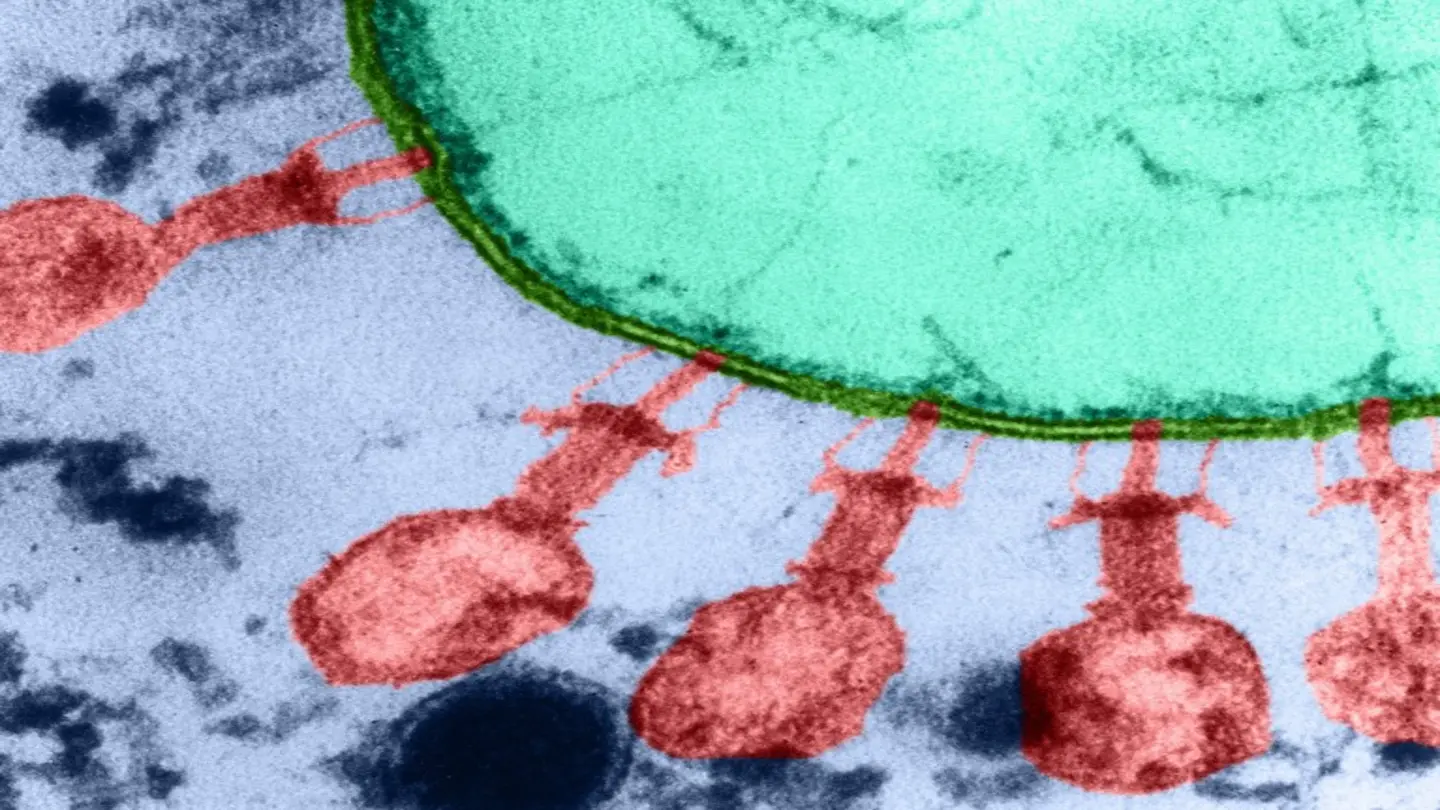
Researchers have successfully employed artificial intelligence to design and synthesize entirely new bacteriophages – viruses that infect bacteria – from scratch. This groundbreaking achievement, detailed in a recent study, demonstrates the potential of AI in creating customized biological tools, but simultaneously raises significant biosecurity concerns.
The team, led by scientists at the University of California, San Diego, utilized a machine learning model to predict the genetic sequences necessary for building functional bacteriophages. Unlike traditional methods that involve modifying existing viruses, this approach allows for the creation of phages with entirely novel structures and targeting capabilities. The AI was trained on a vast dataset of known phage genomes and protein structures, enabling it to identify patterns and predict successful designs.
The synthesized phages, dubbed “synPhages,” were designed to infect E. coli bacteria. Crucially, the researchers were able to create phages that were structurally distinct from any previously observed in nature. This success validates the AI’s predictive power and opens doors to designing phages with specific characteristics, such as enhanced infectivity or the ability to overcome bacterial resistance.
Bacteriophages hold immense promise in various applications. They are being explored as alternatives to antibiotics in combating antibiotic-resistant bacteria, a growing global health threat. Phage therapy, the use of bacteriophages to treat bacterial infections, is gaining traction as a potential solution. Furthermore, phages are valuable tools in biotechnology, used for diagnostics, food safety, and even targeted drug delivery.
Biosecurity Implications
However, the ability to design and create phages from scratch also presents a dual-use dilemma. The same technology that could be used to develop life-saving therapies could potentially be misused to engineer harmful pathogens. A maliciously designed phage could target beneficial bacteria, disrupt ecosystems, or even be engineered to carry harmful genes.
“This work highlights the increasing accessibility of synthetic biology tools and the need for proactive biosecurity measures,” explains Dr. Stephanie Barnes, a bioethicist not involved in the study. “While the potential benefits of AI-designed phages are substantial, we must also address the risks associated with their misuse.”
The researchers acknowledge these concerns and emphasize the importance of responsible innovation. They have incorporated safety features into their design process, such as limiting the phages’ ability to evolve and spread. They also advocate for increased transparency and collaboration within the scientific community to develop robust biosecurity protocols.
The study’s findings underscore the need for ongoing dialogue between scientists, policymakers, and security experts to navigate the ethical and practical challenges posed by advancements in synthetic biology. Developing effective safeguards will be crucial to ensuring that this powerful technology is used for the benefit of humanity, rather than posing a threat to global health and security. Further research will focus on refining the AI algorithms and exploring the design of phages with even more complex functionalities, all while prioritizing biosecurity considerations.
The team believes that with careful planning and responsible implementation, the benefits of AI-designed bacteriophages can be realized while mitigating the associated risks. This breakthrough represents a significant step forward in our ability to harness the power of biology, but it also serves as a stark reminder of the importance of foresight and ethical responsibility in scientific innovation.
Image Source: Google | Image Credit: Respective Owner