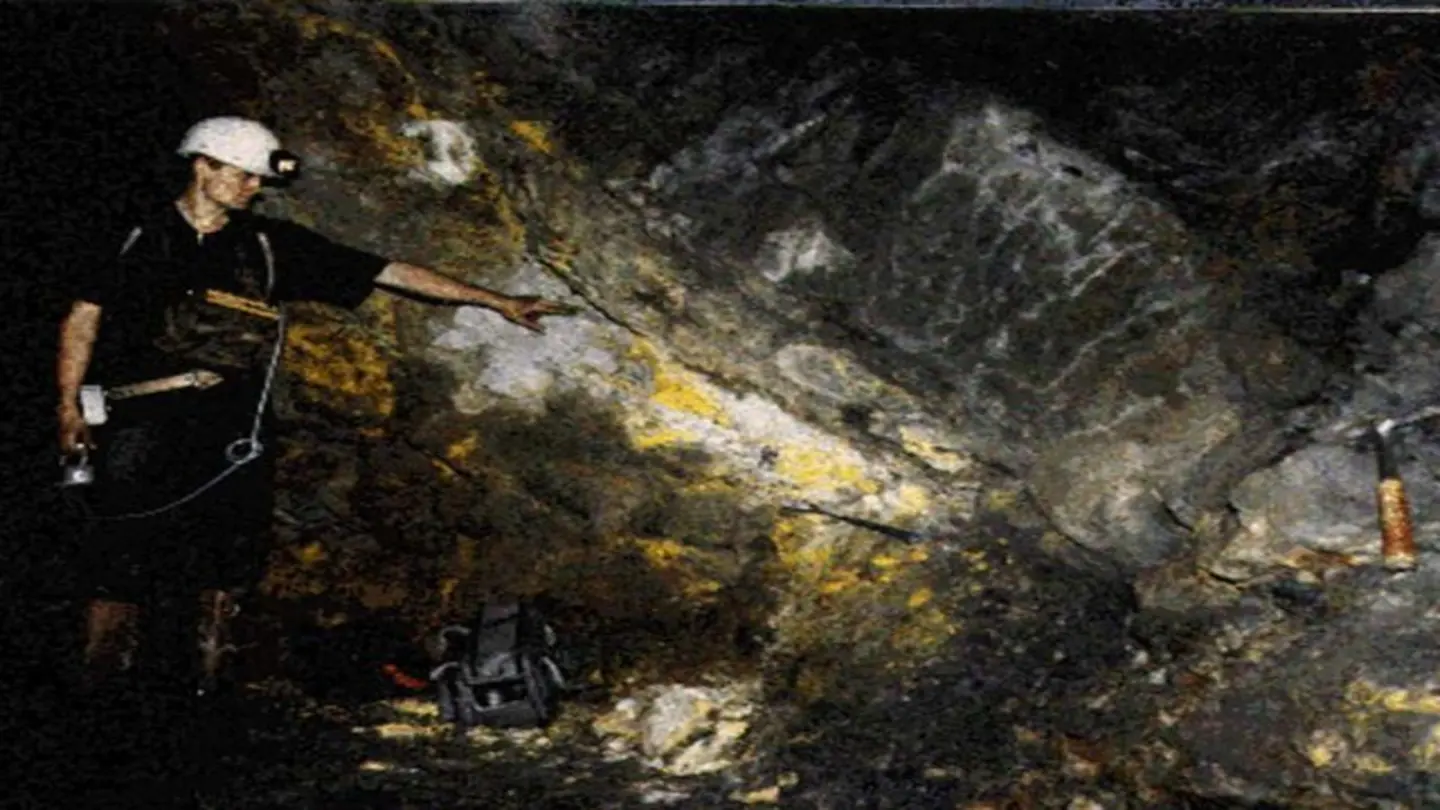
In the heart of Africa, a remarkable discovery challenges our understanding of natural processes: a 2-billion-year-old nuclear reactor. Located in Oklo, Gabon, this prehistoric nuclear fission reactor predates human existence by an immense span of time, offering invaluable insights into the Earth’s geological history and the conditions necessary for nuclear reactions to occur naturally.
Discovery and Geological Context
The Oklo natural nuclear reactor was first identified in 1972 by French physicist Francis Perrin. While analyzing uranium ore samples from the Oklo mine, Perrin and his team noticed an anomaly: the uranium-235 isotope was present in significantly lower concentrations than expected. This depletion strongly suggested that the uranium had undergone nuclear fission, leading to the groundbreaking realization that a natural nuclear reactor had once operated in this location.
The geological conditions at Oklo were uniquely conducive to sustaining a nuclear reaction. Approximately 2 billion years ago, the uranium ore deposit was rich enough in uranium-235 to initiate and maintain fission. Groundwater acted as a neutron moderator, slowing down neutrons to enable them to be captured by uranium nuclei, thus sustaining the chain reaction. The surrounding clay minerals helped to confine the radioactive waste produced by the reactor, preventing it from spreading into the environment.
How the Reactor Worked
The Oklo natural nuclear reactor operated intermittently for hundreds of thousands of years. During periods of activity, nuclear fission would occur within the uranium ore, releasing heat and producing various radioactive byproducts. The heat would cause the groundwater to boil away, effectively shutting down the reaction. As the reactor cooled, water would seep back into the ore, restarting the fission process. This natural cycle of activation and deactivation continued until the uranium-235 was sufficiently depleted to halt the reactions permanently.
Researchers have identified at least 16 distinct reactor zones within the Oklo deposit, each varying in size and duration of activity. These zones provide a detailed record of the conditions under which natural nuclear fission can occur and the long-term fate of nuclear waste products.
Implications and Lessons Learned
The discovery of the Oklo natural nuclear reactor has had profound implications for our understanding of nuclear physics, geochemistry, and nuclear waste management. It demonstrates that nuclear fission can occur naturally under specific geological conditions, providing a unique opportunity to study the behavior of nuclear materials over immense timescales.
The Oklo reactor has also served as a natural laboratory for studying the migration of radioactive elements in the environment. Scientists have found that many of the fission products remained relatively immobile within the clay minerals surrounding the reactor zones, offering valuable insights into the long-term storage of nuclear waste. This natural experiment has informed the design and safety assessment of engineered nuclear waste repositories around the world, helping to ensure the safe and secure disposal of radioactive materials.
The Oklo natural nuclear reactor stands as a testament to the power and complexity of natural processes, offering a glimpse into the Earth’s deep past and providing invaluable lessons for the future of nuclear technology and waste management.
Image Source: Google | Image Credit: Respective Owner