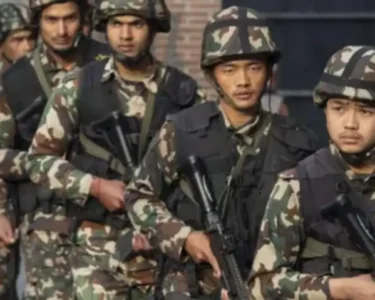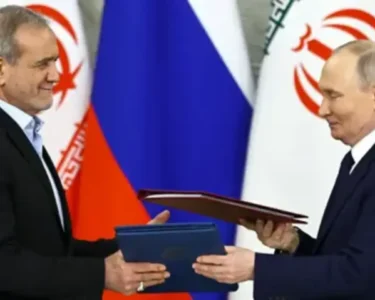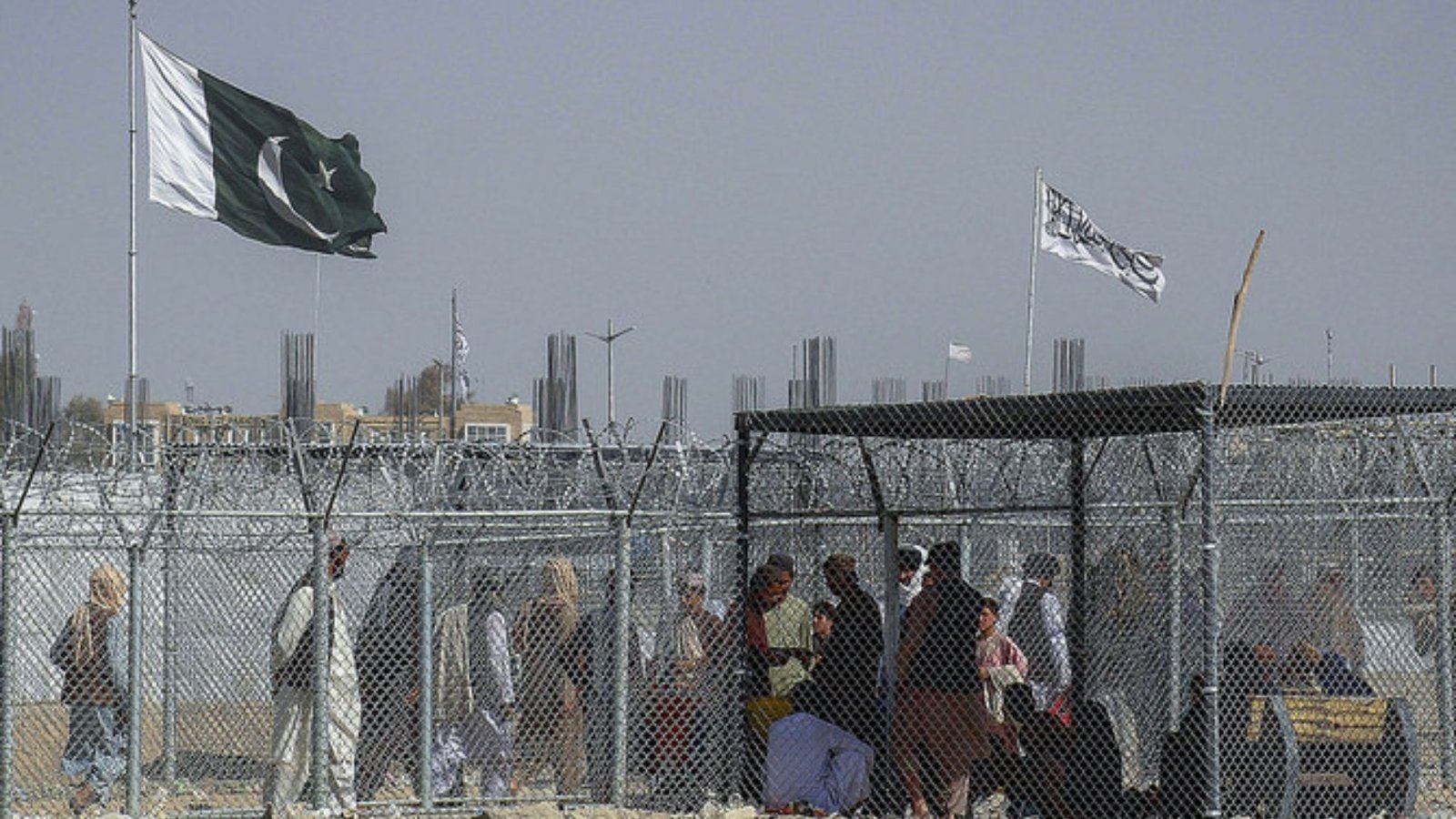
Tensions between Afghanistan and Pakistan are escalating, prompting a US analyst to shed light on the underlying dynamics fueling the conflict. The deteriorating relationship is marked by frequent border clashes and mutual accusations, raising concerns about regional stability. The analyst’s insights point to deeply rooted issues that hinder any prospect of reconciliation.
Historical Context and Mistrust
One of the fundamental truths highlighted is the historical context of mistrust between the two nations. Afghanistan has long accused Pakistan of supporting the Taliban and interfering in its internal affairs. This perception has fostered a deep sense of animosity, making it difficult to establish a relationship based on mutual respect and cooperation. Pakistan, on the other hand, accuses Afghanistan of harboring terrorists who launch attacks across the border, further exacerbating the situation.
Border Disputes and Security Concerns
Another critical factor is the disputed border between Afghanistan and Pakistan, known as the Durand Line. This issue has been a source of contention since Pakistan’s independence in 1947. Afghanistan has never officially recognized the Durand Line as an international border, leading to frequent disputes and border skirmishes. The porous nature of the border also allows for the easy movement of militants and smugglers, further complicating security efforts.
Economic and Geopolitical Factors
The economic and geopolitical landscape also plays a significant role in the unraveling of Afghanistan-Pakistan ties. Both countries are facing economic challenges and rely heavily on foreign aid. Competition for resources and influence in the region has added another layer of complexity to their relationship. The involvement of external actors, such as the United States and China, further complicates the situation, as each country seeks to advance its own interests in the region.
Prospects for Resolution
Given the deep-seated issues at play, the prospects for a quick resolution to the conflict between Afghanistan and Pakistan appear slim. Building trust and addressing historical grievances will require a sustained and concerted effort from both sides. The international community can play a role in facilitating dialogue and promoting cooperation, but ultimately, it is up to Afghanistan and Pakistan to find a way to overcome their differences and build a more peaceful and stable future. This includes addressing the cross-border terrorism concerns, the legitimacy and management of the Durand Line, and working towards mutually beneficial economic cooperation to stabilize the region. Without these steps, the current downward trend will likely continue, further destabilizing the region and hindering any prospect of lasting peace.
Image Source: Google | Image Credit: Respective Owner