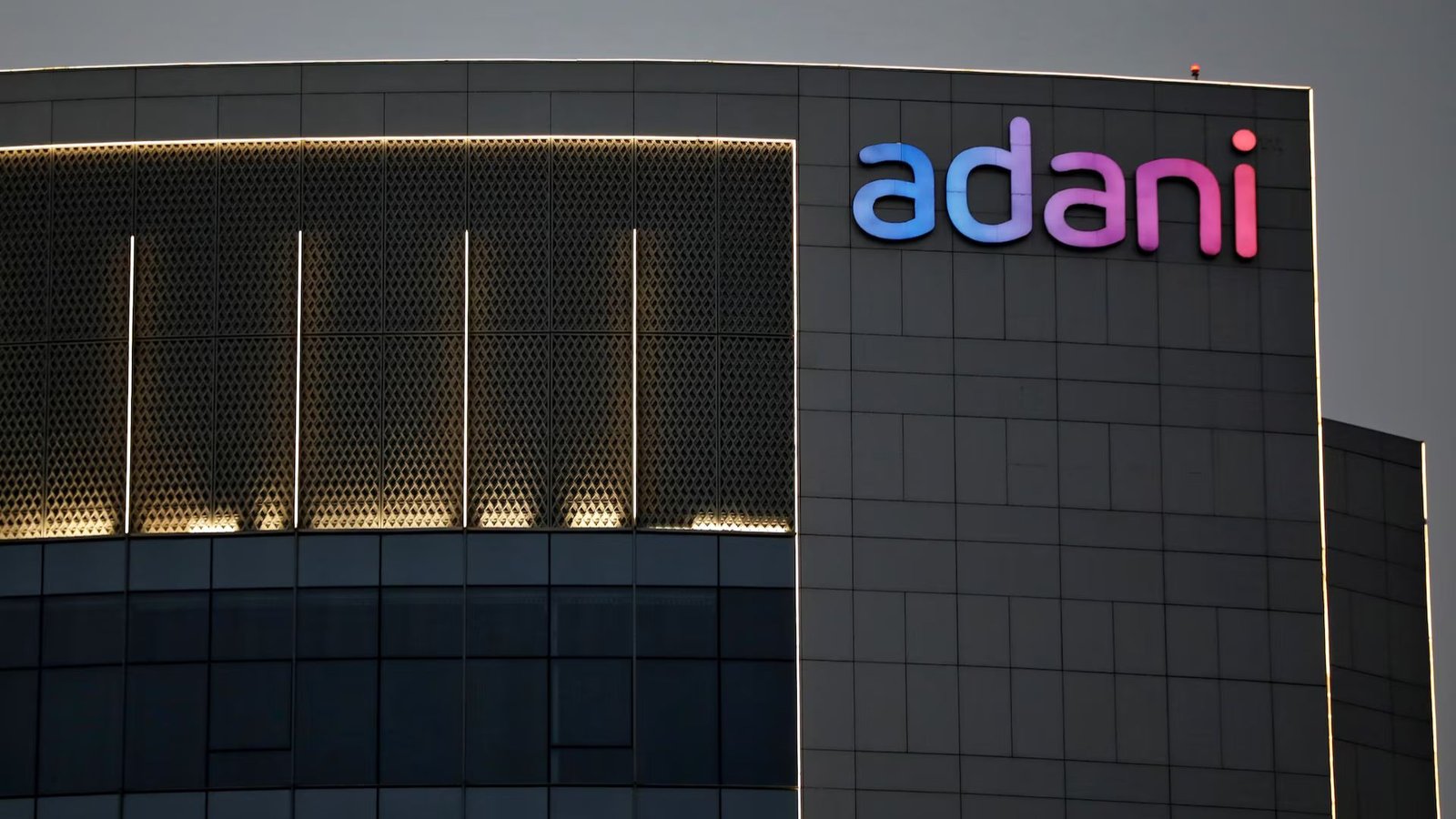
Adani Power, India’s largest private thermal power producer with over 12,000 MW capacity, announced a landmark entry into the nuclear energy sector by establishing a new atomic power unit. The conglomerate’s flagship utility, which also operates 8 gigawatts of solar and wind farms, revealed the strategic move in a press briefing on Thursday. This diversification aligns with Adani Group’s commitment to becoming a global clean energy leader, as outlined in its $100 billion green investment blueprint.
Strategic Rationale
India’s electricity demand is projected to grow at 5-6% annually, necessitating a balanced energy mix to avoid coal shortages. Nuclear energy, providing stable baseload power without emissions, is critical to this transition. Adani Power’s CEO Prashant K. Jain stated, “Our atomic unit will complement renewables, ensuring grid reliability while advancing decarbonization. This venture positions us to meet India’s 50% clean energy target by 2030.”
The company will invest ₹50,000 crore ($6.5 billion) in the project, targeting commissioning by 2032. Adani Power is in talks with France’s EDF and Canada’s Candu Energy for reactor technology, while exploring domestic partnerships with DAE for uranium supply. This approach aims to secure the most cost-effective and reliable technology stack.
Policy Context in India
India’s nuclear sector, historically state-dominated, faces inefficiencies. Projects like Kudankulam and Jaitapur have endured decade-long delays due to regulatory bottlenecks. The 2023 Atomic Energy Act amendment permitting private investment addresses this by introducing market competition. The National Energy Plan now targets 20,000 MW nuclear capacity by 2031, up from 6,780 MW, to support energy security and reduce coal dependence.
Private entry could unlock $5-7 billion in potential investment, but challenges persist. Public skepticism remains high after Fukushima, and land acquisition—often stalled by tribal land rights issues—requires community-centric solutions. Adani Power plans to allocate 20% of construction jobs to local residents and invest in healthcare infrastructure to build trust.
Project Details and Risks
The atomic unit is likely a PHWR with 700-1,000 MW capacity. Adani Power is shortlisting Gujarat’s Kakrapar (near its thermal plant) and Andhra Pradesh’s Kovvada due to existing transmission lines. Uranium sourcing is critical: India imports 70% of its needs, primarily from Canada and Kazakhstan. Global supply chain volatility, including Canada’s potential export restrictions, threatens timeline stability.
Financing will involve green bonds and international lenders familiar with nuclear projects. Yet, nuclear’s reputation for cost overruns (e.g., Areva’s Flamanville plant at 3x budget) demands rigorous oversight. Adani Power has appointed former NPCIL executives to its project team to mitigate regulatory risks.
Broader Implications
Economically, the plant could generate 7-8 TWh annually, equivalent to powering 20 million households. It would displace coal capacity, reducing emissions by 2-3 million tonnes yearly and supporting India’s NDC commitment. The venture may also catalyze ancillary industries: uranium enrichment, fuel fabrication, and nuclear waste management.
For Adani Group, the nuclear move enhances ESG metrics, vital for green bond eligibility. Moody’s could upgrade Adani Power’s rating if the project demonstrates commercial viability. Nationally, private nuclear investment might attract $2-3 billion in FDI, boosting India’s technology capabilities.
Critics, however, warn that nuclear’s high capital costs ($5,000/kW vs. $1,000/kW for solar) make it uncompetitive without subsidies. Adani Power’s ability to leverage its low-cost thermal model (₹2-3/kWh) for nuclear remains unproven. The project’s success hinges on regulatory speed, community acceptance, and adherence to safety protocols.
As India balances its energy future, Adani Power’s atomic unit emerges as a bold experiment. Its outcome will influence whether nuclear energy becomes a cornerstone of private-led clean energy in the country or remains a state-managed niche.
Image Source: Google | Image Credit: Respective Owner