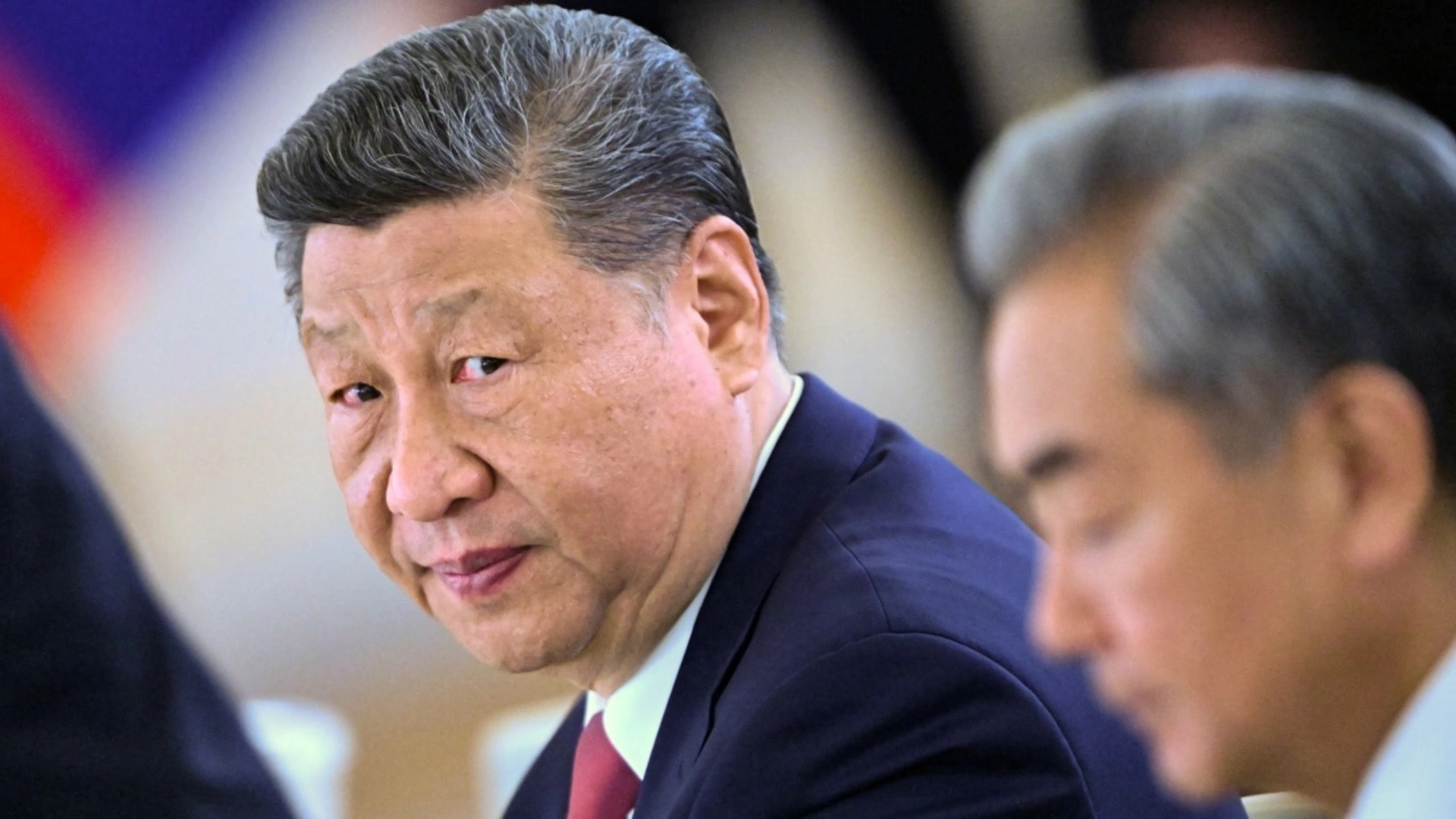
China has strongly criticized the push by former US President Donald Trump for NATO to impose sanctions on countries that continue to purchase Russian oil, arguing that such measures “only complicate” the already fraught geopolitical landscape. Beijing’s stance underscores the deepening divide between Western nations seeking to isolate Russia economically and countries like China, which maintain economic ties with Moscow.
The criticism comes as Western allies grapple with the challenge of balancing their commitment to supporting Ukraine with the economic realities of weaning themselves off Russian energy. Trump’s call for sanctions on Russian oil buyers reflects a hawkish approach aimed at maximizing pressure on Russia to end its invasion of Ukraine. However, China views such measures as counterproductive, arguing that they exacerbate global economic instability and hinder efforts to find a peaceful resolution to the conflict.
China’s Position on the Ukraine Conflict
China has consistently called for dialogue and negotiation to resolve the Ukraine crisis, while refraining from directly condemning Russia’s actions. Beijing has also criticized Western sanctions against Russia, arguing that they are unilateral and lack international legal basis. This position has drawn scrutiny from Western governments, who accuse China of tacitly supporting Russia and undermining international efforts to hold Moscow accountable.
Despite maintaining economic ties with Russia, China has also emphasized its commitment to international law and the principles of sovereignty and territorial integrity. Chinese officials have stated that Beijing is not providing military assistance to Russia and that its trade with Moscow is conducted in accordance with international norms.
The differing views on sanctions highlight the complex dynamics at play in the international response to the Ukraine conflict. While Western nations see sanctions as a crucial tool for pressuring Russia, countries like China view them as harmful to global stability and economic recovery. This divergence of opinion underscores the challenges of forging a united front against Russia and finding a sustainable path towards peace.
Implications for Global Energy Markets
The debate over sanctions on Russian oil buyers also has significant implications for global energy markets. Russia is a major oil producer, and any disruption to its exports could lead to higher prices and increased volatility. China’s continued purchase of Russian oil helps to mitigate the impact of Western sanctions on Russia’s economy, while also ensuring a stable supply of energy for China’s domestic needs. However, this also raises concerns about China’s growing dependence on Russian energy and its potential vulnerability to geopolitical risks.
The situation remains fluid, with ongoing discussions among Western allies and other countries about the best way to address the Ukraine crisis and its impact on the global economy. China’s role in this complex landscape will continue to be closely watched, as its actions have the potential to shape the course of the conflict and its long-term consequences.
Image Source: Google | Image Credit: Respective Owner