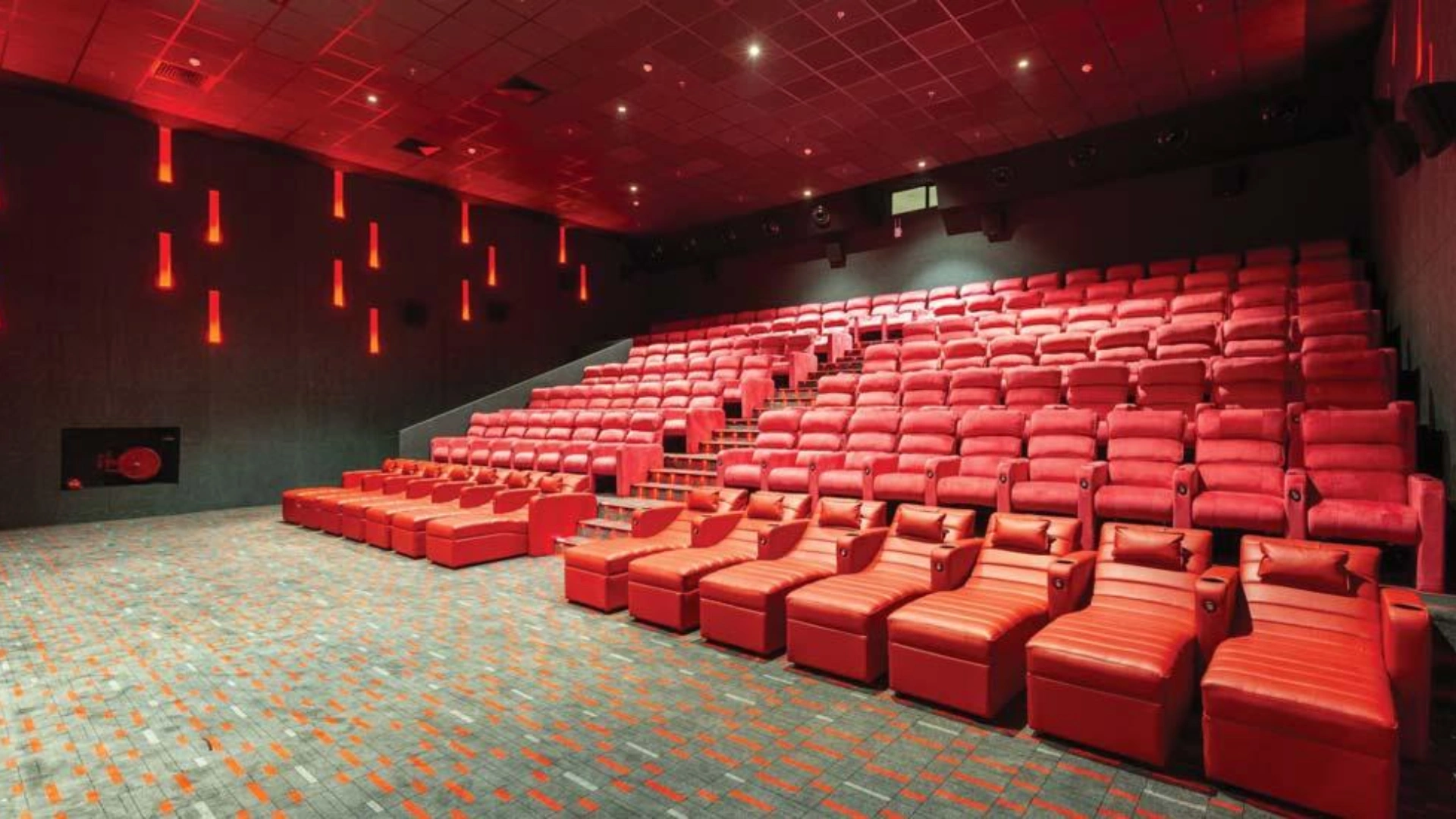
The allure of the big screen experience in India is reportedly fading, with concerns raised about the diminished quality of cinematic presentations. A recent article in The Hindu explores this decline, pointing to issues such as dull picture quality, low contrast, and poor sound as contributing factors. The article questions what happened to the immersive experience that once defined Indian cinema.
Several factors may be contributing to this perceived decline. One issue is the aging infrastructure of many Indian cinemas. While multiplexes have sprung up in urban areas, many smaller theaters in towns and rural regions struggle to maintain their equipment, leading to sub-par projection and sound.
Technical shortcomings
The transition to digital projection has also presented challenges. While digital technology offers potential for pristine image quality, improper calibration and maintenance can result in a dull, flat image. The use of cheaper projection lamps and poorly maintained lenses can further degrade the visual experience. Sound systems, too, require regular maintenance and calibration to deliver optimal performance. Many theaters reportedly cut corners in these areas, resulting in muffled dialogue and underwhelming sound effects.
Another issue is the lack of standardization in presentation formats. Different theaters may use different aspect ratios and projection settings, leading to inconsistent viewing experiences. This can be particularly frustrating for filmgoers who expect a certain level of quality and consistency across different venues.
The rise of streaming services has also raised the bar for home entertainment. With access to high-resolution content and sophisticated home theater systems, many viewers now demand a higher level of visual and audio quality. If cinemas cannot deliver a superior experience, they risk losing audience share to online platforms. Furthermore, piracy continues to be a problem, with illegal recordings often circulating online soon after a film’s release.
Efforts to revive the magic
Some industry experts believe that revitalizing the big screen experience requires a concerted effort from filmmakers, exhibitors, and technology providers. Filmmakers need to be mindful of the technical aspects of presentation and ensure that their films are optimized for different screen sizes and sound systems. Exhibitors need to invest in upgrading their equipment and maintaining it properly. Technology providers need to develop more affordable and user-friendly solutions for smaller theaters.
Ultimately, the future of the big screen experience in India depends on the industry’s ability to adapt to changing technology and audience expectations. By addressing the issues of substandard presentation and investing in quality and innovation, Indian cinemas can reclaim their status as a premier source of entertainment.
Image Source: Google | Image Credit: Respective Owner