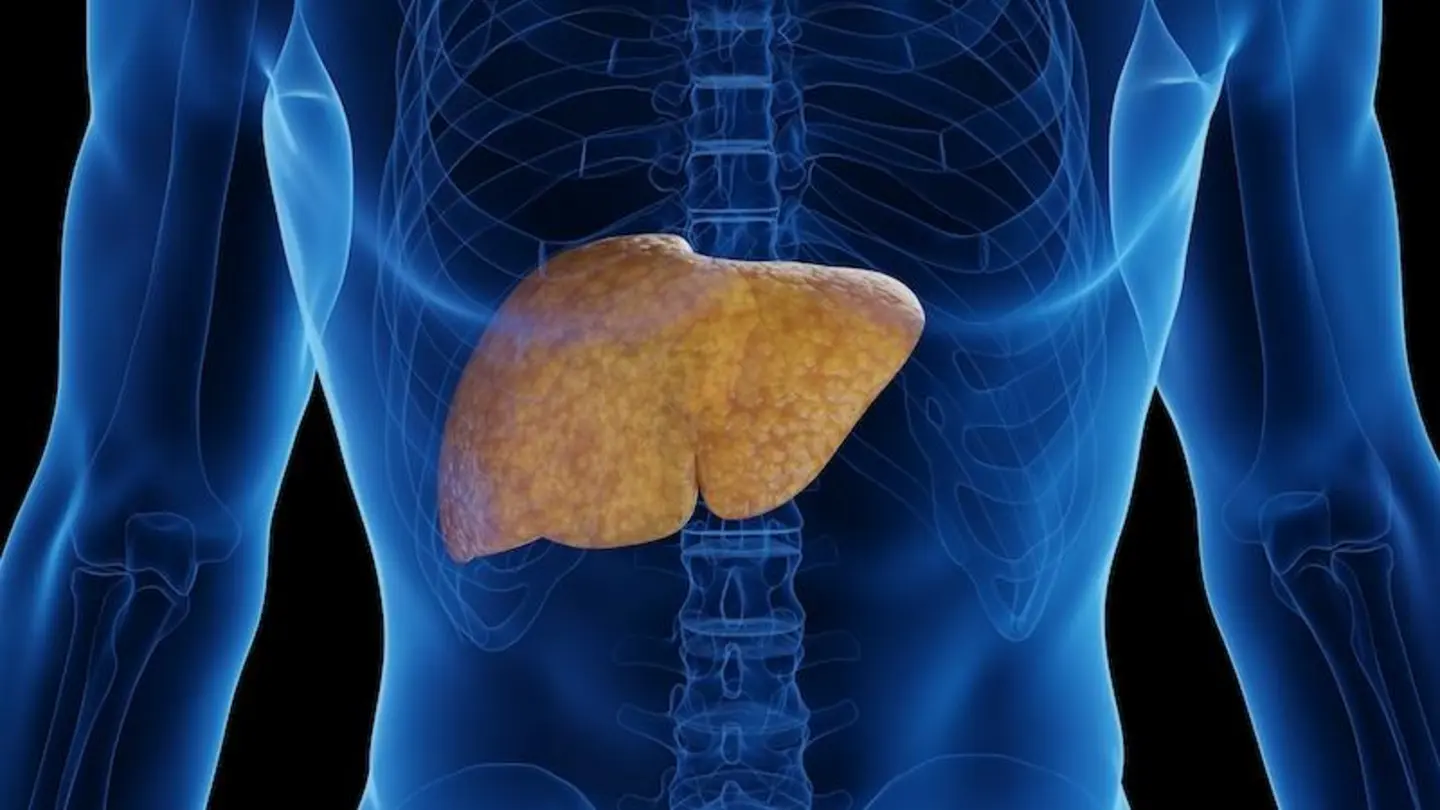
Scientists have announced a potentially groundbreaking treatment for non-alcoholic steatohepatitis (NASH), a severe form of fatty liver disease. NASH is characterized by liver inflammation and damage, which can lead to cirrhosis, liver failure, and even liver cancer. Currently, there are no approved therapies specifically targeting NASH, making this research a significant step forward.
Understanding NASH and its Challenges
NASH develops when fat accumulates in the liver, triggering inflammation and cell damage. Unlike alcoholic liver disease, NASH occurs in individuals who consume little to no alcohol. Risk factors include obesity, type 2 diabetes, high cholesterol, and high blood pressure. The rising prevalence of these conditions has led to a surge in NASH cases globally, creating an urgent need for effective treatments. The absence of approved therapies highlights the complexity of the disease and the challenges in developing targeted interventions.
The experimental treatment, developed by a team of researchers, focuses on modulating specific molecular pathways involved in liver inflammation and fibrosis. Preclinical studies have demonstrated promising results, showing a significant reduction in liver fat, inflammation, and fibrosis markers. The treatment utilizes a novel mechanism of action, targeting key signaling molecules that contribute to the progression of NASH. This targeted approach aims to address the root causes of the disease, rather than merely managing its symptoms.
Clinical Trial Details and Potential Impact
A Phase 1 clinical trial has already been completed, evaluating the safety and tolerability of the treatment in healthy volunteers. The results indicated that the treatment was well-tolerated, with no serious adverse events reported. Based on these findings, the researchers have initiated a Phase 2 clinical trial in patients with NASH. This trial will assess the efficacy of the treatment in reducing liver fat, inflammation, and fibrosis, as well as its impact on overall liver function. The study is a randomized, double-blind, placebo-controlled trial, considered the gold standard for evaluating new medical interventions. If successful, this treatment could represent a major breakthrough in the management of NASH, offering a much-needed therapeutic option for patients at risk of severe liver damage.
The scientists are optimistic about the potential of this treatment to improve the lives of individuals living with NASH. They emphasize the importance of continued research and clinical trials to further validate the findings and optimize the treatment regimen. The ultimate goal is to develop a safe and effective therapy that can halt the progression of NASH and prevent its life-threatening complications. Further long-term studies are needed to evaluate the durability of the treatment effects and to identify any potential long-term side effects.
The unveiling of this potential treatment offers renewed hope for millions affected by this devastating condition. The research team hopes to bring this novel therapy to market in the near future pending successful clinical trials and regulatory approvals.
Image Source: Google | Image Credit: Respective Owner