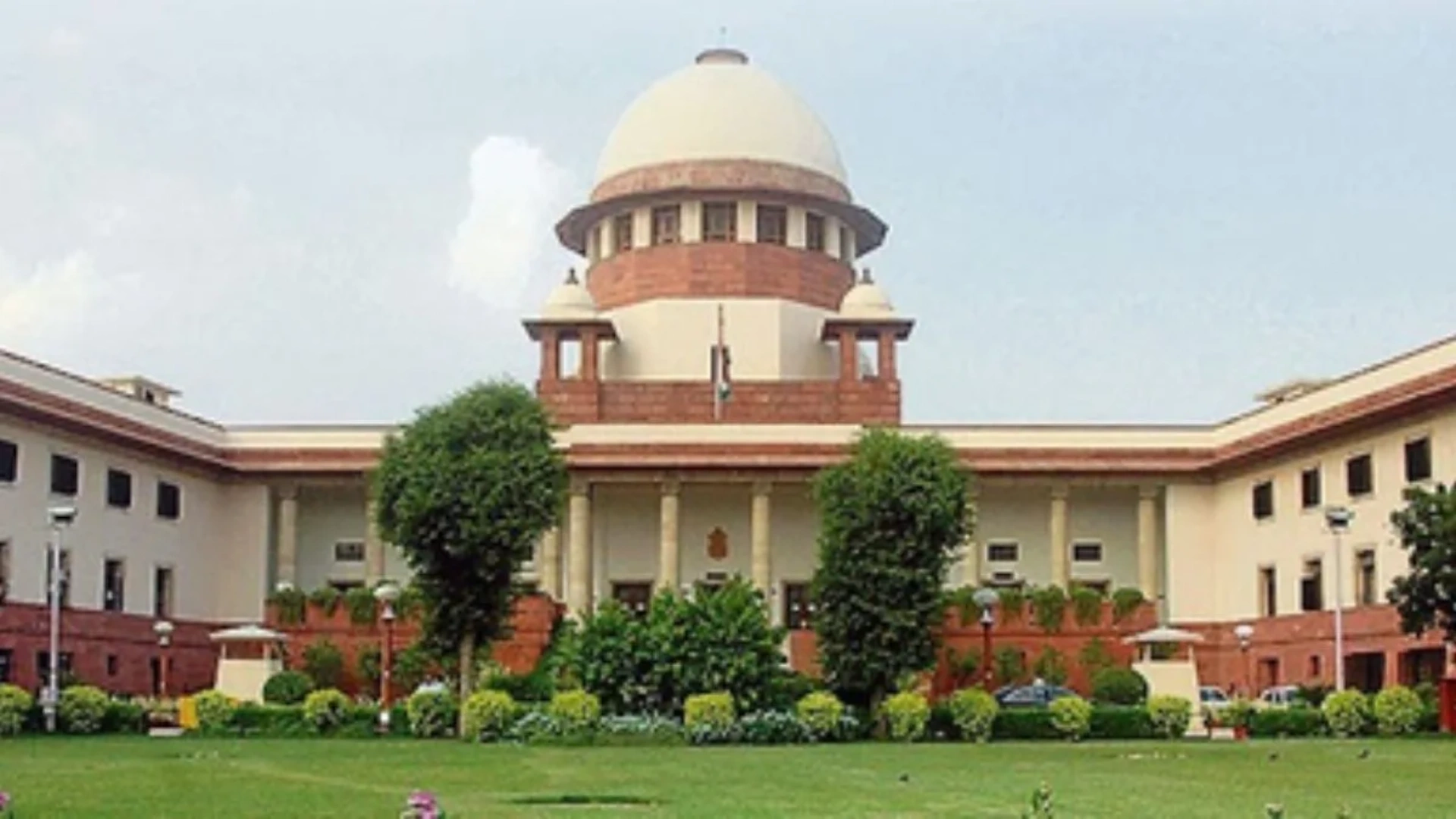
The Supreme Court is scheduled to pronounce its order on Monday regarding the pleas seeking a stay on the Waqf Amendment Act 2025. This crucial decision follows a series of petitions challenging the validity and implications of the amended legislation. The act, which aims to streamline the management and administration of Waqf properties across the country, has faced significant opposition from various stakeholders who claim it infringes upon their rights and lacks sufficient safeguards.
Background of the Waqf Act Amendment 2025
The Waqf Act, initially enacted to ensure the proper administration and protection of properties dedicated for religious and charitable purposes under Islamic law, has been subject to several amendments over the years. The 2025 amendment seeks to modernize the legal framework and address long-standing issues such as encroachments, mismanagement, and disputes related to Waqf properties. However, critics argue that certain provisions of the amended act could lead to arbitrary actions and potentially jeopardize the interests of genuine beneficiaries.
The petitions filed before the Supreme Court raise several concerns about the constitutional validity of the Waqf Amendment Act 2025. Petitioners argue that the act grants excessive powers to the Waqf boards, potentially leading to the erosion of private property rights. They also contend that the act lacks adequate mechanisms for ensuring transparency and accountability in the management of Waqf properties. The pleas further highlight the potential for misuse of the act, particularly in the context of politically sensitive areas.
Arguments Presented Before the Court
During the hearings, the petitioners presented detailed arguments highlighting the alleged inconsistencies and shortcomings of the amended act. Senior advocates representing the petitioners emphasized the need for a thorough review of the legislation to ensure that it aligns with the fundamental principles of justice, equity, and fairness. They urged the court to consider the far-reaching implications of the act on the rights of individuals and communities who have a vested interest in Waqf properties.
The government, on the other hand, defended the Waqf Amendment Act 2025, asserting that it is necessary to address the challenges and irregularities that have plagued the administration of Waqf properties for decades. Government lawyers argued that the act aims to enhance the efficiency and transparency of Waqf boards, thereby protecting the interests of beneficiaries and promoting the welfare of the community. They also assured the court that adequate safeguards are in place to prevent the misuse of the act.
Anticipated Outcome and Implications
The Supreme Court’s decision on the pleas seeking a stay on the Waqf Amendment Act 2025 is eagerly awaited by all stakeholders. If the court grants the stay, it would effectively put the implementation of the amended act on hold until further legal scrutiny. Conversely, if the court dismisses the pleas, the act would come into full force, potentially leading to significant changes in the management and administration of Waqf properties across the country. The outcome of this case is expected to have a profound impact on the religious and charitable landscape of India, as well as the legal framework governing Waqf properties.
The legal battle surrounding the Waqf Amendment Act 2025 underscores the complex interplay between religious laws, property rights, and constitutional principles in a diverse and democratic society. The Supreme Court’s decision will undoubtedly set a precedent for future cases involving similar issues and shape the discourse on religious freedom and property rights in India.
Image Source: Google | Image Credit: Respective Owner