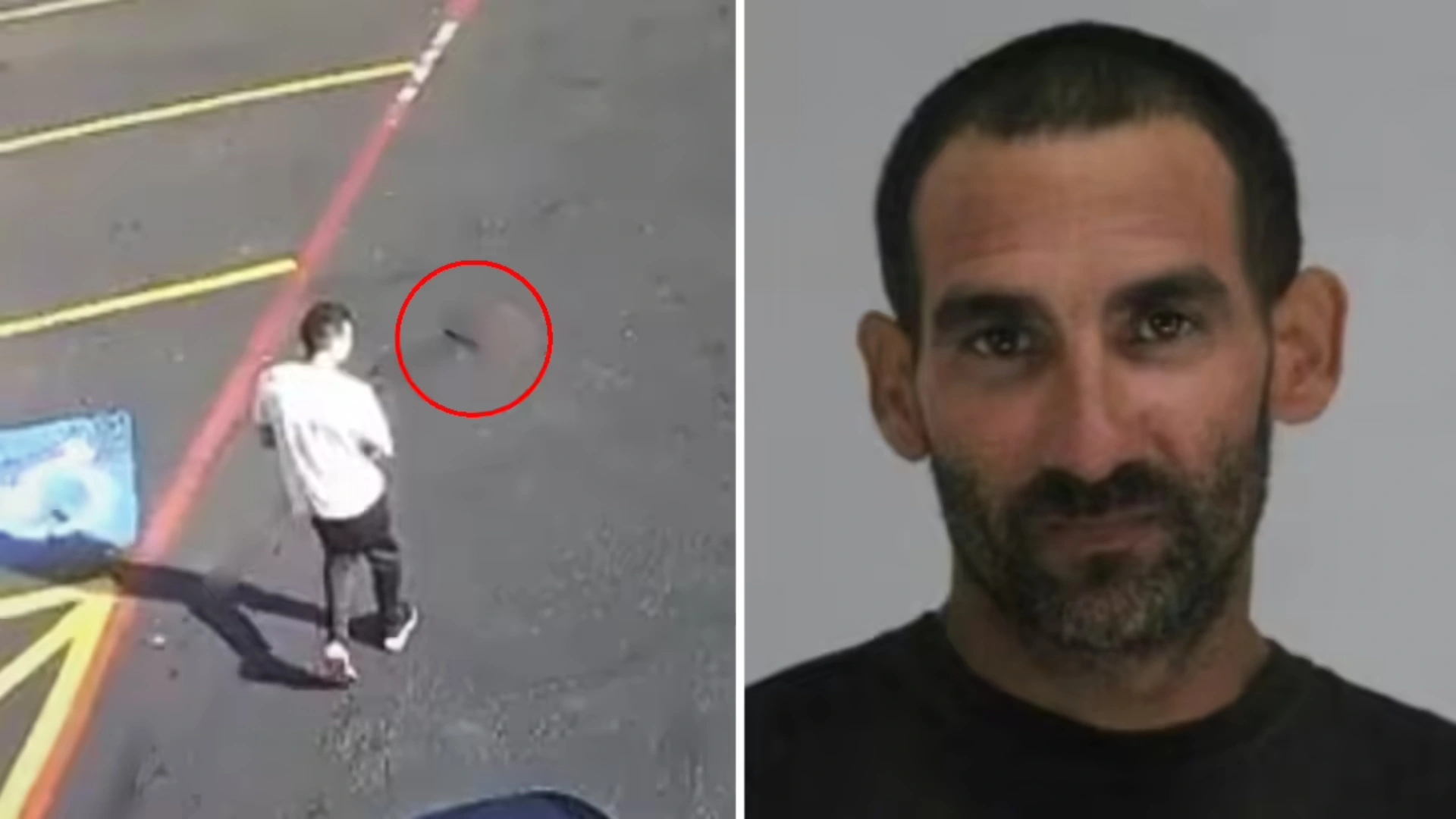
The death of Chandra Nagamallaiah, an Indian-origin man beheaded in the United States, has ignited a wave of anger and criticism directed towards US media outlets and immigration policies. The incident has triggered widespread condemnation, with many accusing the media of biased reporting and questioning the effectiveness of current immigration laws in protecting vulnerable individuals.
Details surrounding Nagamallaiah’s death remain scarce, but initial reports suggest the incident occurred under circumstances that have fueled suspicions and demands for a thorough investigation. The lack of comprehensive coverage from mainstream US media has drawn sharp criticism, with many accusing news outlets of downplaying the significance of the case due to the victim’s ethnic background.
Concerns Over Immigration Policies
The tragedy has also reignited the debate over US immigration policies, with critics arguing that existing laws fail to adequately address the safety and security concerns of immigrants. Advocates for immigration reform are calling for a reevaluation of current policies to ensure that individuals seeking refuge or a better life in the United States are not exposed to unnecessary risks.
“This is a wake-up call,” stated a prominent immigration activist. “We need to examine how our immigration system can better protect vulnerable individuals from violence and exploitation. The current system is clearly failing to do so.”
Social media platforms have become a hub for expressing outrage and demanding justice for Nagamallaiah. Hashtags such as #JusticeForChandra and #ImmigrationReformNow are trending, reflecting the growing public concern over the case. Online petitions are also circulating, calling for a federal investigation into the circumstances surrounding Nagamallaiah’s death.
The Indian diaspora in the United States has been particularly vocal in condemning the incident and demanding answers. Community leaders are organizing protests and rallies to raise awareness about the case and pressure authorities to take swift action.
Demands for Fair Media Coverage
The perceived lack of fair and balanced media coverage has further exacerbated tensions. Critics argue that the US media has a responsibility to report on such incidents without bias and to provide a platform for the voices of marginalized communities. The failure to do so, they contend, only perpetuates harmful stereotypes and contributes to a climate of fear and discrimination.
“The media has a crucial role to play in shaping public opinion,” said a spokesperson for an Indian-American advocacy group. “When they fail to adequately cover incidents like this, they are effectively silencing the voices of the victims and their families.”
As investigations into Nagamallaiah’s death continue, the case serves as a stark reminder of the challenges faced by immigrants in the United States and the urgent need for comprehensive immigration reform. It also underscores the importance of responsible and unbiased media coverage in promoting understanding and fostering a more inclusive society.
The incident has sparked international attention, with news outlets around the world reporting on the controversy. Many are closely watching the unfolding events and awaiting the results of the investigations. The outcome of the case is expected to have significant implications for the future of immigration policy and media accountability in the United States.
Image Source: Google | Image Credit: Respective Owner