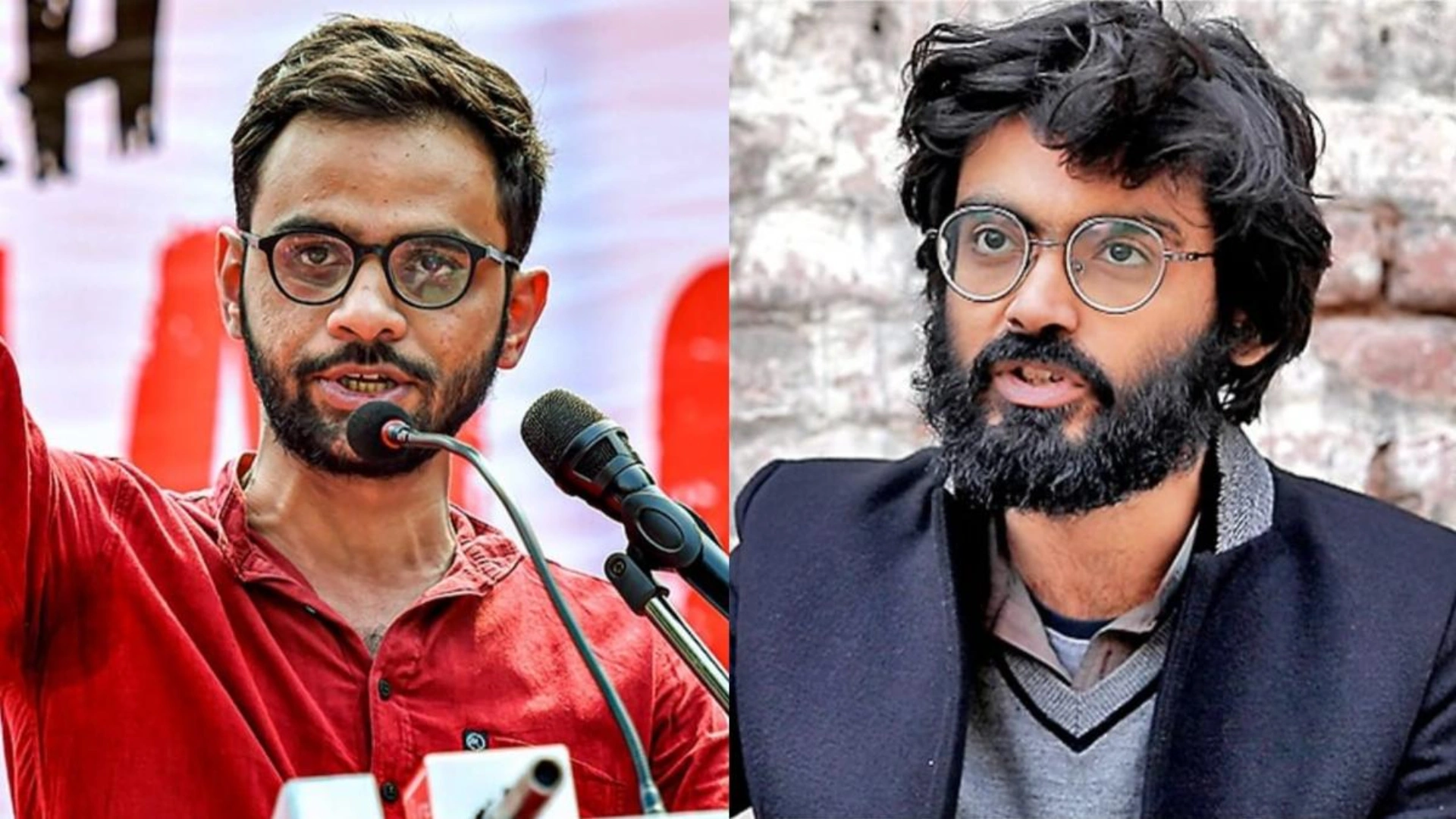
The Supreme Court of India has adjourned the hearing of bail petitions filed by Umar Khalid and Sharjeel Imam, both accused in connection with the Delhi riots case, to September 19. The adjournment was granted to allow the court time to thoroughly examine the voluminous documents and arguments presented by both the prosecution and the defense.
Background of the Case
Umar Khalid and Sharjeel Imam are among several individuals accused of inciting violence and making inflammatory speeches that allegedly contributed to the communal riots that erupted in Delhi in February 2020. The riots resulted in significant loss of life and property, and the aftermath has been marked by numerous arrests and legal proceedings.
Both Khalid and Imam have been charged under various sections of the Indian Penal Code (IPC) and the Unlawful Activities (Prevention) Act (UAPA), which is a stringent anti-terrorism law. The prosecution has argued that their speeches and actions were part of a larger conspiracy to destabilize the government and incite communal disharmony.
Arguments Presented
During the court proceedings, the defense counsels for Khalid and Imam have vehemently denied the allegations, arguing that their clients’ speeches were taken out of context and that they were merely exercising their constitutional right to freedom of speech and expression. They have also contended that the prosecution has failed to provide concrete evidence linking their clients directly to the violence that occurred.
The prosecution, on the other hand, has presented video evidence, witness testimonies, and intercepted communications to support their claims. They have argued that the speeches made by Khalid and Imam were calculated to provoke and incite the public, leading to the outbreak of the riots.
Legal Proceedings and Previous Rulings
Prior to the Supreme Court hearing, both Khalid and Imam had approached lower courts and the Delhi High Court seeking bail, but their pleas were rejected. The courts cited the gravity of the charges and the potential for the accused to influence witnesses or tamper with evidence as reasons for denying bail.
The Supreme Court’s decision to adjourn the hearing indicates the complexity of the case and the need for a thorough examination of the evidence and legal arguments. The outcome of the bail petitions will have significant implications for the accused and the ongoing legal proceedings related to the Delhi riots case.
The next hearing on September 19 is expected to be crucial, as the Supreme Court will likely delve deeper into the merits of the case and the arguments presented by both sides. The court’s decision will be closely watched by legal experts, human rights activists, and the general public, as it could set a precedent for similar cases involving charges of sedition and incitement to violence.
The case remains a sensitive and politically charged issue, highlighting the challenges faced by the Indian judicial system in balancing national security concerns with the protection of individual rights and freedoms.
Image Source: Google | Image Credit: Respective Owner