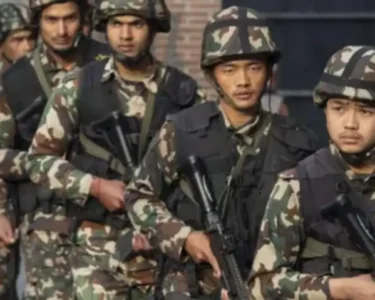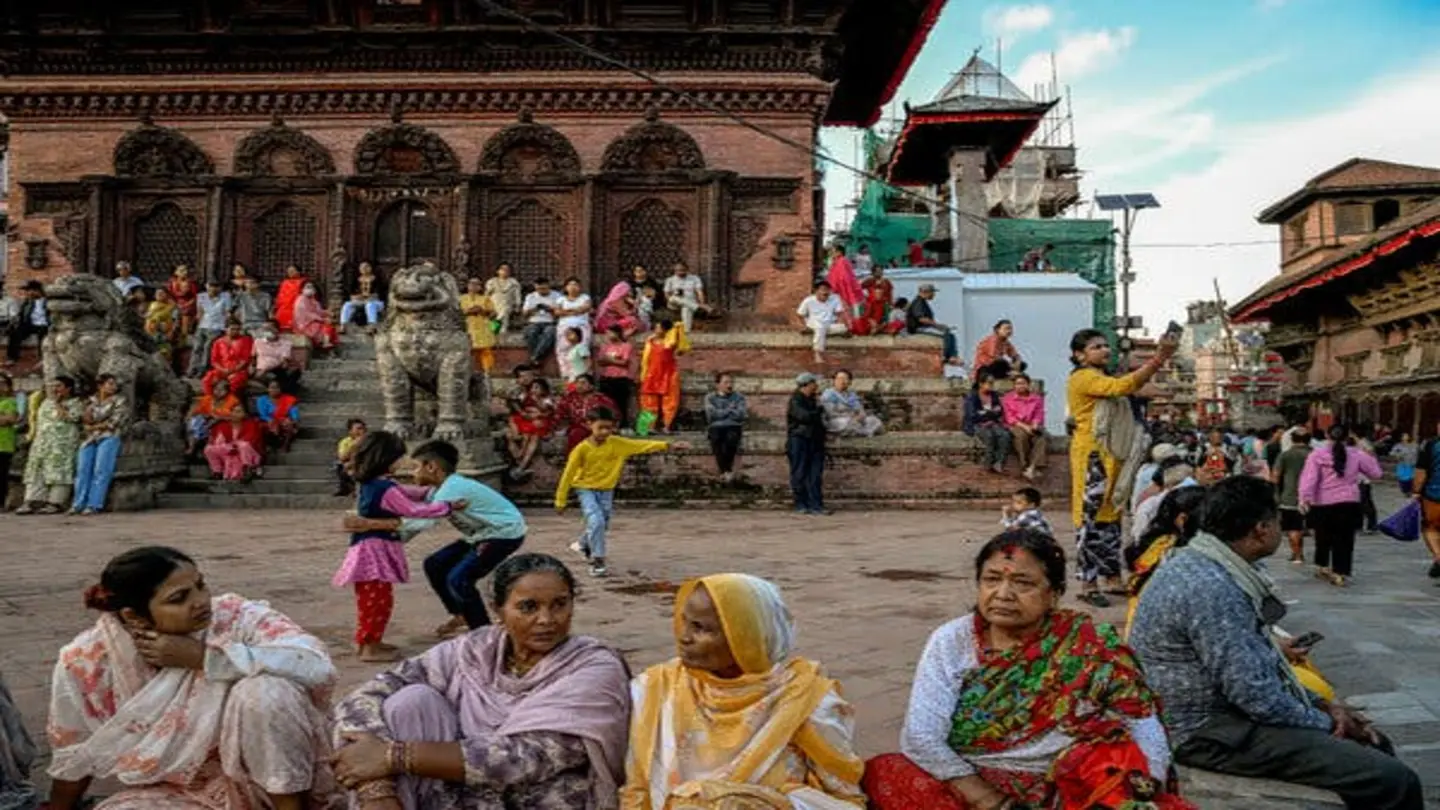
A unique form of digital democracy has emerged, with Gen Z protestors in Nepal reportedly selecting their preferred Prime Minister candidate through a vote conducted on the online platform Discord. This novel approach to political engagement highlights the increasing influence of digital spaces in shaping real-world political outcomes, particularly amongst younger generations who are more digitally native.
Discord’s Role in Political Discourse
Discord, initially designed as a platform for gamers, has evolved into a versatile communication tool utilized by diverse communities. Its features, including voice and text channels, allow for real-time discussions and organized information sharing, making it an attractive platform for political organizing and mobilization. This instance in Nepal showcases Discord’s potential as a space for democratic participation, particularly in engaging younger demographics who may be less involved in traditional political processes.
The India Today report delves into the specifics of this online election, exploring the mechanics of the voting process and the implications for Nepalese politics. The selection of a Prime Ministerial candidate through Discord demonstrates a shift in how political discourse and decision-making can occur, bypassing traditional party structures and appealing directly to the electorate through digital channels. This could potentially lead to a more participatory and representative form of democracy, empowering citizens to have a greater say in the selection of their leaders.
However, this also raises questions about the accessibility and inclusivity of such methods. While Gen Z is generally comfortable with digital platforms like Discord, older generations or those without access to reliable internet connections may be excluded from this form of participation. Ensuring equitable access and digital literacy will be crucial if online platforms are to become a legitimate and widespread tool for democratic engagement.
Implications for the Future of Politics
The use of Discord in Nepal to select a Prime Ministerial candidate may signify a broader trend of digital platforms playing an increasingly important role in political processes worldwide. As younger generations become more politically active, their preference for online engagement is likely to shape the future of political campaigns, discussions, and decision-making. Political parties and organizations may need to adapt their strategies to effectively engage with voters in these digital spaces, utilizing platforms like Discord to build communities, disseminate information, and mobilize support.
This event in Nepal serves as a reminder of the ever-evolving nature of democracy and the importance of embracing new technologies to facilitate citizen participation. While challenges remain in ensuring inclusivity and addressing potential risks, the potential for digital platforms to empower citizens and enhance democratic processes is undeniable.
Image Source: Google | Image Credit: Respective Owner