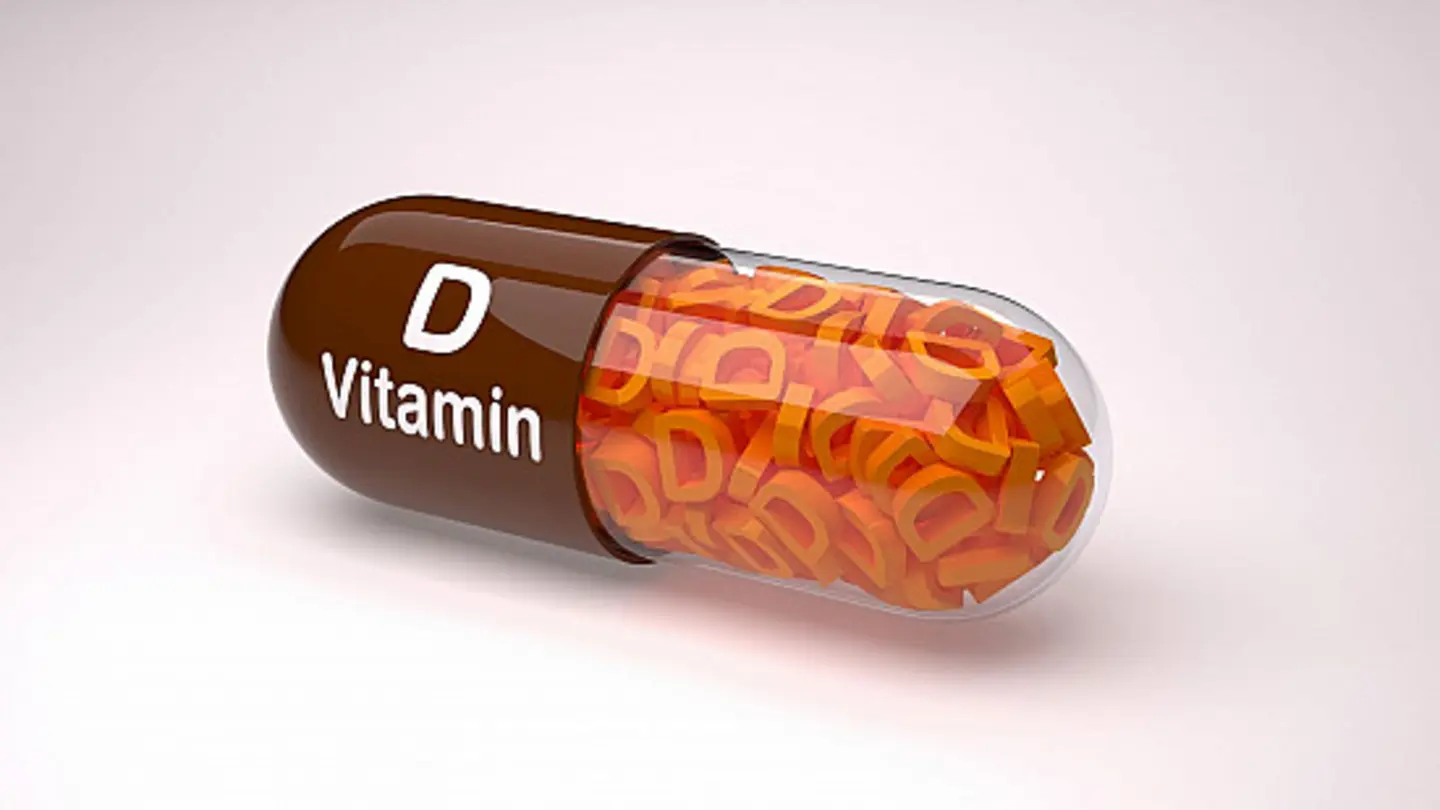
Many people are unaware that they may not be absorbing vitamin D effectively, despite taking supplements. A leading doctor has shared essential tips to optimize vitamin D absorption and maximize its health benefits. Vitamin D is crucial for bone health, immune function, and overall well-being.
Understanding the factors that can hinder vitamin D absorption is the first step. Several elements, including the timing of intake, the form of the supplement, and individual health conditions, play significant roles. Taking vitamin D supplements incorrectly can lead to suboptimal levels, negating their potential benefits.
The Importance of Taking Vitamin D With Fat
Vitamin D is a fat-soluble vitamin, meaning it’s best absorbed when taken with a source of dietary fat. Dr. [Doctor’s Name], a renowned expert in nutritional health, advises consuming vitamin D supplements with a meal that includes healthy fats. This could be anything from avocados and nuts to olive oil and fatty fish. The presence of fat aids the absorption process, ensuring that more of the vitamin is utilized by the body.
Dr. [Doctor’s Name] explains, “Without adequate fat, vitamin D simply isn’t absorbed as efficiently. It’s like trying to start a fire without kindling. You might get a spark, but it won’t ignite properly.” This simple adjustment can significantly enhance the effectiveness of vitamin D supplementation.
Choosing the Right Form of Vitamin D
The form of vitamin D you choose also matters. There are two primary forms: vitamin D2 (ergocalciferol) and vitamin D3 (cholecalciferol). Studies have shown that vitamin D3 is more effective at raising and maintaining vitamin D levels in the blood compared to vitamin D2. Therefore, opt for vitamin D3 supplements whenever possible.
Moreover, consider the delivery method. Vitamin D supplements are available in various forms, including capsules, tablets, liquid drops, and gummies. Liquid drops or capsules may be more easily absorbed than tablets, particularly for individuals with digestive issues. Always check the supplement label for the form and dosage.
Factors Affecting Vitamin D Absorption
Several health conditions can impact vitamin D absorption. People with conditions like Crohn’s disease, celiac disease, or cystic fibrosis may have difficulty absorbing fat-soluble vitamins, including vitamin D. In such cases, higher doses or alternative forms of vitamin D may be necessary, under the guidance of a healthcare professional.
Additionally, individuals with darker skin pigmentation require more sun exposure to produce vitamin D naturally. Therefore, they may need higher doses of vitamin D supplements to maintain adequate levels. Age is also a factor, as the ability to synthesize vitamin D from sunlight decreases with age.
Regular monitoring of vitamin D levels through blood tests is advisable, especially for those at higher risk of deficiency. Consulting with a healthcare provider can help determine the appropriate dosage and supplementation strategy based on individual needs and health status. By following these expert tips, individuals can ensure they are maximizing the benefits of vitamin D supplementation for optimal health.
Image Source: Google | Image Credit: Respective Owner