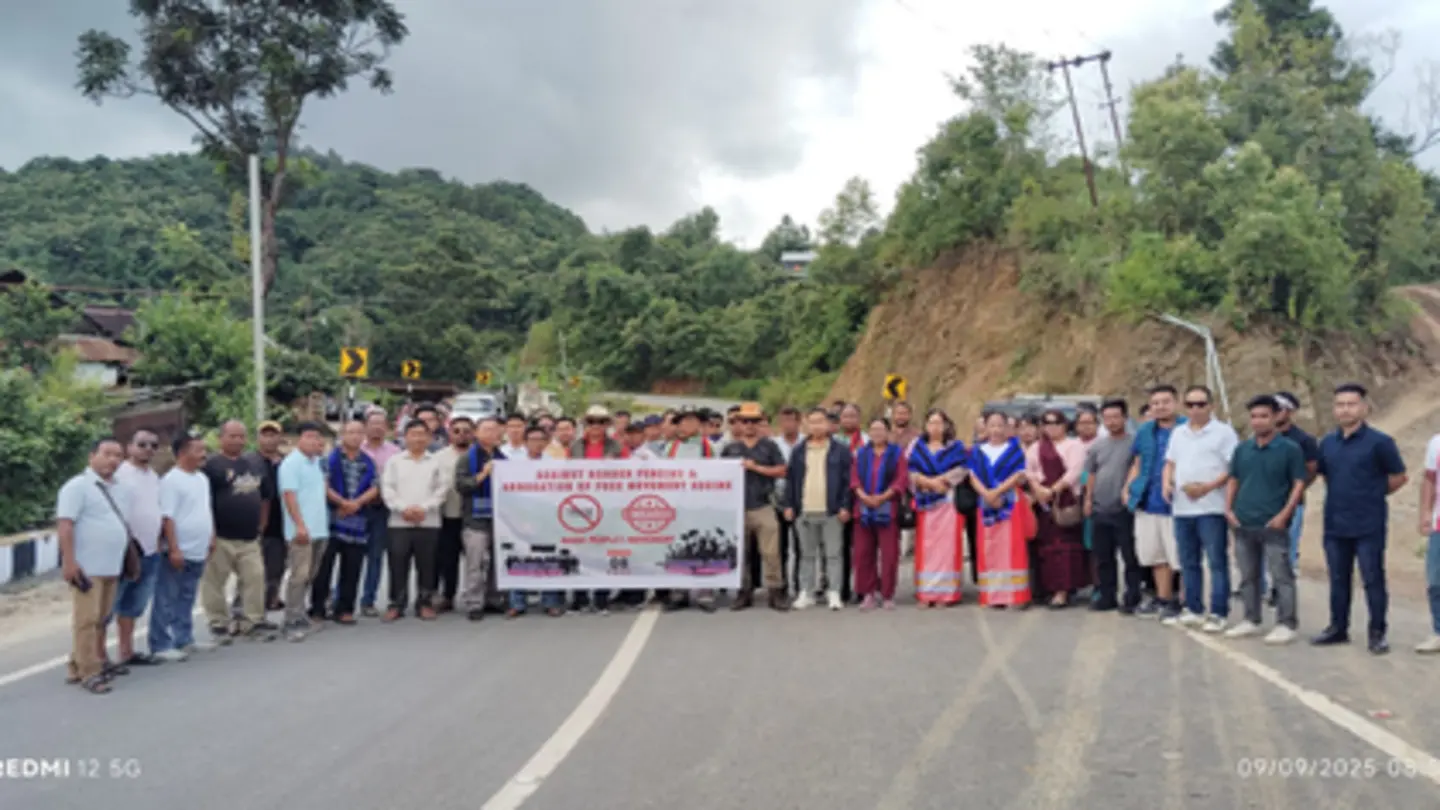
The United Naga Council (UNC) has announced a temporary suspension of its trade embargo in Naga-dominated areas of Manipur, offering a reprieve to residents who have faced economic hardship due to the ongoing ethnic tensions in the state. The decision, made public on [Date if available in source, otherwise omit], aims to ease the burden on communities struggling with essential supplies and economic activities. The embargo, which had been in place for [Duration if available, otherwise omit], had significantly disrupted trade routes and the availability of goods, particularly in areas like Ukhrul.
The UNC, a prominent apex body of Naga tribes in Manipur, stated that the suspension is a response to appeals from various civil society organizations and community leaders concerned about the humanitarian impact of the embargo. The council emphasized that this is a temporary measure and that the decision on whether to fully lift the embargo will depend on further developments and the resolution of issues that prompted its imposition in the first place. It is crucial to note that this trade embargo is separate from any national level economic policies and focuses purely on regional issues within Manipur.
Impact and Reactions
News of the suspension has been met with relief and cautious optimism in Ukhrul and other Naga-inhabited regions. Local businesses and residents have expressed hope that the move will lead to a gradual restoration of normalcy and a revival of economic activity. However, concerns remain about the underlying causes of the embargo and the need for a lasting solution to the ethnic tensions that have plagued Manipur.
The Manipur government has welcomed the UNC’s decision, viewing it as a positive step towards fostering dialogue and reconciliation. Government officials have reiterated their commitment to addressing the grievances of all communities in the state and working towards a peaceful resolution of the conflict. They further commented this would help rebuild trust.
Context of the Embargo
The trade embargo was initially imposed in response to [Reasons for the embargo if available, otherwise include broader context of ethnic tensions and demands. Example: perceived injustices and discrimination against the Naga community, along with demands for greater autonomy and protection of their rights. These demands often intersect with the broader context of ethnic tensions in Manipur, which involve various communities vying for political and economic power]. The UNC had argued that the embargo was a necessary measure to pressure the state government to address these concerns. The suspension comes after numerous rounds of negotiations and appeals from various stakeholders.
The current situation in Manipur remains complex and fragile, with ongoing efforts to promote peace and reconciliation. The temporary suspension of the trade embargo is a significant development, but it is only one step in a long and challenging process. Future developments will depend on the willingness of all parties to engage in constructive dialogue and address the root causes of the conflict. This decision by the UNC signifies a potential shift in strategies towards achieving their goals, but the long-term impact is still uncertain.
Local authorities are now working to ensure a smooth transition and to facilitate the resumption of trade activities. Security measures have also been stepped up to prevent any disruptions or untoward incidents. The focus is now on creating an environment conducive to dialogue and negotiation, with the ultimate goal of achieving lasting peace and stability in Manipur.
Image Source: Google | Image Credit: Respective Owner