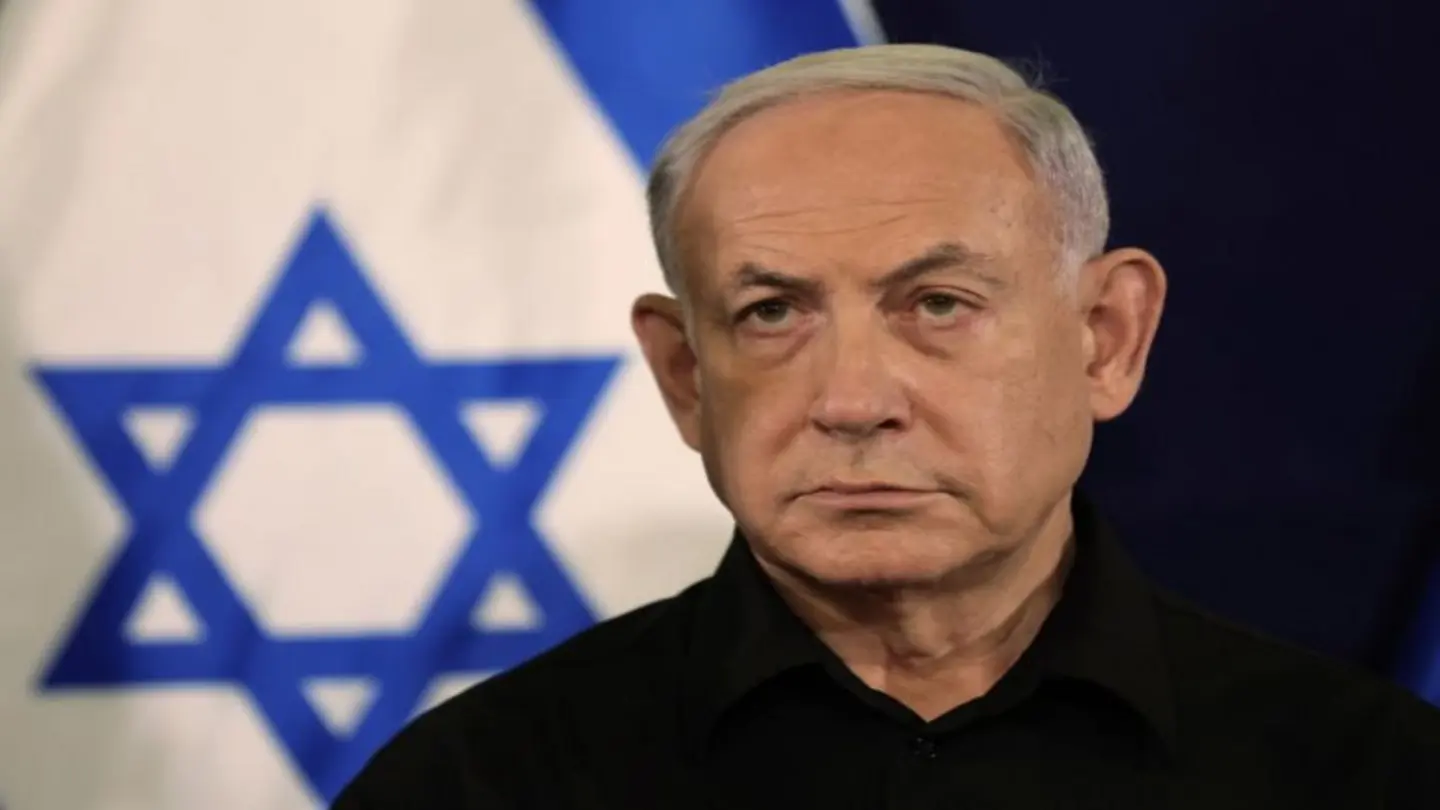
Israeli Prime Minister Benjamin Netanyahu has stated definitively that there will be no Palestinian state, asserting Israeli ownership of the land. This declaration marks a significant departure from previous positions and raises concerns about the future of the Israeli-Palestinian conflict. The statement, reported by News18, reflects a hardened stance amidst ongoing tensions and stalled peace negotiations.
Implications of Netanyahu’s Statement
Netanyahu’s firm rejection of a Palestinian state carries profound implications for regional stability and international relations. It effectively dismisses the long-standing two-state solution, which has been the cornerstone of peace efforts for decades. This announcement is likely to inflame tensions with Palestinians, who seek an independent state in the West Bank, Gaza Strip, and East Jerusalem. The international community, which largely supports a two-state solution, may also view Netanyahu’s stance as a major obstacle to peace. This declaration could embolden hardliners on both sides, making any future negotiations even more challenging.
The timing of Netanyahu’s statement is particularly sensitive, given the ongoing humanitarian crisis in Gaza and heightened security concerns in the West Bank. With international attention focused on the region, such a definitive declaration risks further destabilizing an already volatile situation. The statement could also impact Israel’s standing on the global stage, potentially leading to increased international pressure and scrutiny of its policies towards Palestinians.
Reactions and Future Outlook
Reactions to Netanyahu’s announcement have been swift and varied. Palestinian officials have condemned the statement, accusing Netanyahu of undermining any prospect of a peaceful resolution. Some international leaders have expressed concern and reiterated their support for a two-state solution. The United States, a key ally of Israel, has traditionally supported the two-state solution, but it remains to be seen how the Biden administration will respond to Netanyahu’s explicit rejection of this framework. The European Union has also consistently advocated for a negotiated settlement leading to a Palestinian state, and this development will likely prompt further diplomatic efforts.
The future of the Israeli-Palestinian conflict remains uncertain. Netanyahu’s declaration signals a significant shift in Israeli policy, potentially paving the way for increased settlement activity and further entrenchment of Israeli control over Palestinian territories. Without a renewed commitment to dialogue and compromise from both sides, the prospect of a lasting peace seems increasingly distant. The international community faces the challenge of finding new strategies to address the conflict and prevent further escalation. Whether a different approach can gain traction remains to be seen.
The statement, viewed within the context of the current political climate, reinforces a sense of deepening division and poses complex challenges to the pursuit of a just and sustainable resolution.
Image Source: Google | Image Credit: Respective Owner