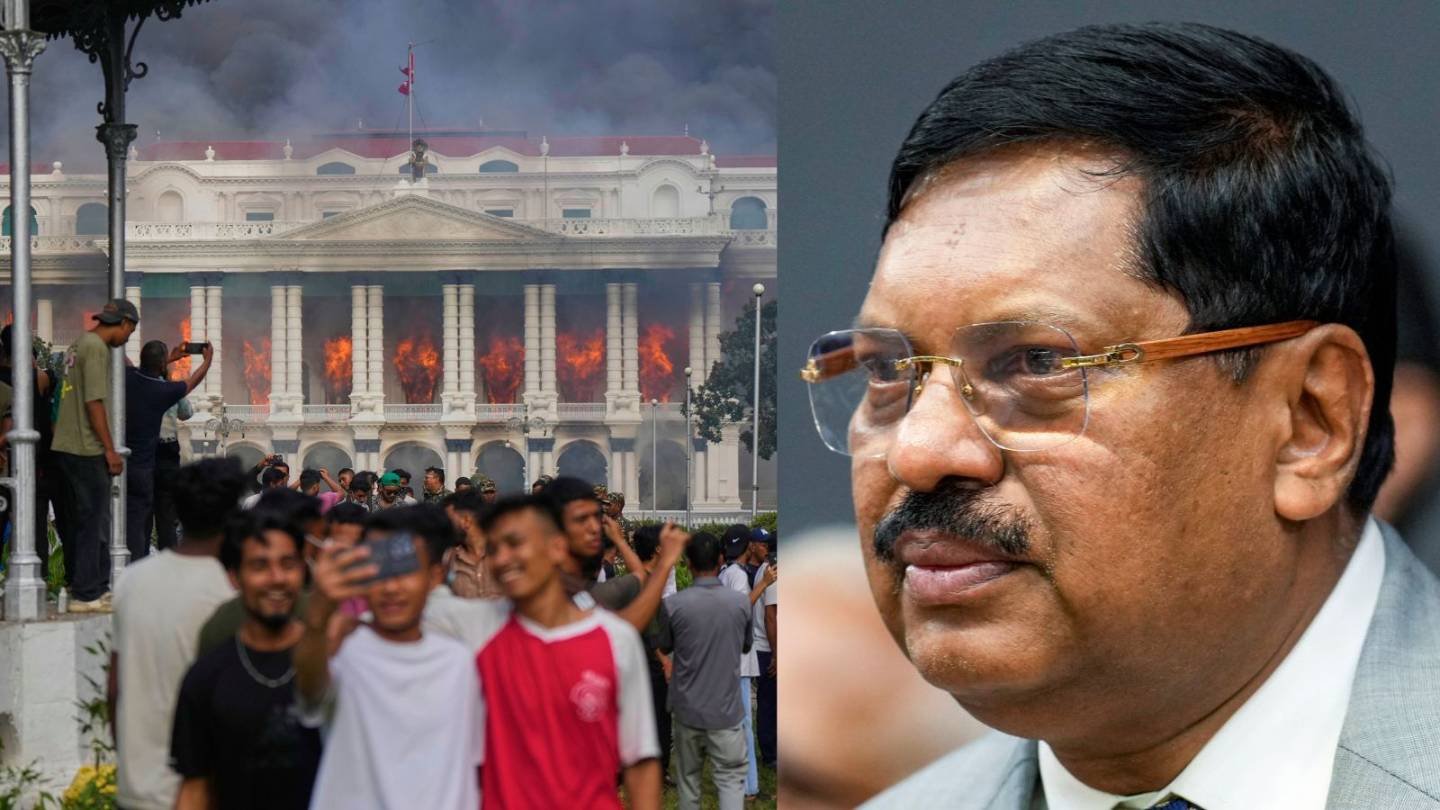
The Supreme Court of India, while hearing a Presidential reference, drew parallels with the political turmoil in Nepal and Bangladesh, emphasizing the importance of adhering to constitutional principles. The apex court’s observations came during deliberations on the reference concerning the interpretation of constitutional provisions related to elections and governance. The court’s remarks highlight the significance of upholding the Constitution to prevent instability and ensure smooth democratic processes.
Constitutional Stability
The Supreme Court underscored the role of the Constitution as a bedrock of stability, referencing instances in Nepal and Bangladesh where deviations from constitutional norms led to political crises. By citing these examples, the court aimed to illustrate the potential consequences of undermining constitutional integrity. The judges emphasized that a robust constitutional framework is essential for maintaining order and preventing societal disruption.
“Proud of our Constitution,” remarked one of the justices, reflecting the court’s commitment to safeguarding the fundamental principles enshrined in the document. The court’s invocation of international examples serves as a cautionary tale, reinforcing the need for unwavering adherence to constitutional guidelines. The reference hearing focused on complex legal questions surrounding the powers and responsibilities of various constitutional bodies.
Presidential Reference Context
The Presidential reference itself involves seeking the Supreme Court’s advisory opinion on matters of significant public importance, particularly those concerning the interpretation of the Constitution. The current reference relates to ambiguities and potential conflicts in the electoral process and the roles of different institutions in ensuring free and fair elections. The court’s observations regarding Nepal and Bangladesh are intended to provide a broader context for understanding the importance of constitutional compliance in maintaining electoral integrity and political stability.
The Supreme Court’s scrutiny of the Presidential reference is crucial for clarifying constitutional ambiguities and providing guidance to the government and electoral bodies. The court’s emphasis on the potential pitfalls of straying from constitutional norms serves as a reminder of the delicate balance required to sustain a functioning democracy. The judges noted that the experiences of neighboring countries offer valuable lessons in the necessity of respecting constitutional boundaries and upholding the rule of law. The court is expected to issue a detailed opinion on the Presidential reference, which will likely have significant implications for the future conduct of elections and governance in India.
The hearing continues, with legal experts and constitutional scholars closely monitoring the proceedings, recognizing the profound impact the court’s interpretation will have on the nation’s democratic framework. The court’s invocation of comparative examples from Nepal and Bangladesh adds a layer of urgency to the proceedings, underscoring the need for careful consideration of the potential ramifications of any deviation from established constitutional principles.
Image Source: Google | Image Credit: Respective Owner