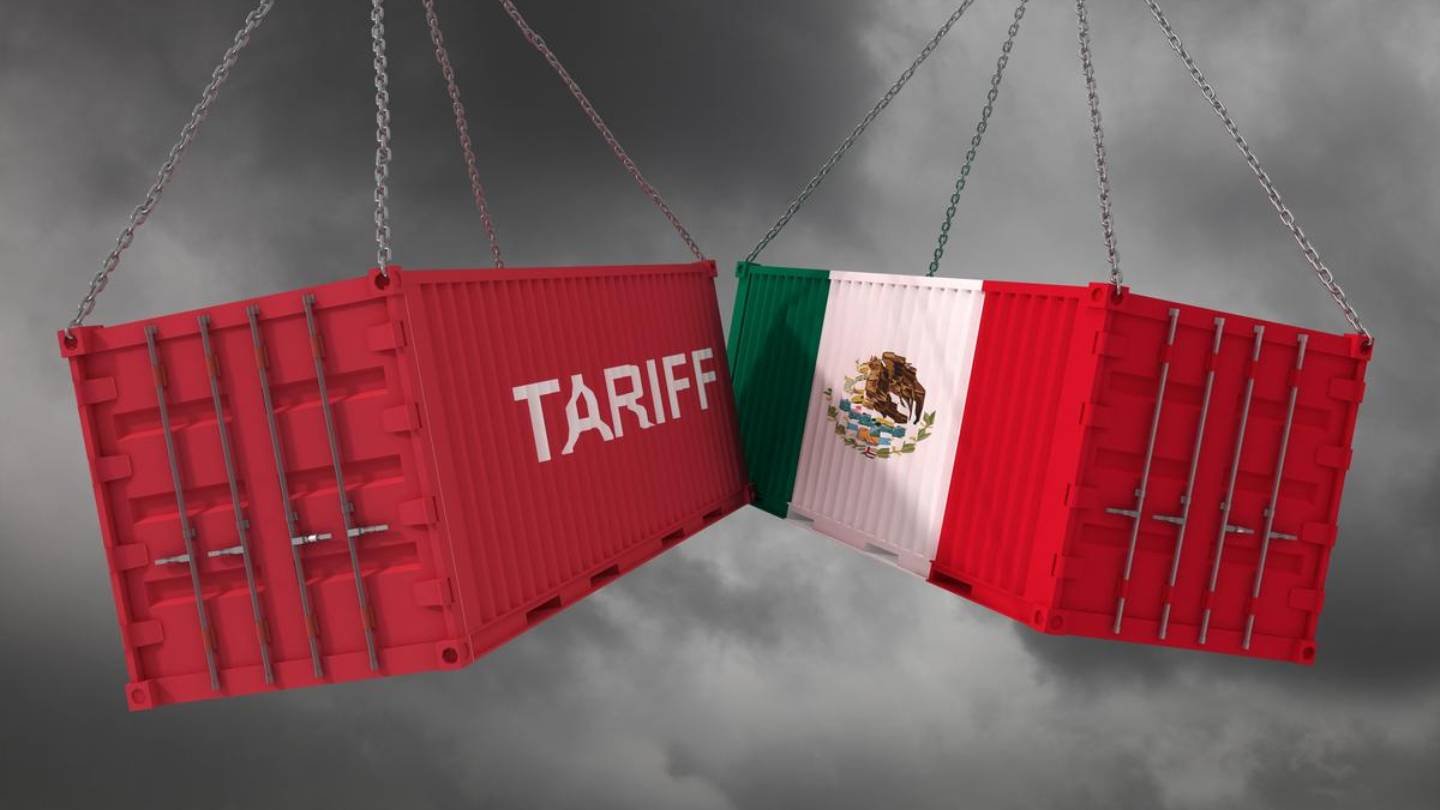
Mexico is implementing new tariffs on imports from Asian countries, a move widely interpreted as a strategic response to growing trade pressures from the United States. The tariffs are designed to protect domestic industries and diversify Mexico’s trade relationships, reducing its reliance on the U.S. market. The initiative underscores a broader effort by Mexico to assert its economic sovereignty amid ongoing trade disputes and renegotiations.
Impact on Industries
The tariffs will affect a range of sectors, including steel, textiles, and electronics. Mexican manufacturers have long complained about unfair competition from cheaper Asian imports, which they argue have eroded their market share and profitability. By imposing tariffs, Mexico aims to level the playing field and provide its domestic industries with a competitive advantage. The measure is expected to stimulate local production and create jobs, bolstering the overall economy.
However, the tariffs also carry potential risks. Higher import costs could translate into increased prices for consumers, potentially dampening demand. Moreover, the move could provoke retaliatory measures from Asian countries, leading to a trade war that would harm all parties involved. Mexico’s government is carefully weighing these considerations, seeking to strike a balance between protecting domestic interests and maintaining stable international trade relations.
Geopolitical Context
The decision to impose tariffs reflects a changing geopolitical landscape. Under pressure from the United States, Mexico is seeking to forge closer ties with other regions, including Asia. This diversification strategy is intended to mitigate the impact of any future trade disruptions and enhance Mexico’s economic resilience. The tariffs are a signal to both the U.S. and Asian countries that Mexico is prepared to defend its interests and pursue an independent trade policy.
Furthermore, the tariffs could be seen as a test of Mexico’s commitment to free trade. While the country remains a member of several regional trade agreements, including the Comprehensive and Progressive Agreement for Trans-Pacific Partnership (CPTPP), the tariffs represent a departure from strict adherence to free-market principles. The move could raise questions about Mexico’s long-term trade strategy and its willingness to embrace protectionist measures in response to external pressures.
Expert Opinions
Trade experts have offered mixed reactions to Mexico’s tariff announcement. Some argue that the tariffs are a necessary tool to protect vulnerable industries and promote economic development. Others warn that they could backfire, leading to higher prices, reduced consumer choice, and strained international relations. Ultimately, the success of the tariffs will depend on how they are implemented and how other countries respond.
In conclusion, Mexico’s decision to impose tariffs on Asian imports is a complex and multifaceted issue. It reflects a desire to protect domestic industries, diversify trade relationships, and assert economic sovereignty in a challenging global environment. The move carries both potential benefits and risks, and its long-term impact remains to be seen. Observers will closely monitor how Mexico navigates these challenges and how its trade policies evolve in the years ahead.
Image Source: Google | Image Credit: Respective Owner