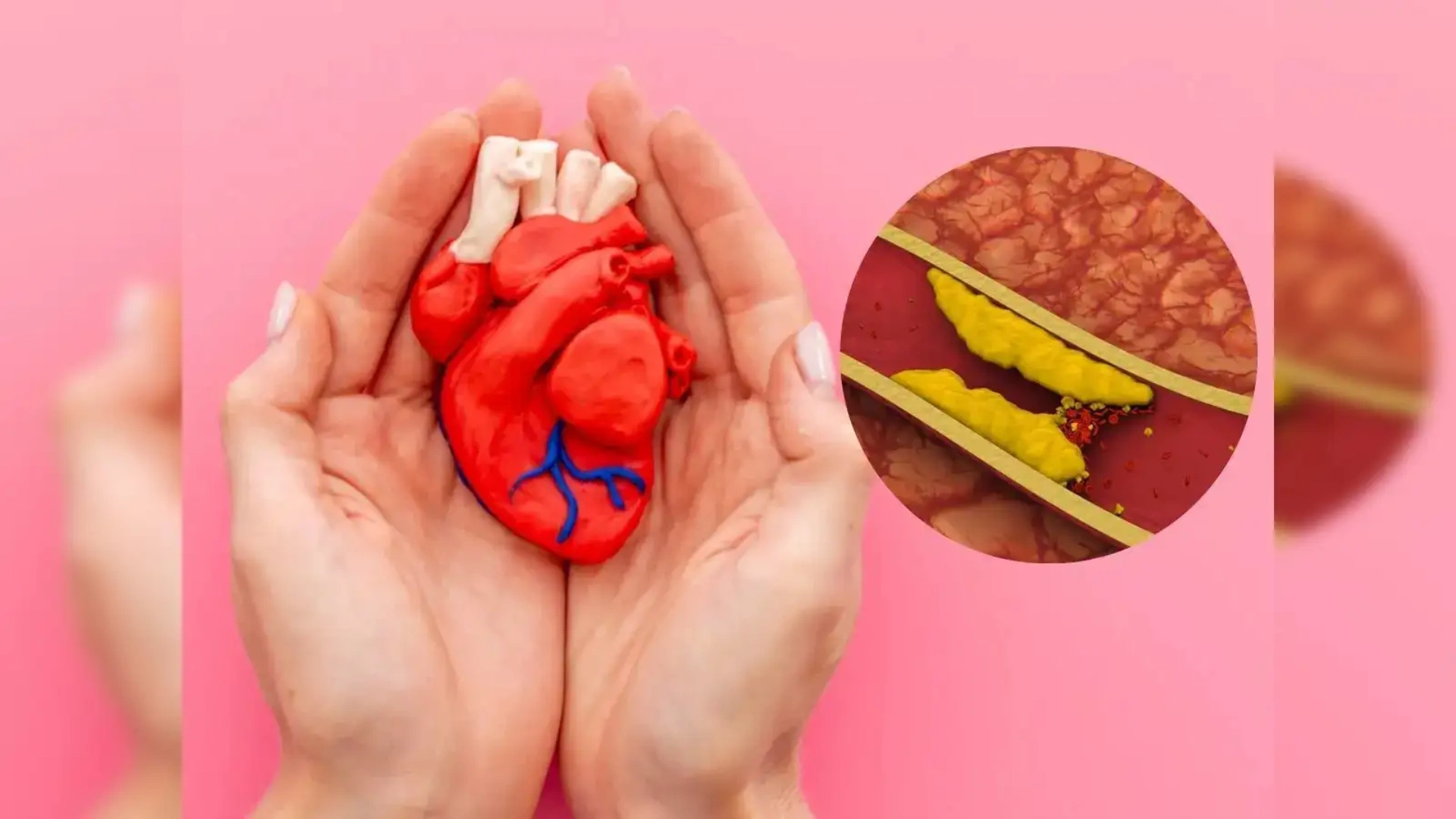
Chandigarh: Cholesterol, a substance usually associated with heart disease, may soon play a surprising role in powering next-generation electronics. A new study has found that cholesterol can help control the spin of electrons, a quantum property vital for the development of spintronic materials used in advanced, energy-efficient devices.
Cholesterol As A Spintronic Platform
Researchers at the Institute of Nano Science and Technology (INST), Mohali, discovered that cholesterol provides an ideal platform for building spintronic materials. Unlike conventional electronics that rely solely on electrical charge, spintronics also exploits the intrinsic spin of electrons, making devices faster, greener, and more efficient.
By combining cholesterol with different metal ions, the team was able to create nanomaterials capable of selectively filtering electron spins. Both spin directions could be controlled within the same system, opening doors for tunable spin information flow in bio-electronic devices.
How It Works
Dr. Amit Kumar Mondal, who led the study, explained that the intrinsic handedness and flexibility of cholesterol allow precise control over molecular properties. By altering the type and concentration of metal ions, scientists could regulate the orientation of electron spins — a critical breakthrough for memory chips, data storage, and quantum technologies.
Potential Applications
The findings suggest cholesterol-based materials could enable:
- Energy-efficient memory chips for greener computing
- Bio-electronic devices that integrate with natural systems
- Advanced spin technologies with tunable electron flow
The research has been published in Chemistry of Materials, a peer-reviewed journal, and was highlighted by India’s Ministry of Science and Technology as a significant step in developing sustainable quantum materials.
Image Source: Google | Image Credit: Respective Owner