A new marine survey has revealed fragile deep-sea ecosystems off the coast of Cyprus that are already showing signs of damage from human activity.
The UK-funded MESOPHOS project, carried out by the Marine & Environmental Research (MER) Lab, mapped mesophotic ecosystems around Akrotiri and Dhekelia – areas of British Overseas Territory on the island. These habitats, found 50 to 200 metres below the surface, exist in a “middle light” zone where some sunlight reaches but conventional photosynthesis is limited.
A refuge for marine life
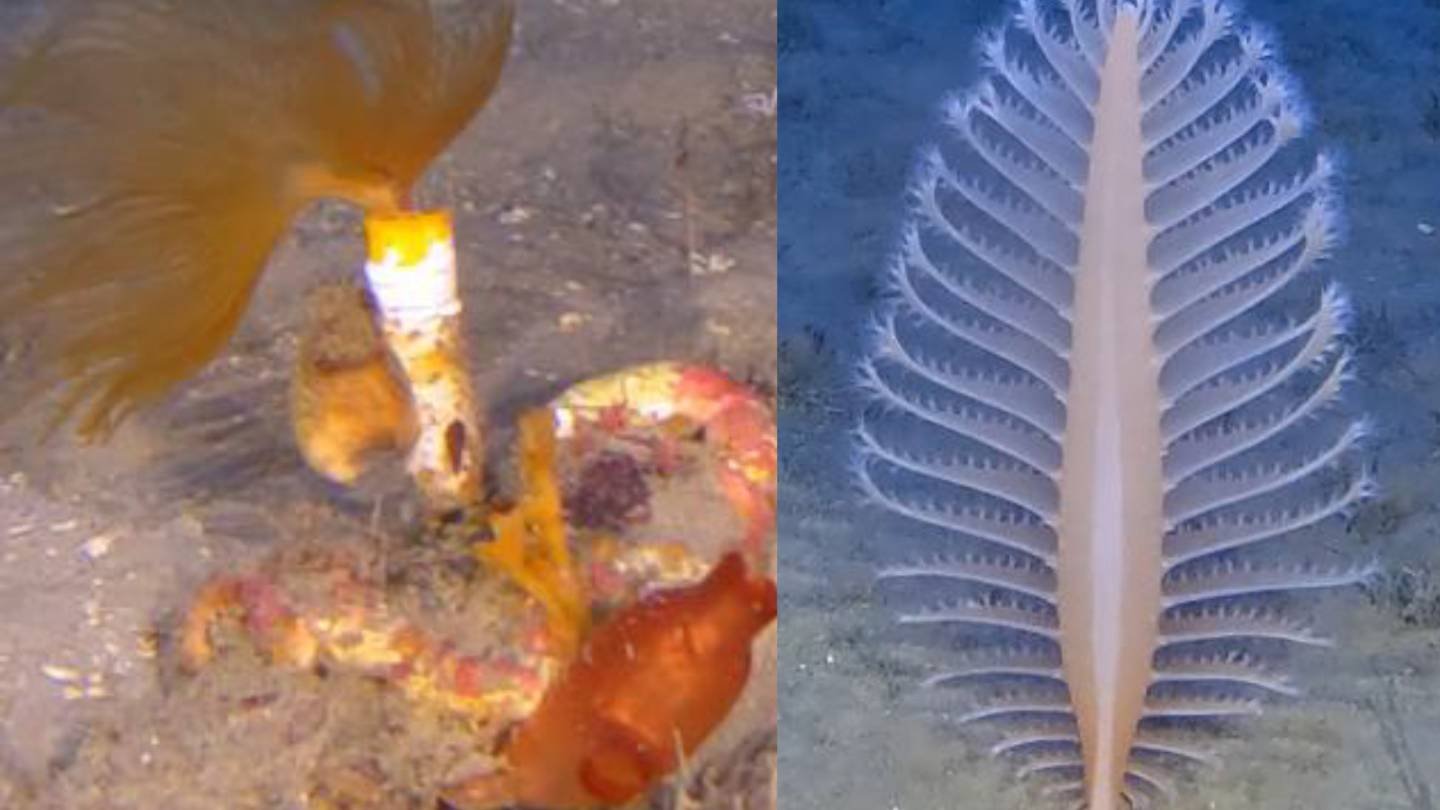
Researchers used remotely operated vehicles to explore 32 sites, recording more than 200 species – some never before documented in Cyprus. The team discovered diverse communities of sponges, anemones, sea pens and fragile corals, including slow-growing species like gorgonians and hydroid corals, many of which are considered threatened.
Scientists say these ecosystems may serve as important refuges for marine species as shallow-water reefs continue to degrade.
Human impact visible even at depth
Despite their depth, the survey showed clear traces of human activity. Researchers found litter such as drinks cans, abandoned fishing gear, and signs of destructive bottom trawling. They also observed invasive species and coral die-offs, likely linked to rising ocean temperatures.
“These habitats are extremely slow-growing and highly vulnerable,” explained Christina Michail, a marine biologist at MER Lab. “We recorded trawling marks, sediment disturbance, and a reduced diversity of marine life, showing that even deep habitats are not protected from human pressure.”
Calls for urgent protection
Experts are urging immediate action to safeguard these rare habitats. The team recommends banning destructive fishing methods, especially bottom trawling, in areas with sensitive ecosystems like maerl beds and coralligenous reefs. They also stress the importance of detailed mapping, long-term monitoring, and wider surveys to better understand and protect Cyprus’s underwater biodiversity.
“These findings highlight the urgent need to protect deep-sea ecosystems before more damage is done,” Michail added.
Image Source: Google | Image Credit: Respective Owner