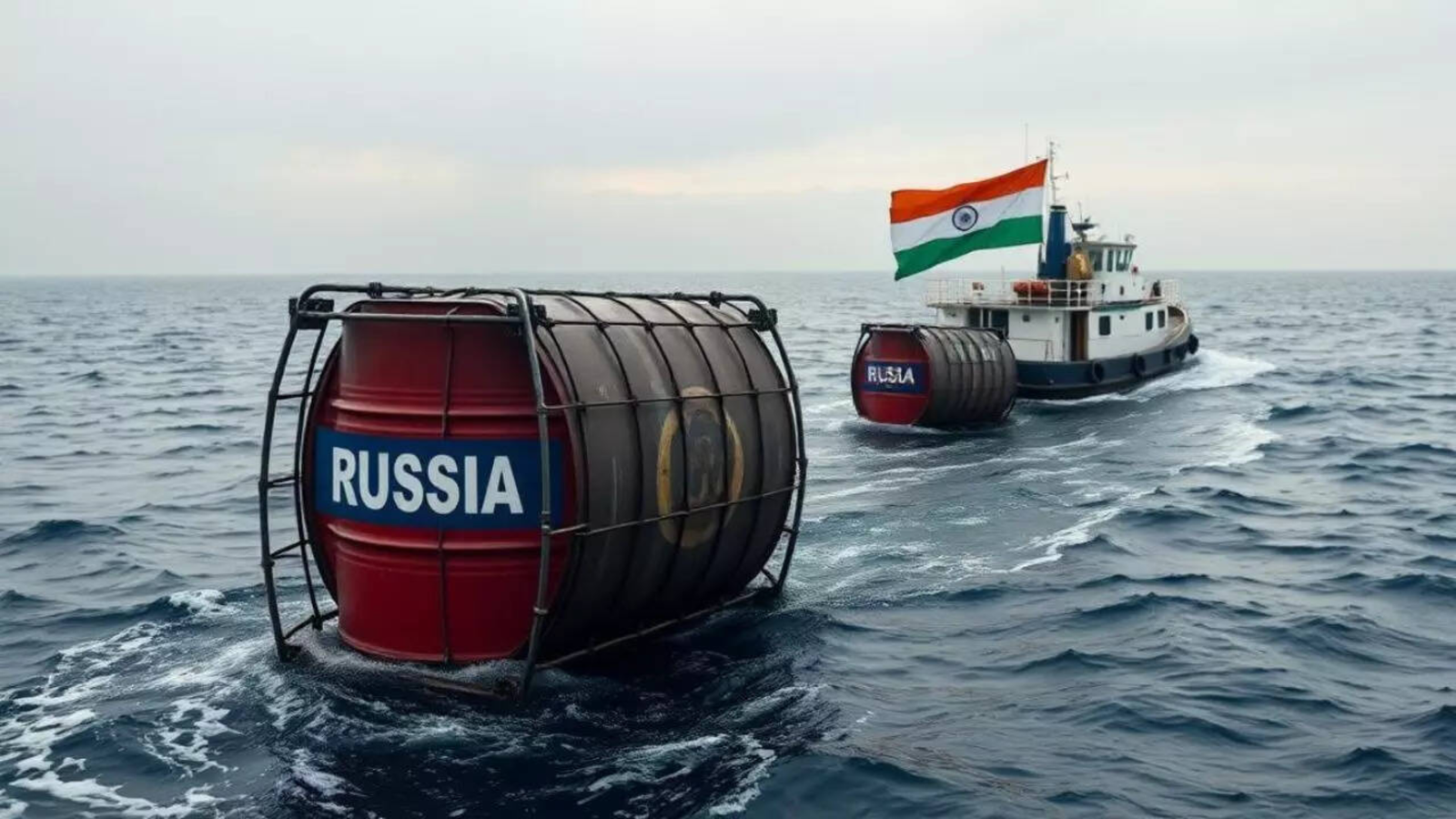
India’s increasing reliance on Russian oil imports has become a focal point of international discussion, raising questions about the nation’s geopolitical strategy and its economic priorities amidst a complex global landscape. Sky News Australia reports on the implications of India’s actions, suggesting that the country is attempting to “flex its muscles” on the world stage through its energy procurement decisions. While the article frames this as a display of power, the situation is multifaceted, encompassing economic factors, historical relationships, and the evolving dynamics of international trade.
Since the onset of the conflict in Ukraine and the subsequent imposition of sanctions on Russia by Western nations, India has significantly increased its intake of discounted Russian crude oil. This has allowed India to secure a vital energy source at a reduced cost, thereby mitigating the impact of rising global energy prices on its domestic economy. For a rapidly developing nation with a massive population, affordable energy is a critical component of sustained economic growth and stability. This economic imperative often outweighs the political considerations associated with maintaining strong alliances with Western powers who advocate for isolating Russia.
However, India’s approach is not without its critics. Concerns have been raised regarding the potential for India to inadvertently undermine the effectiveness of sanctions aimed at curtailing Russia’s ability to finance its military operations. Western nations have expressed their reservations, urging India to reconsider its stance and to reduce its dependence on Russian oil. These appeals often highlight the importance of a unified front in addressing what they perceive as a violation of international norms and principles.
India, on the other hand, defends its position by asserting its sovereign right to pursue its own national interests. Indian officials have repeatedly emphasized that their primary responsibility is to ensure the energy security of their citizens and to foster economic growth. They argue that diversifying their energy sources, including purchasing oil from Russia, is a pragmatic approach to achieving these goals. Furthermore, India maintains that its engagement with Russia is not intended to undermine existing international alliances or to endorse the actions of the Russian government.
The situation underscores the complex balancing act that India must perform in navigating the current geopolitical environment. As a major player in the global arena, India faces increasing pressure to align its foreign policy decisions with the expectations of its Western partners. However, India’s own strategic priorities and historical ties with Russia also play a significant role in shaping its approach. The future trajectory of India’s relationship with Russia, particularly in the energy sector, will undoubtedly have far-reaching implications for the global balance of power and the effectiveness of international sanctions regimes.
Image Source: Google | Image Credit: Respective Owner