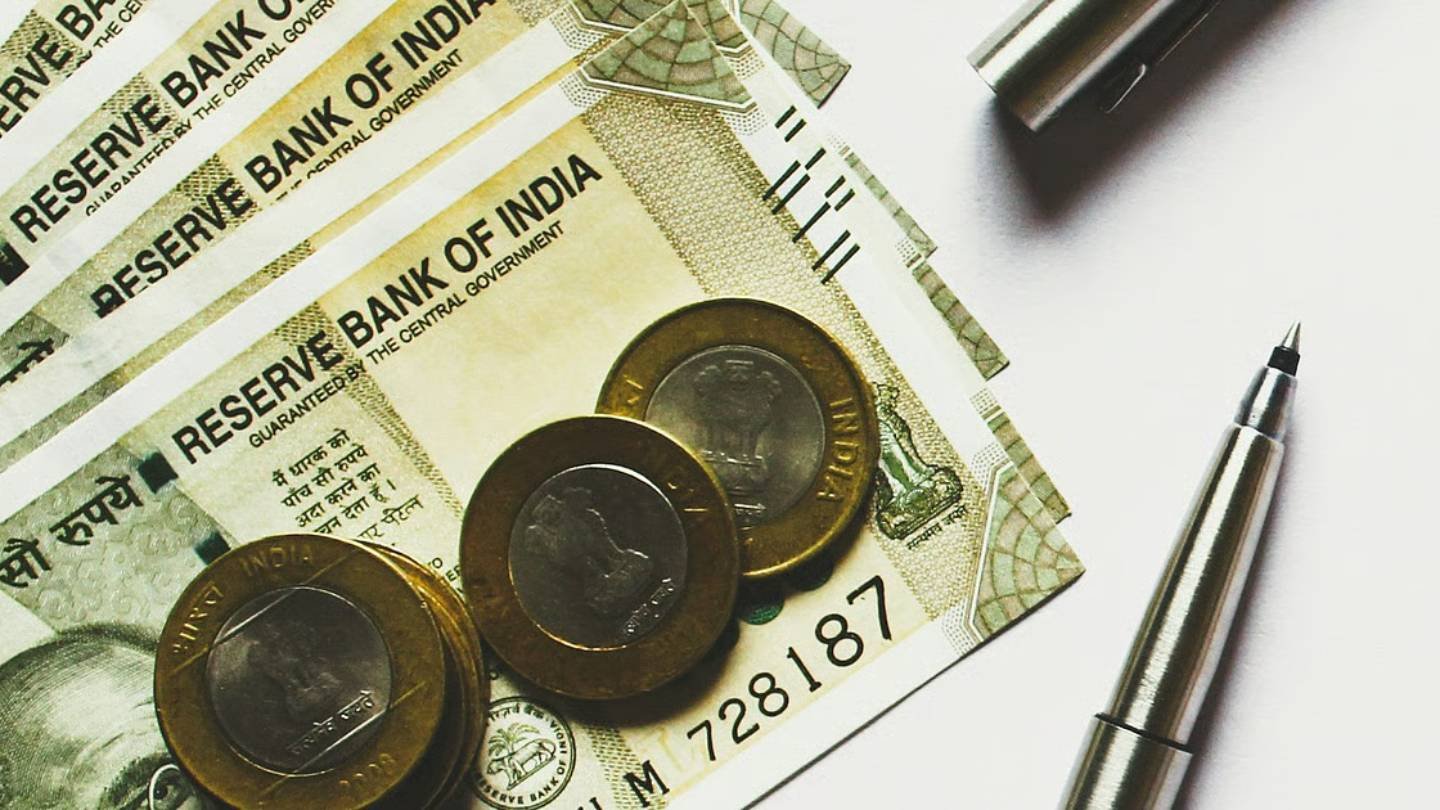
On Friday, the Indian rupee hit a new record low, breaching the 88 mark against the US dollar for the first time. The rupee reached an intra-day low of 88.31 before slightly recovering to close at 88.20. This marked a 57-paise decline from its previous close of 87.63, making it the sharpest single-day drop in the currency in three months.
Forex dealers pointed out that the loss could have been even more significant if it weren’t for the Reserve Bank of India’s (RBI) intervention. KN Dey, a forex consultant, explained that the rupee breached the earlier all-time low of 87.94, triggering stop-loss orders and widespread dollar buying. While the RBI stepped in to calm the situation, the rupee closed at 88.20, marking a new low.
August ended with the rupee losing 0.68% against the dollar, extending its losing streak to four consecutive months. This continued depreciation follows a 25% hike in US tariffs, which has now doubled to 50%. The increased duties have raised concerns about India’s balance of payments, foreign inflows, and trade deficit, further weighing on the currency.
Concerns About Economic Growth and US Tariffs
There are growing concerns that India’s economic growth could fall below 6% for the current fiscal year if the US continues with the 50% tariff. The RBI had already lowered its growth forecast following the first round of tariff hikes, and another increase could lead to further downward revisions.
Market participants also noted panic buying by importers, while exporters canceled forward sell transactions due to US export restrictions. Foreign institutional investors (FIIs) remained net sellers, causing equity flows to turn negative. Exporters are expected to take several months to identify new markets to offset the impact of these tariffs.
“The storm is not over yet. The rupee will continue to remain under pressure,” said Dey. Data suggests that exports to the US contribute to 2.2% of India’s GDP, raising concerns that a slowdown in labor-intensive sectors could lead to job losses.
Image Source: Google | Image Credit: Respective Owner