Russia and China have strongly criticized Britain, Germany, and France for triggering a process that could lead to the reimposition of United Nations sanctions on Iran over its nuclear program.
The three European nations, collectively known as the E3, activated the “snapback mechanism” on Thursday, accusing Iran of violating the 2015 nuclear deal that aimed to curb its nuclear weapons potential in exchange for the lifting of international sanctions. This move opens a 30-day window during which a new UN resolution must be adopted to extend sanctions relief, or penalties will be reimposed.
Russia condemned the actions of the European countries, calling on the international community to reject the move. The Russian Ministry of Foreign Affairs blamed the United States and European nations for the collapse of the nuclear deal, which has been a point of tension since the Trump administration’s decision to pull the US out of the agreement.
China echoed similar concerns, calling the European move “not constructive.” Foreign Ministry spokesperson Guo Jiakun warned that triggering the snapback mechanism would undermine efforts to resolve the Iranian nuclear issue through diplomatic and political means.
In Tehran, Iranian Foreign Minister Abbas Araghchi slammed the European move as “unjustified” and “lacking any legal basis.” Iran’s Foreign Ministry warned that this action would significantly damage its ongoing cooperation with the International Atomic Energy Agency (IAEA), the UN nuclear watchdog.
France, Germany, and the UK have insisted that Iran must restore access to UN nuclear inspectors, address concerns about its enriched uranium stockpile, and engage in talks with the US to avoid sanctions. However, Iran’s UN Ambassador Amir Saeid Iravani dismissed these demands as “unrealistic preconditions.”
The European sanctions push comes amid rising tensions over Iran’s nuclear ambitions, and the Iranian government has warned it could take drastic steps in response. Iranian lawmakers are reportedly drafting a law that would see the country withdraw from the Treaty on the Non-Proliferation of Nuclear Weapons (NPT) if the sanctions are reimposed. Such a move would mark a significant escalation in the dispute and potentially lead to a breakdown in further nuclear negotiations with the West.
Iran has long insisted that its nuclear program is for peaceful energy purposes, but the West remains skeptical, fearing Tehran’s ultimate goal is to build nuclear weapons. The 2015 deal, officially known as the Joint Comprehensive Plan of Action (JCPOA), sought to prevent this by imposing strict limits on Iran’s nuclear activities in return for sanctions relief. However, with the US withdrawal in 2018, the agreement has been increasingly strained.
As the situation develops, Iran’s potential exit from the NPT could lead to a further deterioration of relations with Europe and the broader international community, complicating efforts to resolve the nuclear crisis.
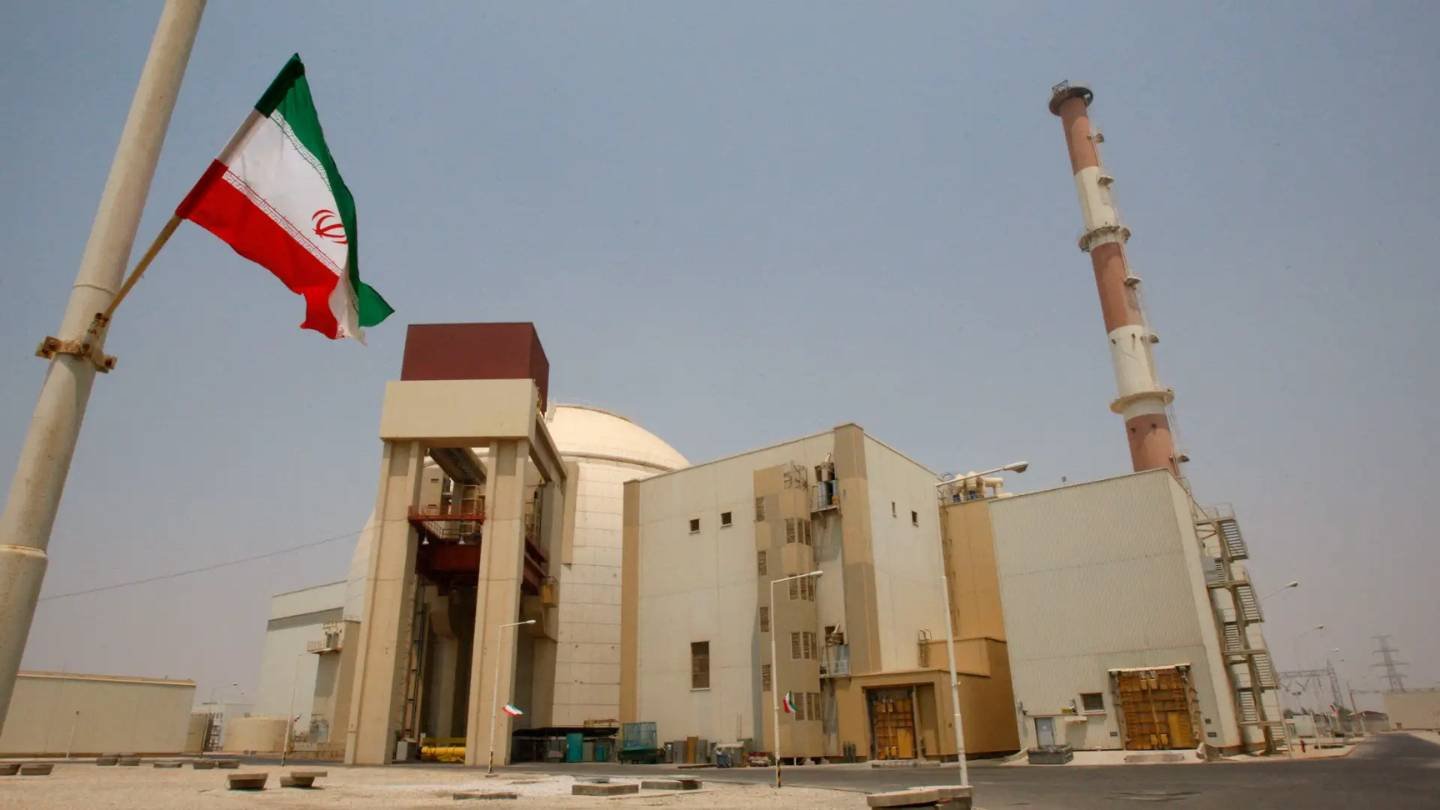
Image Source: Vahid Salemi/AP