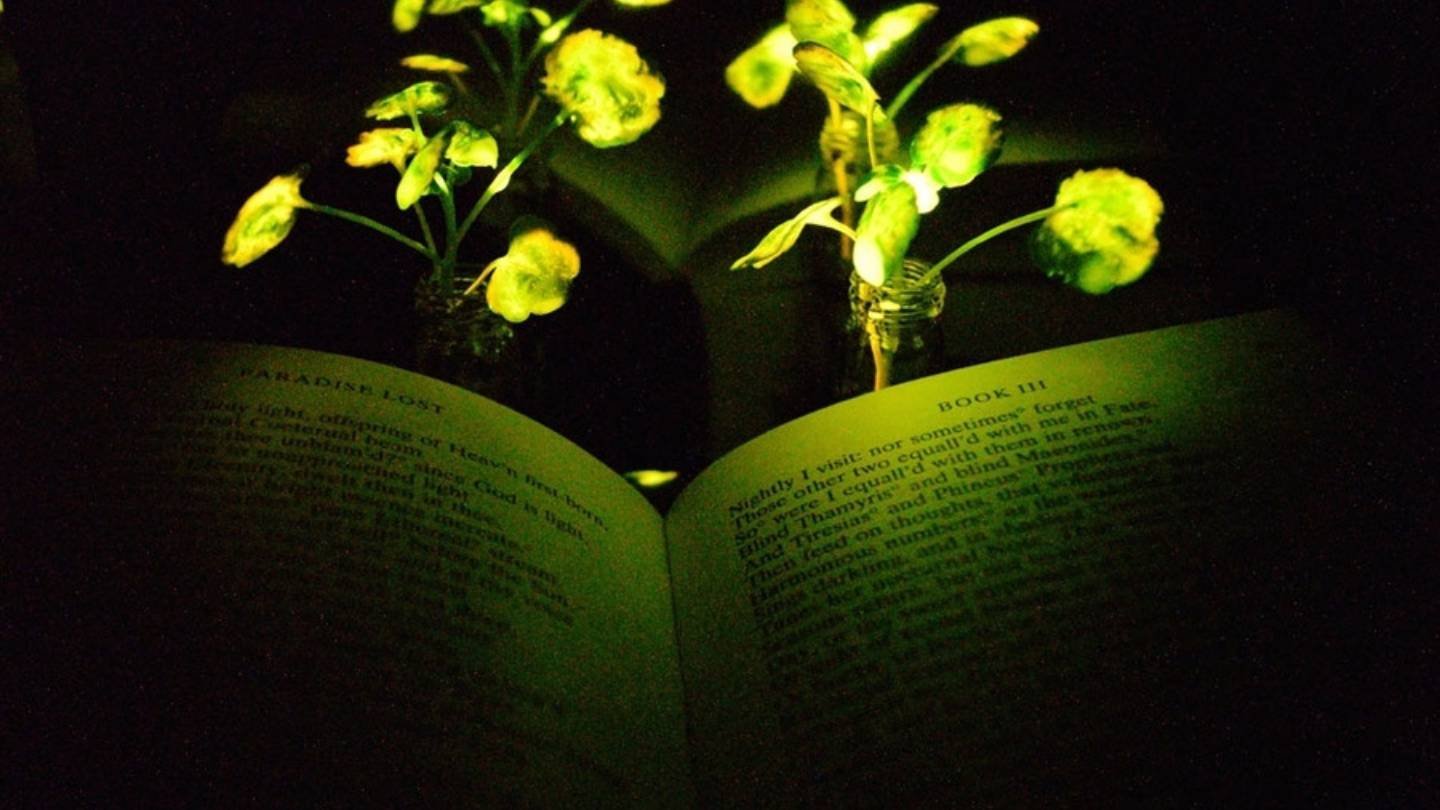
In a groundbreaking innovation, researchers have developed glowing succulents using afterglow phosphor particles, offering a sustainable and eco-friendly alternative to traditional lighting. These plants absorb sunlight or LED light and gradually release it, emitting a vibrant glow for up to two hours. This breakthrough could revolutionize lighting systems, potentially reducing energy consumption while transforming urban spaces and homes into bioluminescent environments.
How Do These Glowing Plants Work?
The glowing succulents shine in vivid shades of green, red, and blue, offering multicolor luminescence bright enough to rival small night lights. By incorporating afterglow phosphor particles—materials capable of absorbing and slowly releasing light—the plants emit a soft, sustained glow after exposure to light sources. Unlike previous attempts, these plants produce strong, uniform illumination without sacrificing their health.
The team from South China Agricultural University, led by Shuting Liu, developed these succulents with a special leaf microstructure that helps evenly distribute micron-sized phosphor particles throughout the plant. This unique setup ensures bright, multicolor luminescence that lasts up to two hours after being exposed to sunlight or LED light.
Potential Applications of Plant-Based Lighting
This technology not only offers a captivating aesthetic but also holds great promise in various fields:
- Sustainable Outdoor Lighting: Glowing plants could illuminate gardens, parks, or pathways, replacing conventional streetlights with eco-friendly options.
- Indoor Design: These bioluminescent plants could be used in decorative lighting for homes, creating ambient light walls or unique interior designs.
- Urban Architecture: Imagine entire cities lit up with glowing trees and plants, providing natural lighting while reducing energy consumption.
Future of Plant-Based Lighting
While the glow of these plants fades gradually, and long-term safety studies are still ongoing, this discovery has the potential to dramatically change how we think about lighting. In the future, larger plants and trees could be engineered to replace streetlights, creating an entirely new way to integrate nature and technology in urban landscapes.
Image Source: EurekAlert! | Image Credit: Respective Owner