In a groundbreaking achievement, a team of Australian scientists has successfully grown the world’s first fully functioning human skin in a laboratory. This advancement has the potential to revolutionize the treatment of skin diseases, burns, and grafts.
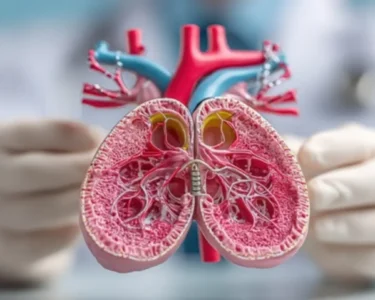
The research, led by scientists from the University of Queensland, utilized stem cells to create a life-like replica of human skin. The lab-grown skin includes essential features such as blood vessels, capillaries, hair follicles, nerves, tissue layers, and immune cells, making it a significant step forward in medical science.
Lead researcher Abbas Shafiee, a tissue engineering and regenerative medicine scientist at UQ’s Frazer Institute, described the skin model as the most life-like yet developed, offering a more accurate way to study diseases and test treatments. He emphasized that this model, which mimics natural human skin, will allow scientists to study diseases more closely, develop new therapies, and test treatments more effectively.
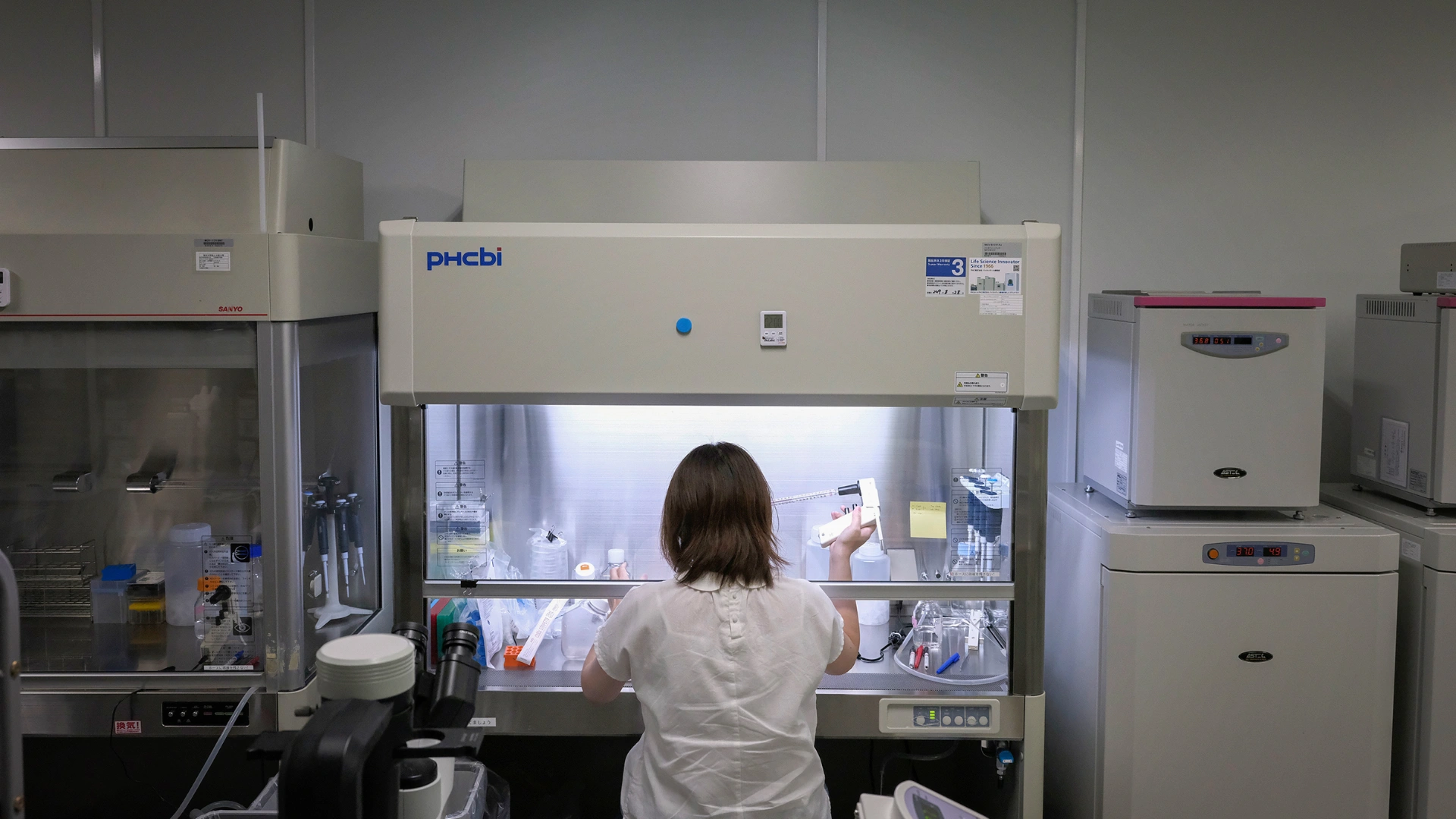
The creation process involved reprogramming human skin cells into stem cells, which can transform into any cell type in the body. These stem cells were then placed in petri dishes, where they grew into miniature versions of skin known as “skin organoids.” The team also developed tiny blood vessels, which were added to the growing skin, enabling it to develop like natural human skin.
The model, which took six years to develop, has the potential to improve skin grafts and treatments for various inflammatory and genetic skin disorders, such as psoriasis, atopic dermatitis, and scleroderma.
Co-author Professor Kiarash Khosrotehrani from UQ’s Frazer Institute stated that this breakthrough could provide new hope for patients with chronic skin conditions that have proven difficult to treat.
Image Source: Google | Image Credit: Respective Owner