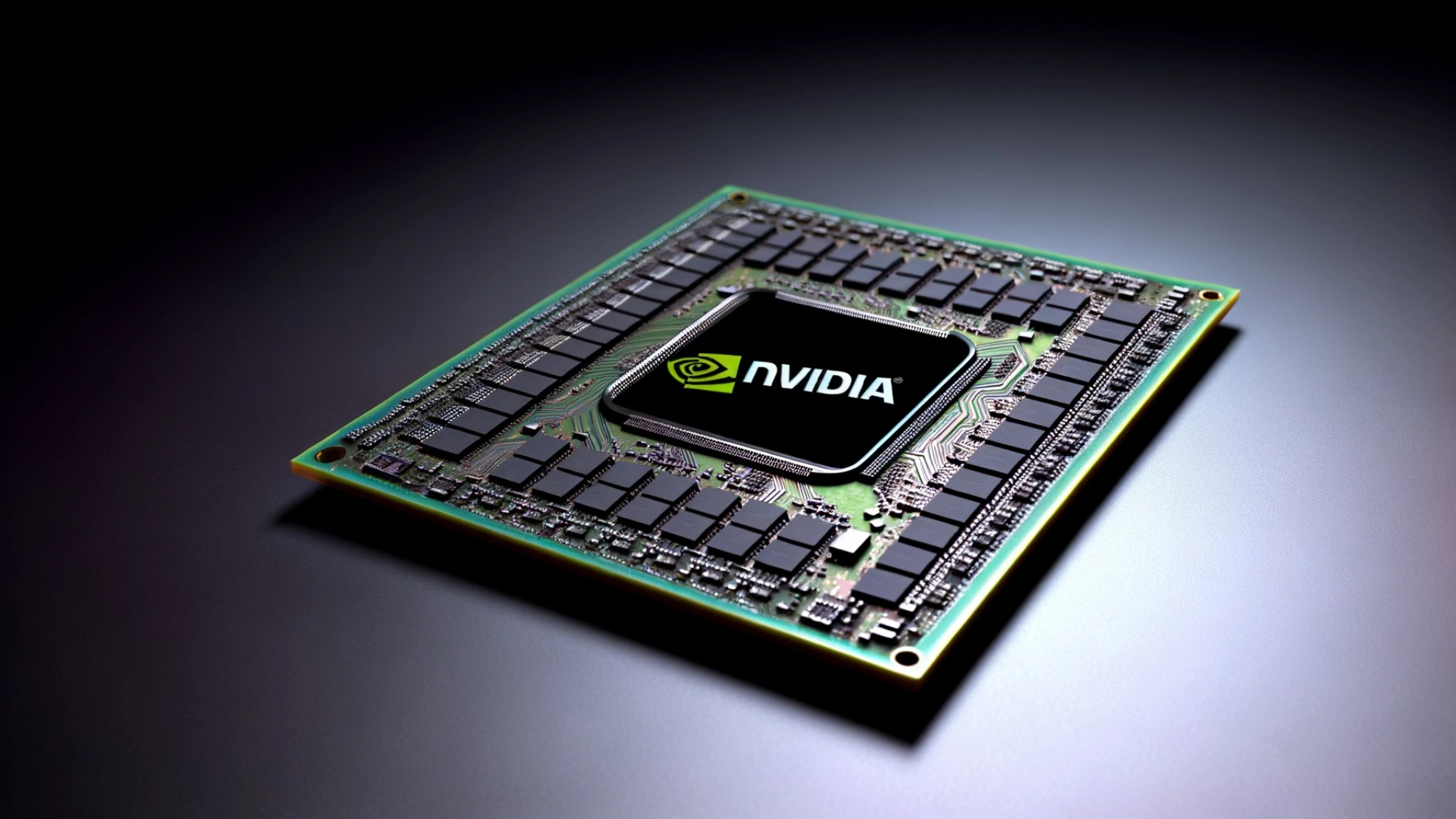
Nvidia has reportedly asked some of its key suppliers to pause production of its H20 chips, as tensions between the company and the Chinese government escalate. This comes after Beijing instructed local tech companies to stop purchasing the chips, citing national security concerns.
According to The Information, Nvidia has requested Amkor Technology, based in Arizona, and South Korea’s Samsung Electronics, which are involved in packaging and supplying memory for the H20 chips, to halt production. A separate report from Reuters added that Nvidia also instructed Foxconn to suspend work on the H20 chips. However, the companies have not immediately commented on the matter.
In response to inquiries, an Nvidia spokesperson stated, “We constantly manage our supply chain to address market conditions.”
Concerns Over Security and National Interest
This move comes weeks after the Chinese government reportedly raised alarms about the security of Nvidia’s H20 chips, suggesting that they may contain “backdoors” or tracking technology that could allow remote control. Nvidia has denied these allegations, with CEO Jensen Huang stating that there are no security vulnerabilities in the chips. He emphasized that Nvidia has provided sufficient clarification to the Chinese government and hoped that the issue would be resolved.
Nvidia had initially lobbied for export licenses to allow H20 sales to China, which had been effectively banned in April. While the U.S. government recently signaled that it would allow these exports with specific licenses, the situation remains precarious.
Market Implications
Nvidia has suffered significant losses due to these export restrictions. In May, the company took a $4.5 billion writedown on unsold H20 inventory. Without the export limitations, Nvidia estimated that its sales would have been $2.5 billion higher in the last financial quarter.
Despite these challenges, Nvidia continues to maintain that the H20 chips are not intended for military use or government infrastructure, and it asserts that they are designed for commercial purposes. Nvidia has also highlighted the importance of AI technology to both the U.S. and China’s economies, calling for the free flow of these technologies.
A Pivotal Moment for the AI Industry
The ongoing back-and-forth between Washington and Beijing underscores the geopolitical challenges Nvidia faces in its attempts to navigate the AI hardware market. Analysts have pointed out that Beijing’s actions could be a part of its broader strategy to achieve self-sufficiency in chip production and resist U.S. dominance in the AI space.
Despite these obstacles, Nvidia remains optimistic about its future in China, which remains a critical market for its products, particularly in AI and tech development.
Image Source: VCG/VCG via Getty Images