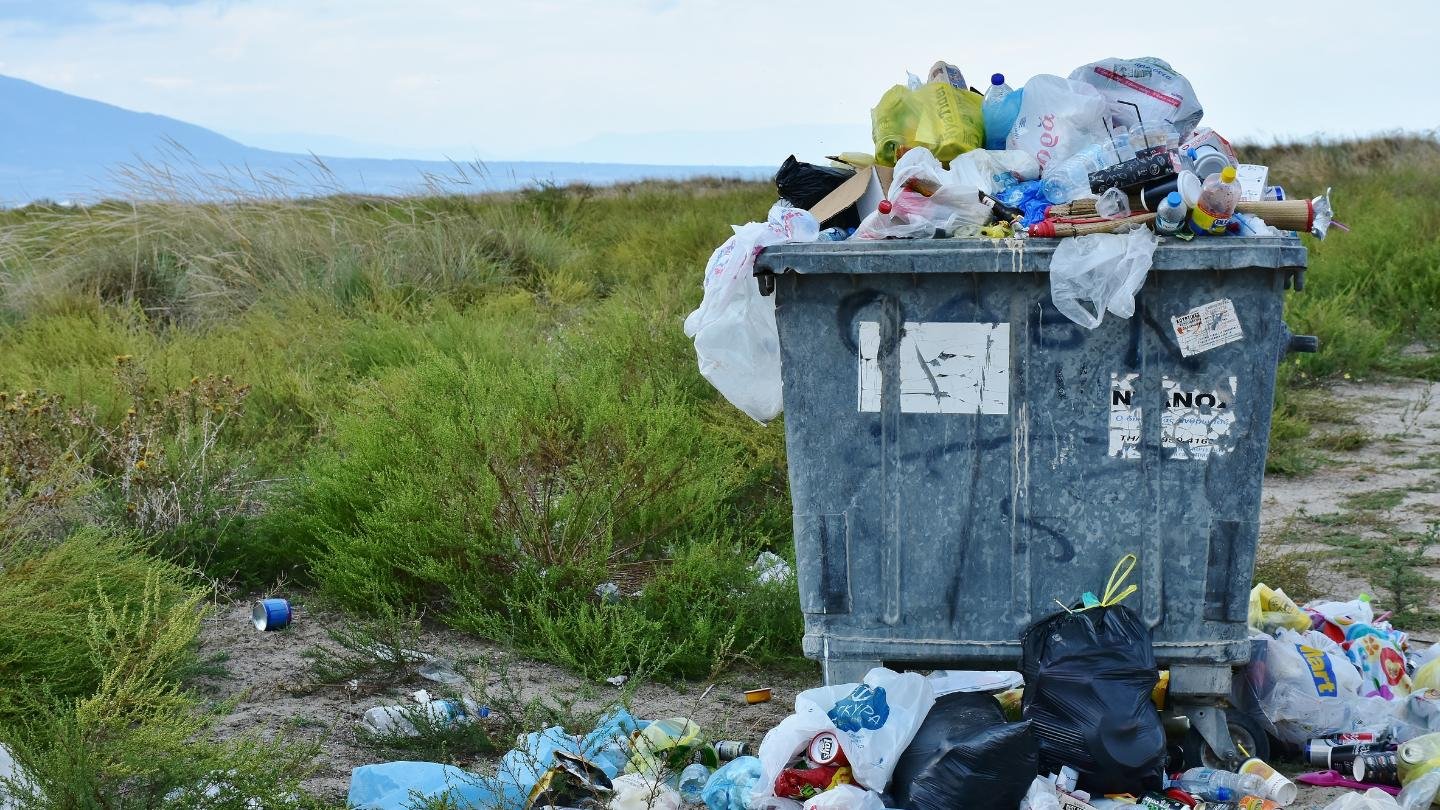
India is at a critical juncture in its fight against plastic pollution. With plastic consumption rising sharply, the country generates nearly 9 million tonnes of plastic waste every year, of which only a fraction is effectively recycled. Much of it ends up in overflowing landfills, rivers, and even burnt in the open, releasing toxic fumes. The situation calls for urgent action — not just through bans and rules but also by building a strong system that reduces plastic use at its source and promotes sustainable alternatives.
India’s Plastic Problem
- India is among the world’s top plastic polluters, producing more waste than countries like Nigeria, Indonesia, or even China.
- According to estimates, global plastic waste could nearly triple by 2060, and India will be a major contributor unless drastic steps are taken.
- Inefficient recycling, weak enforcement, and overdependence on single-use plastic packaging — especially from e-commerce — are making the challenge harder.
Where Do the Rules Stand?
Over the past decade, the government has introduced a series of Plastic Waste Management (PWM) Rules:
- 2016: Brought in Extended Producer Responsibility (EPR) and made segregation at source mandatory.
- 2018: Phased out multi-layered plastics and introduced producer registration.
- 2021: Banned single-use plastics (SUPs) like straws and cutlery.
- 2022 & 2024: Tightened recycling targets and introduced certification for biodegradable plastics.
On paper, these rules are progressive. But on the ground, weak enforcement and poor infrastructure limit their impact.
Key Challenges
- Poor Recycling Systems – Over 75% of waste still lands in dumps like Delhi’s Ghazipur landfill. Informal workers handle most recycling, but without proper recognition or safety.
- Weak EPR Framework – Loopholes and fake certificates undermine accountability. Many big producers underreport or bypass collection responsibilities.
- Packaging & E-Commerce Boom – Online shopping alone generated 1.2 million tonnes of plastic waste in 2023, much of it non-recyclable.
- Lack of Alternatives – Bioplastics and eco-friendly cutlery exist but remain expensive and less accessible.
- Low Public Awareness – Only 17% of Indian households practice proper segregation; most are unaware of SUP bans.
What Needs to Change?
- Decentralised Waste Management: Ward-level recovery centres with AI-powered sorting to reduce landfill pressure.
- Stronger EPR Compliance: Digital tracking and third-party audits to make polluters accountable.
- Support for Alternatives: Subsidies for biodegradable packaging and linking farmers to agro-waste industries for sustainable solutions.
- Integration of Informal Sector: Recognise waste pickers as environmental workers, provide safety gear and financial support.
- Tech-Driven Enforcement: Use AI, mobile apps, and citizen reporting to catch violators of plastic bans.
- Public Awareness Campaigns: Large-scale education, school-level programs, and incentive models like Indore’s waste segregation rewards.
The Road Ahead
India’s path to a plastic-free future depends on collaboration between government, industry, and citizens. Cutting plastic use at the source, investing in recycling technology, and pushing sustainable alternatives are crucial steps. Most importantly, public behaviour has to shift — from convenience-driven plastic use to conscious, eco-friendly consumption.
By building a circular economy and treating waste as a resource, India can not only tackle its plastic problem but also set an example for the world.
📷 Image Source: Google | Image Credit: Respective Owner