New Delhi – India is preparing to ease restrictions on business visas for Chinese executives, a move seen as a significant step in repairing strained bilateral relations that deteriorated after the 2020 border clashes.
According to officials quoted in industry circles, applications from top executives of companies such as Vivo, Oppo, Xiaomi, BYD, Haier, and Hisense are likely to be approved soon, ending a nearly five-year freeze on such clearances.
Why the Change Now?
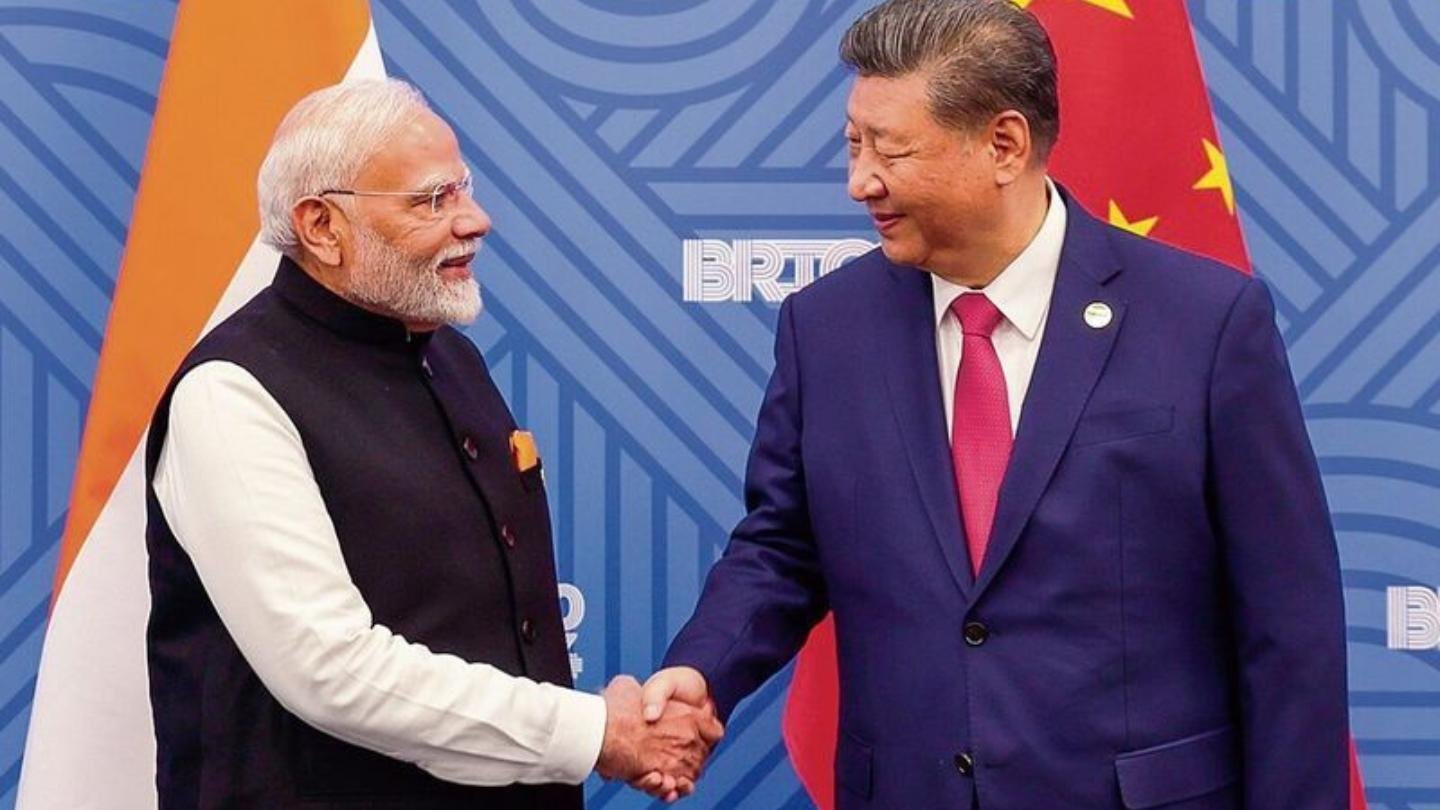
The decision comes amid improving ties between New Delhi and Beijing, reinforced by reciprocal ministerial visits, renewed discussions on border management, and the planned visit of Prime Minister Narendra Modi to Tianjin later this month for the Shanghai Cooperation Organisation (SCO) summit, where he will meet President Xi Jinping.
The move also coincides with global trade tensions, including steep US tariffs on India, prompting New Delhi to diversify and strengthen partnerships with key trade players.
Impact on Companies
The visa restrictions, first imposed after the border incident, had disrupted operations for many Chinese companies in India. Senior executives were forced to manage remotely, with frequent delays in decision-making.
- Xiaomi, Vivo, Oppo, Realme: Top India executives like Jerome Chen (Vivo India), Figo Zhang (Oppo India), and Michael Guo (Realme India) have largely managed operations from abroad.
- BYD India: The EV maker has struggled to get approvals for two Chinese board members required under the Companies Act, which mandates at least one director spend 182 days in India annually.
- Carrier Midea (US-China JV): The firm has been waiting three years to secure approval for a Chinese deputy managing director.
Industry insiders said easing visa rules will provide a “welcome relief”, helping accelerate decision-making, joint ventures, and technical collaborations.
Broader Business Ecosystem
Visa restrictions also forced Chinese companies to appoint more Indian professionals to senior roles, while Indian manufacturers such as Dixon Technologies, PG Electroplast, Amber Enterprises, and Epack Durable frequently traveled to China for technical support.
China remains India’s largest supplier of electronic and auto components, accounting for 50–65% of inputs in India’s electronics industry. Strengthening this supply chain remains critical for India’s domestic manufacturing and its Production-Linked Incentive (PLI) schemes.
A Signal of Stability
Officials said most non-technical visa applications for senior roles are expected to clear standard approvals soon, though sensitive technical roles will continue to face scrutiny under Press Note 3 guidelines, which require multi-ministry clearance for Chinese investments.
A Xiaomi India spokesperson welcomed the development: “Our global leadership and key executives are eager to visit India again to deepen engagement and strengthen our understanding of the market.”
The Road Ahead
Both nations have also agreed to resume direct flights, expand tourism, and encourage joint ventures in non-sensitive sectors, signaling a thaw after years of mistrust. While border issues remain unresolved, industry watchers say the easing of visas could pave the way for a broader revival in India–China trade and investment ties.
Image Source: Google | Image Credit: Respective Owner