Nepal has reached a remarkable milestone: the World Health Organization (WHO) has officially declared rubella eliminated as a public health problem in the country. This success is the result of years of persistent vaccination campaigns, strong surveillance systems, and community participation.
Dr. Catharina Boehme, officer-in-charge of WHO’s South-East Asia office, said,
“Nepal’s success reflects the unwavering commitment of its leadership, persistent efforts of the healthcare workers and volunteers, and unstinting support of engaged and informed communities.”
What is Rubella and Why Does it Matter?
Rubella, or German measles, is a contagious viral infection that causes mild fever and rash but is especially dangerous during pregnancy. If contracted by pregnant women, it can cause Congenital Rubella Syndrome (CRS) in newborns, leading to birth defects such as deafness, cataracts, heart conditions, and developmental delays. Eliminating rubella is therefore a global health priority.
How Nepal Achieved It
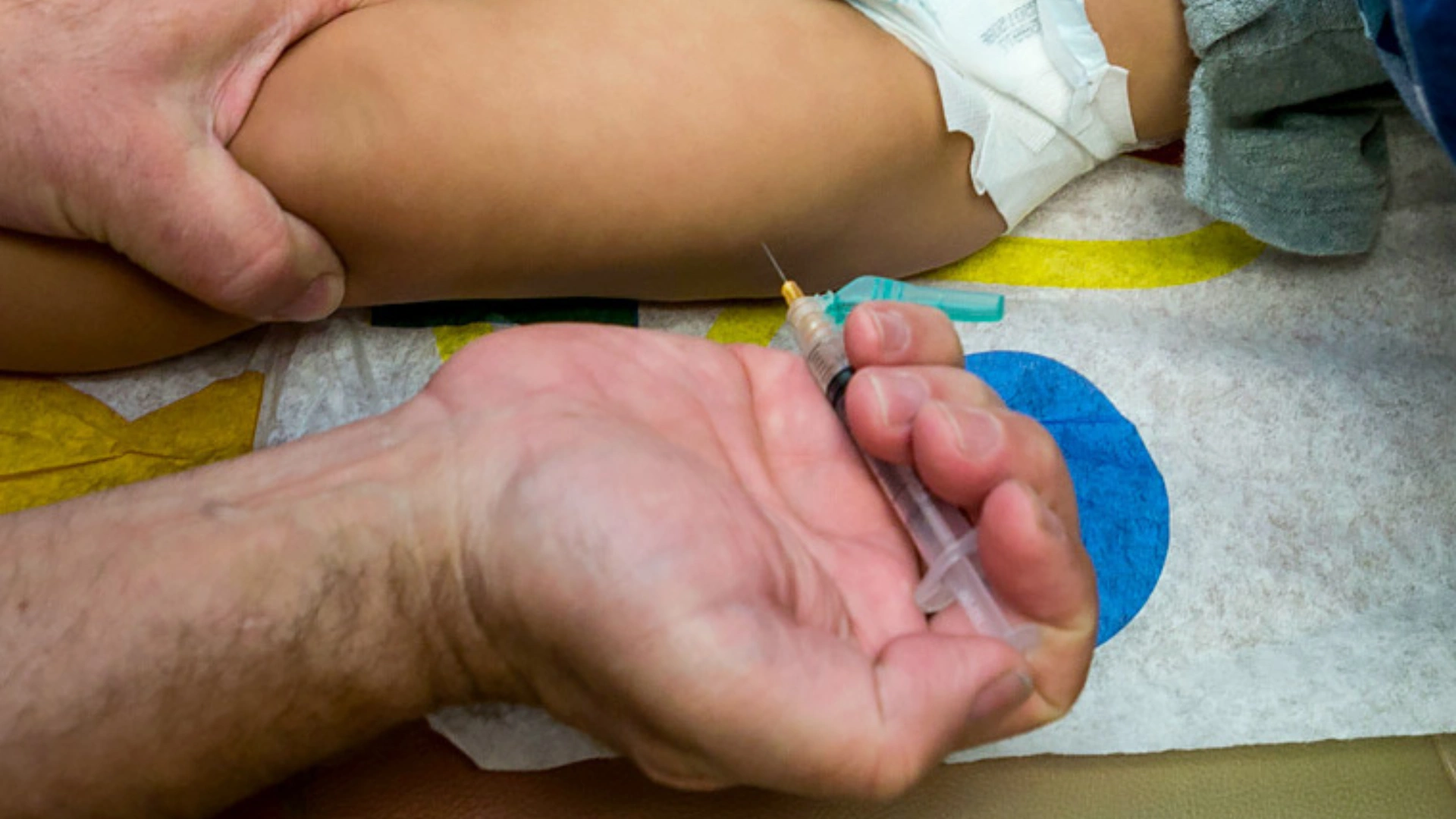
Nepal introduced the rubella vaccine in 2012, initially targeting children aged 9 months to 15 years. A second dose was added in 2016, and four nationwide vaccination drives (2012, 2016, 2020, and 2024) ensured high coverage.
By 2024, Nepal had achieved 95%+ vaccine coverage, meeting WHO’s elimination benchmark. Innovative measures like “immunisation month,” district incentives for full coverage, and community-based outreach boosted the program’s success. Strong lab-based surveillance further ensured every suspected case was tracked and investigated.
With this milestone, Nepal now joins Bhutan, DPR Korea, the Maldives, Sri Lanka, and Timor-Leste as countries in WHO’s South-East Asia Region that have eliminated rubella.
Where Does India Stand?
India has made major strides, but rubella elimination is still underway.
- National Immunization Framework: Since 2017, India’s Universal Immunization Programme (UIP) includes the Measles-Rubella (MR) vaccine, given free in two doses.
- Coverage: As of 2024–25, India has reached 93.7% coverage for the first MR dose and 92.2% for the second—just shy of WHO’s 95% target.
- District Progress: In early 2025, 332 districts reported zero measles cases, while 487 reported zero rubella cases—showing elimination is within reach.
- Campaigns: India launched the National Zero Measles-Rubella Elimination Campaign in 2025, using multilingual materials, digital outreach, and the “ACT NOW” policy to vaccinate every child.
- Recognition: In 2024, India received the Measles and Rubella Champion Award for strong immunization leadership.
- Mass Drives: Since 2017, over 348 million children have been vaccinated against measles and rubella, with targeted campaigns in high-risk regions.
- Surveillance: India has strengthened disease surveillance through lab networks and fever-rash case monitoring, supported by WHO’s Public Health Network.
- State Example: Kerala’s May 2025 MR campaign used mobile booths and community initiatives, achieving 92% coverage for the first dose and 87% for the second, focusing on hard-to-reach groups.
What Next?
Public participation is now critical. Parents must ensure children get both MR doses, support vaccination drives, and report suspected cases.
Nepal’s success shows that consistent leadership, community support, and strong immunization programs can eliminate rubella. With sustained efforts, India is on track to achieve elimination by 2026, protecting future generations from preventable suffering.
Source: NDTV | Credit: Shreya Goswami