Moscow: Russia is set to launch a groundbreaking biological research mission, sending 75 mice, 1,000 fruit flies, plant seeds, algae, microorganisms, and cell cultures into orbit to study the effects of cosmic radiation on living organisms.
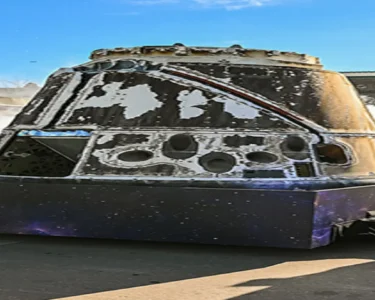
The mission, jointly conducted by Roscosmos and the Institute of Biomedical Problems, will use the Bion-M No. 2 biosatellite, scheduled to launch on August 20 from the Baikonur Cosmodrome in Kazakhstan aboard a Soyuz rocket. The satellite will orbit Earth for 30 days in a radiation-intense region, nearly 30% higher than that of the International Space Station (ISS).
‘Miniature Hotel’ for Mice
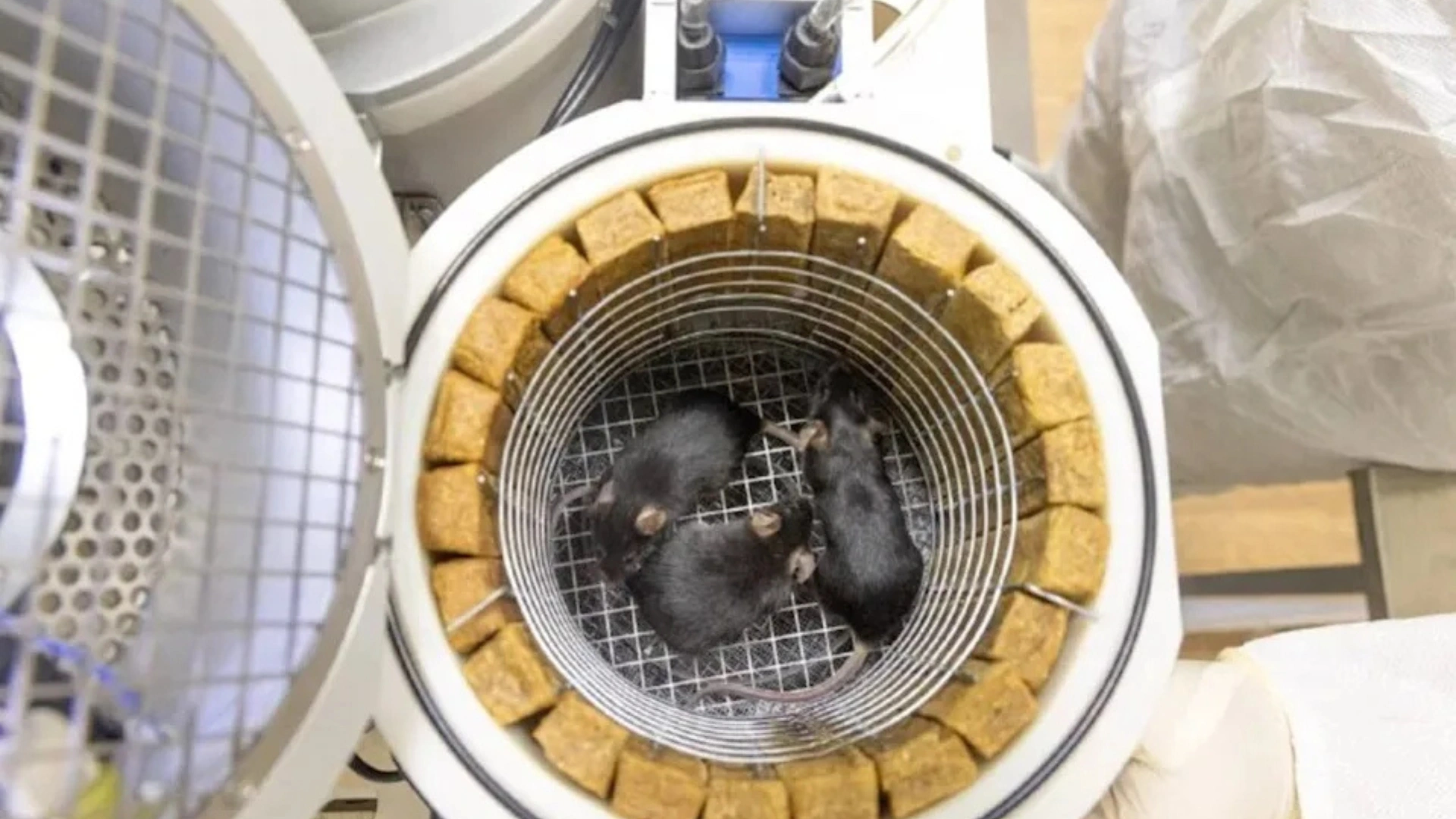
The 75 mice will live inside a specially designed unit Roscosmos describes as a “miniature hotel”, equipped with lighting, ventilation, food dispensers, hydration systems, and waste disposal mechanisms. Four modules will provide paste-based meals, while one unit will serve “premium passengers” dry food and water in gel form.
Cameras, sensors, and implanted chips will monitor the mice’s metabolism, immunity, and hormone levels. The study will compare three groups of mice:
- Earth Control: Living in normal conditions.
- Ground Hardware: Living in identical units on Earth.
- Space Group: Living inside the biosatellite.
Why It Matters
Cosmic radiation is one of the biggest obstacles to long-duration human spaceflight. Earth’s atmosphere and magnetic field shield humans from most harmful radiation, but astronauts traveling to the Moon or Mars face much higher exposure.
Dr. Dimitra Atri, principal investigator at NYU Abu Dhabi’s Space Exploration Lab, said:
“Space radiation is relentless and deeply underestimated. Without aggressive research, our dreams of living and working beyond low Earth orbit will remain fantasies.”
Soviet Legacy & Future Goals
This mission follows Russia’s decades-long tradition of sending animals into space, starting with Laika the dog aboard Sputnik 2 in 1957. The first Bion-M satellite, launched in 2013, carried mice and geckos for a similar 30-day study.
With NASA’s Artemis program, China’s push for a lunar research base, and Russia’s own lunar ambitions, this experiment aims to provide crucial data for protecting astronauts on future Moon and Mars missions.
Image Source: Google | Image Credit: Roscosmos / Telegram