Geneva, August 15: Efforts to finalise a landmark global treaty on plastic pollution collapsed on Friday, as negotiators from 185 nations failed to reach consensus after working through the night. The deadlock leaves the world without a unified plan to address the rapidly worsening plastic crisis.
Sticking Points: Production vs. Waste Management
The main rift was between the High Ambition Coalition—which includes the EU, UK, Canada, and several African and Latin American nations—that pushed for reducing plastic production and phasing out toxic chemicals, and a bloc of oil-producing states such as Saudi Arabia, Kuwait, Russia, Iran, and Malaysia, who argued the treaty should focus narrowly on waste management.
“We have missed a historic opportunity, but we must keep going. The planet and future generations need this treaty,” said Cuba.
Colombia accused a “small number of states” of consistently blocking progress, while Tuvalu, speaking on behalf of 14 Pacific island nations, warned the collapse means millions of tonnes of plastic will continue to choke their oceans, threatening ecosystems and livelihoods.
Frustration Among Supporters
France’s Ecological Transition Minister Agnes Pannier-Runacher voiced anger, blaming oil-producing countries for blocking an ambitious deal.
“Guided by short-term financial interests, they have chosen to look the other way,” she said.
South Africa and the EU insisted negotiations must continue, with the EU calling the latest draft “a good basis for a resumed session.”
Talks in Disarray
The Geneva round—convened after a similar collapse in South Korea last year—opened on August 5 with high hopes. But when a draft text was released midweek, both sides rejected it outright:
- The High Ambition group said it had been stripped of impact.
- The Like-Minded Group (oil states) said it overstepped and lacked clear scope.
By early Friday morning, despite frantic overnight talks, the process collapsed once again.
The Bigger Picture: A Growing Plastic Crisis
- 400 million tonnes of plastic are produced annually.
- 50% is for single-use items.
- Only 9% of plastic waste is recycled.
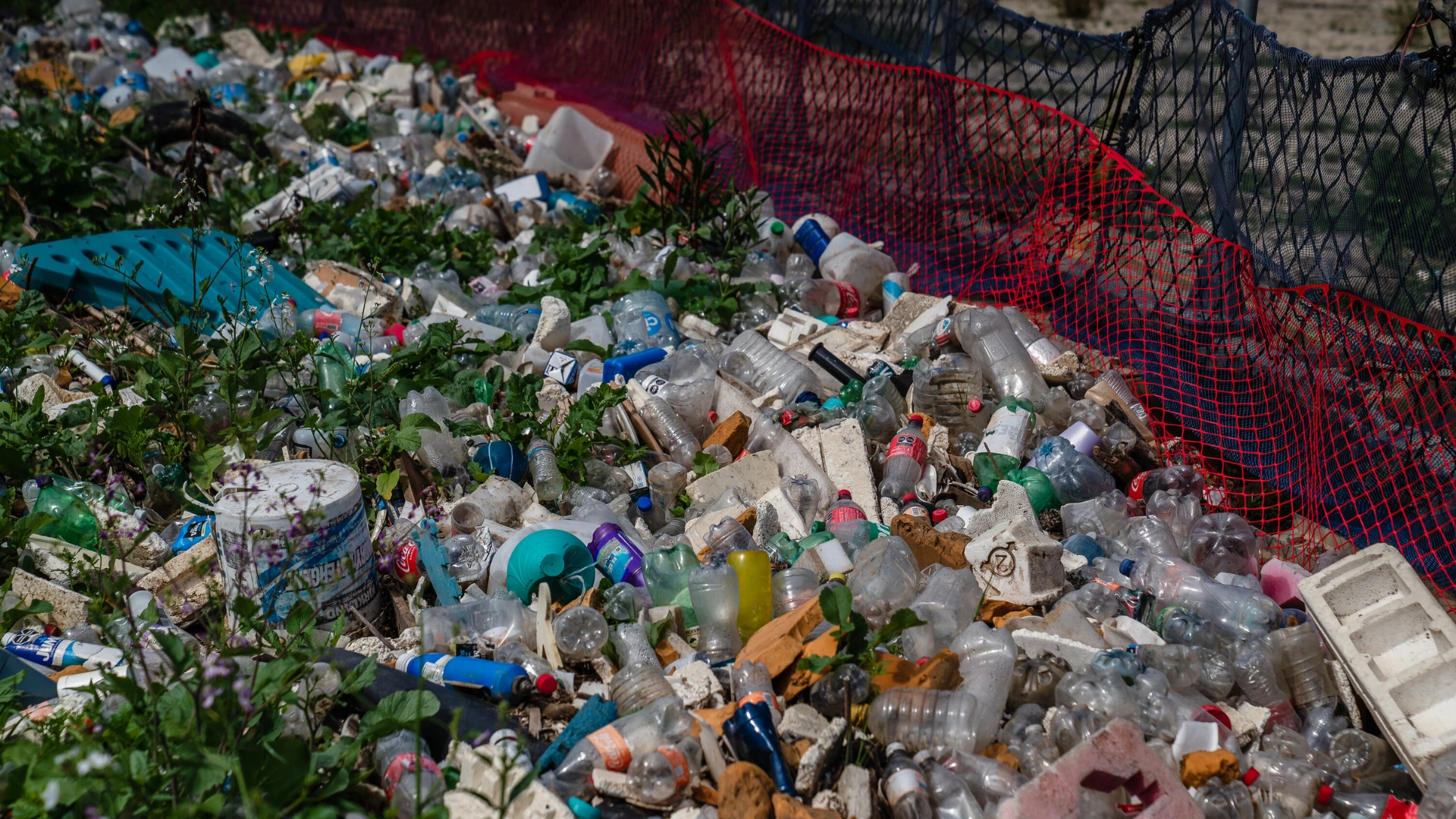
- 46% ends up in landfills, 17% is incinerated, and 22% leaks into the environment.
Microplastics are now found everywhere—from mountain peaks to deep ocean trenches—and even inside the human body. The OECD warns that by 2060, annual plastic production could nearly triple to 1.2 billion tonnes, with waste topping 1 billion tonnes.
What’s Next?
The future of the treaty remains uncertain. Some countries are calling for a seventh round of negotiations, but no timeline has been agreed. Environmental groups warn that each failed round makes it harder to curb the crisis in time.
Image Source: Google | Image Credit: Respective Owner