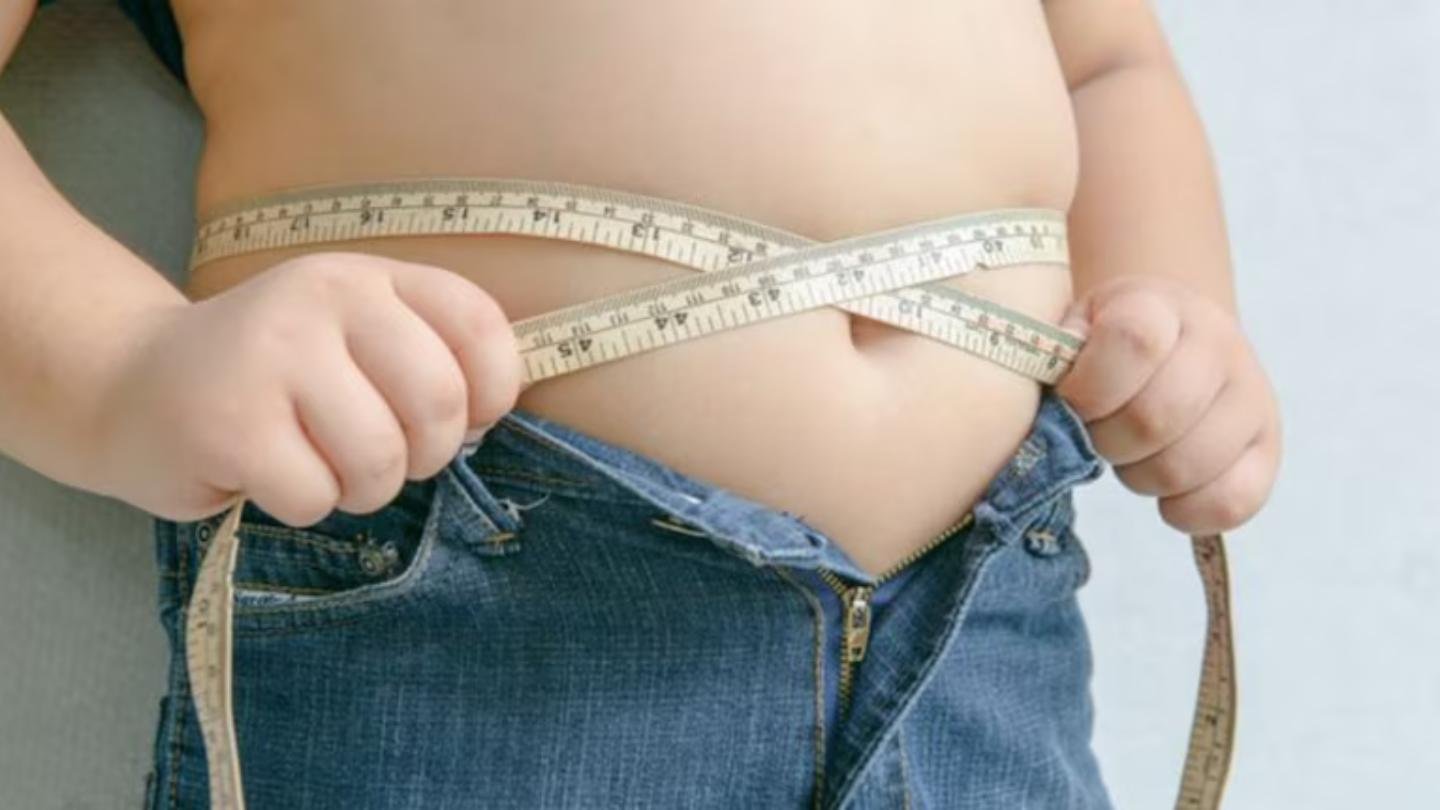
Childhood obesity is climbing rapidly in India, especially in urban areas where processed foods and sedentary lifestyles are becoming the norm. Experts estimate that more than 12 million Indian children between the ages of 5 and 19 are overweight or obese — a trend that can begin as early as the toddler years.
Dr. Vivek Jain, Senior Director & Unit Head of Paediatrics at Fortis Hospital, Shalimar Bagh, warns that the shift is gradual but dangerous. “When a child’s weight increases faster than their height, when they tire easily during play, or develop dark, rough patches on the neck or underarms, these can be early warning signs linked to sugar-related health problems,” he says.
Common Myths Holding Parents Back
- “Active kids can eat anything.” Running around doesn’t cancel out the effects of fried snacks and junk food.
- “Healthy food is expensive.” A simple plate of dal, roti, rice, seasonal vegetables, and local fruits is both affordable and nourishing.
- “Sugar is harmless apart from tooth decay.” Excess sugar fuels weight gain, diabetes, and other health issues.
Lifestyle Habits Driving Obesity
While junk food gets most of the blame, large portion sizes, sugary drinks, and long hours of sitting are equally responsible. In cities, easy access to processed snacks and soft drinks makes the problem worse.
How Much Activity Do Kids Need?
Children aged 5–17 should get at least 60 minutes of physical activity daily. This doesn’t have to mean formal exercise — cycling, cricket, skipping rope, household chores, gardening, or even fetching items can all keep them active.
Simple Tips for Healthier Eating
- Offer 2–3 healthy food choices and let kids decide.
- Avoid labeling food as “good” or “bad” — instead, say “This food makes you strong.”
- Eat together as a family to model healthy habits.
- Involve children in grocery shopping and cooking to make healthy eating exciting.
- Swap fizzy drinks for water, lemon water, buttermilk, or coconut water.
- Replace biscuits or chips with fruit.
- Use smaller plates to control portions.
- Add an extra vegetable to lunch or dinner.
- Keep meals away from screens.
Dr. Jain’s message is clear: move more, sit less, and make nutritious food a natural part of daily life. Early awareness and small lifestyle changes can help reverse the trend and protect children’s long-term health.
Image Source: Pinterest | Image Credit: Respective Owner