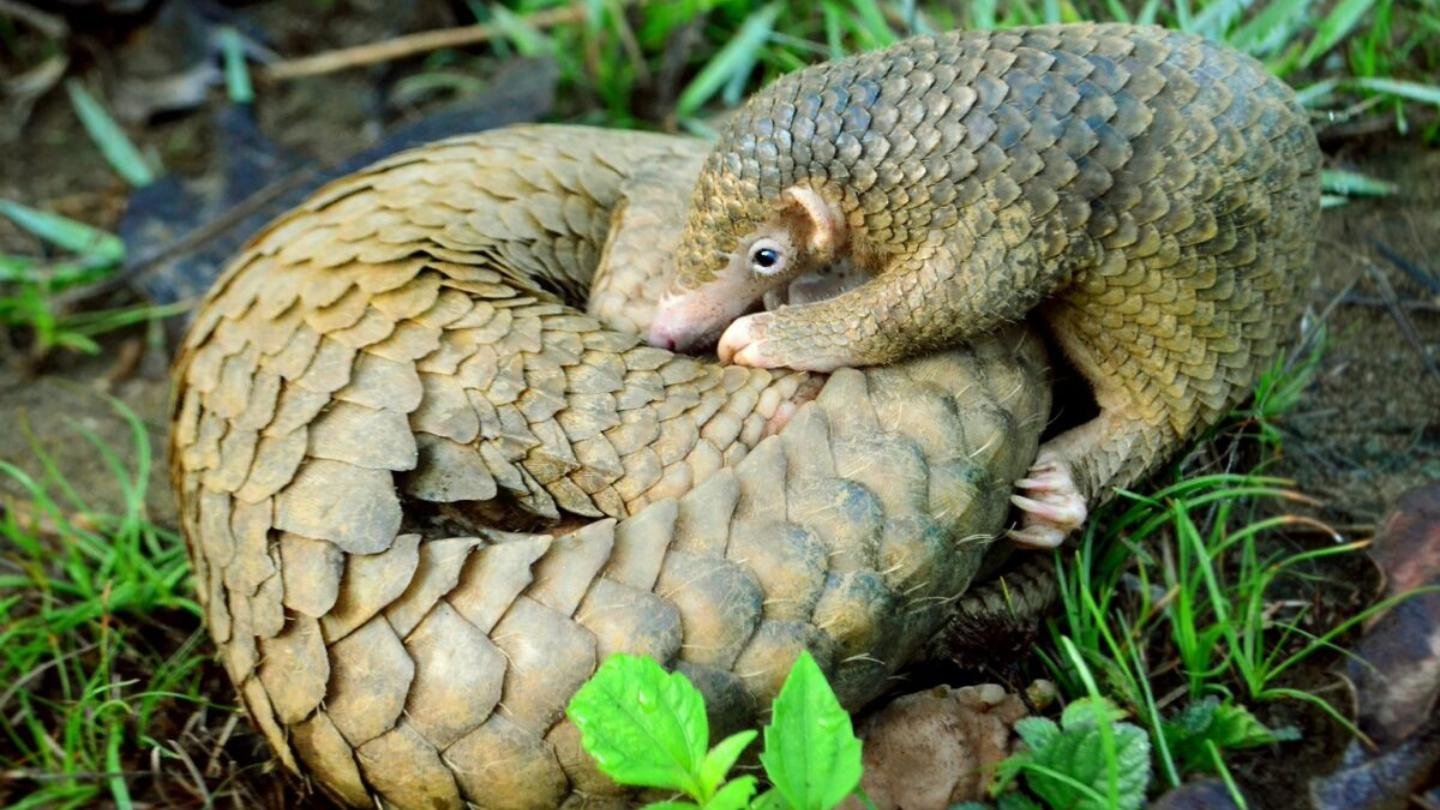
Despite being the world’s most trafficked mammal — hunted more than elephants, rhinos, and tigers combined — pangolins remain largely unknown to the public. These shy, nocturnal, scale-covered creatures are targeted mainly for their scales, used in traditional medicine, and their meat. International protections exist, but illegal trafficking continues to push all eight pangolin species toward extinction.
The Visibility Problem
Pangolins lack the fame of elephants or lions. They rarely appear in wildlife tourism, children’s books, or big-budget nature documentaries. For years, they’ve been missing from the public conservation conversation — a problem that limits funding, advocacy, and political will.
But this is beginning to change. The new Netflix documentary Pangolin: Kulu’s Journey follows a rescued pangolin and the conservationists protecting him, giving viewers an intimate look at the crisis and the intelligence of these often-overlooked animals. The film makes the issue personal, helping people connect to a species they may have never heard of — a connection that can lead to action.
Why Storytelling Matters
History shows the power of media in shifting public opinion. Blackfish sparked global outrage over orca captivity. My Octopus Teacher deepened empathy for marine life. By telling pangolins’ stories, filmmakers and conservationists can inspire donations, policy changes, and grassroots activism.
The Pangolin Crisis Fund, which partnered on Kulu’s Journey, supports frontline groups in Africa and Asia working to stop poaching, trafficking, and demand. Beyond their endangered status, pangolins are ecosystem engineers — their burrows provide shelter for other species, and their insect-heavy diet helps maintain forest health.
Broadening Conservation Priorities
The animals that get the most attention often get the most resources. To protect biodiversity, conservation must expand beyond iconic species to include lesser-known ones like pangolins. Media platforms, conservation groups, funders, and the public all have a role in raising their profile.
While not every species will get a Netflix feature, targeted storytelling can turn an unfamiliar animal into a conservation symbol. By shifting the narrative, pangolins don’t have to remain both the world’s most trafficked and most forgotten mammal.
Image Source: Google | Image Credit: Respective Owner