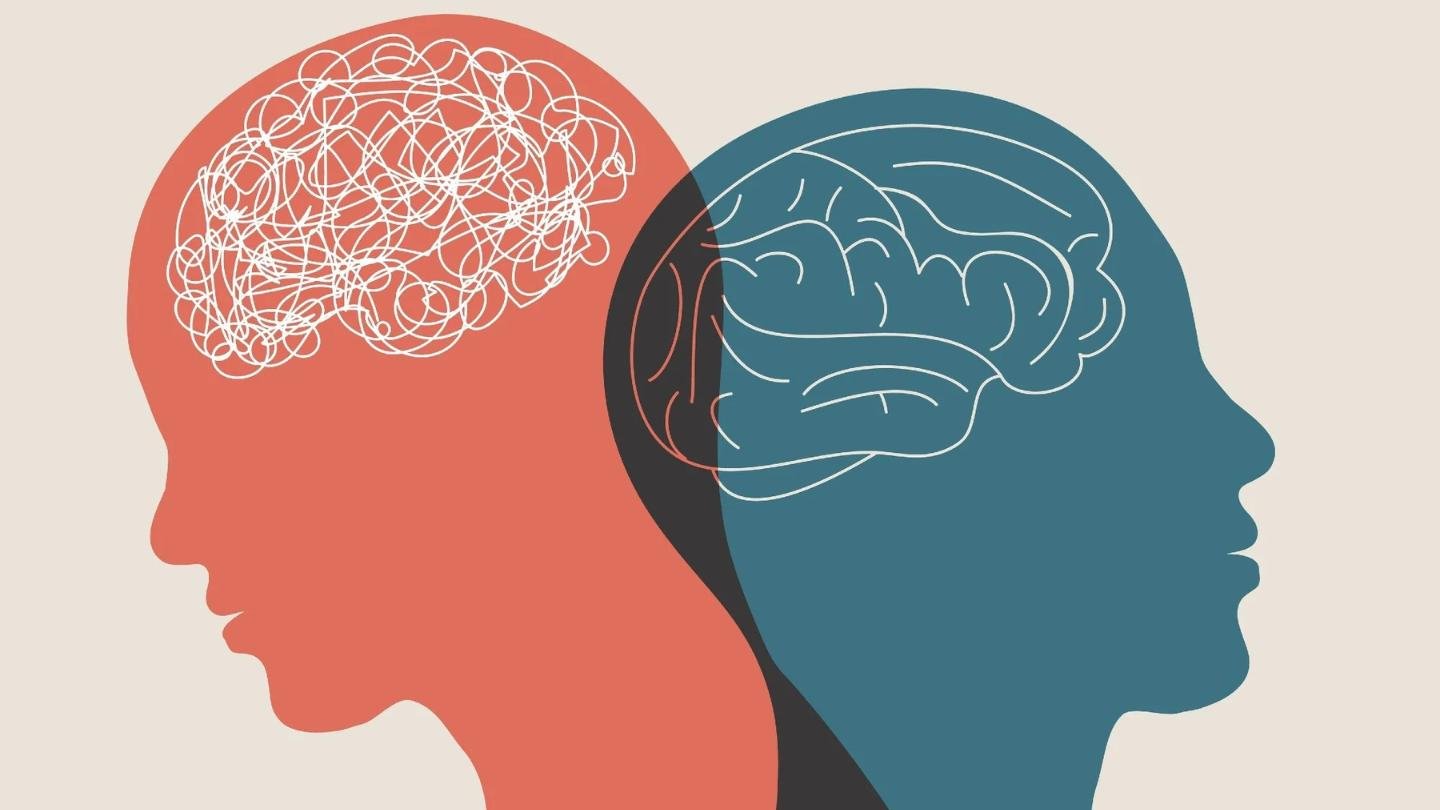
A groundbreaking review published in Cell reveals how decoding the brain’s energy regulation circuits could revolutionize obesity treatment. By understanding how the central nervous system (CNS) processes hormonal and neural signals to maintain energy balance, scientists are closer than ever to developing safe and effective weight loss drugs.
The Obesity Puzzle: From Survival to Global Crisis
Since the 1980s, obesity rates have skyrocketed, now affecting nearly 1 billion people worldwide. The interaction of genetics, environment, and modern lifestyles has created a perfect storm for weight gain. Our brain’s appetite circuits evolved to defend against starvation, not to handle ultra-processed, calorie-dense diets.
Researchers describe obesity as a mix of “push” mechanisms (brain-driven overeating) and “pull” mechanisms (the body storing more fuel). Understanding this push–pull system is key to designing therapies that work long term.
Hormonal Messengers: Gut, Fat, and Liver in Conversation with the Brain
The brain blends long-term energy signals like leptin (from fat cells) with short-term meal-related hormones like GLP-1, GIP, CCK, PYY, and ghrelin (the hunger hormone). These signals, combined with gut stretch sensors and nutrient detectors, provide real-time feedback to regulate appetite and metabolism.
The liver also plays a role, releasing molecules such as FGF21 and IGF-1 that influence energy use and storage.
The Hypothalamic Circuits: Setting the Energy Budget
At the core of the brain’s appetite control is the arcuate nucleus (ARC) of the hypothalamus, which monitors circulating hormones. Here:
- AgRP neurons stimulate hunger.
- POMC neurons suppress it.
These circuits adapt via synaptic plasticity, adjusting to the body’s needs over time.
Hindbrain & Vagal Signals: Satiety Without Side Effects
The dorsal vagal complex (DVC) in the brainstem helps end meals without causing nausea. Some circuits, like NTS-GLP-1R neurons, can promote fullness gently, while others, like those activated by GDF15, can cause unpleasant side effects.
Why Junk Food Wins: Reward and Motivation Systems
The mesocorticolimbic reward system assigns value to food cues, making high-calorie snacks irresistible. The lateral hypothalamus links hunger circuits to dopamine pathways, explaining why some foods feel almost addictive.
From Brain Circuits to Breakthrough Medications
Traditional drugs like phentermine–topiramate worked on brain monoamines but had significant side effects. Modern peptide therapies — such as GLP-1 receptor agonists — have changed the game, offering 5–10% weight loss with better tolerability.
- Dual GLP-1/GIP drugs reduce nausea while keeping appetite control strong.
- Amylin receptor agonists (e.g., amycretin) are showing up to 24% weight loss in trials.
The Future: Precision Appetite Control
Next-gen weight loss treatments aim to:
- Target specific brain circuits for satiety without aversion.
- Personalize drug combinations based on patient biology.
- Protect long-term heart and metabolic health.
By mapping the brain’s “energy control blueprint,” scientists are designing therapies that work with our biology — not against it — for safe, sustainable weight loss.
Image Source: Google Images
Image Credit: Respective Owner