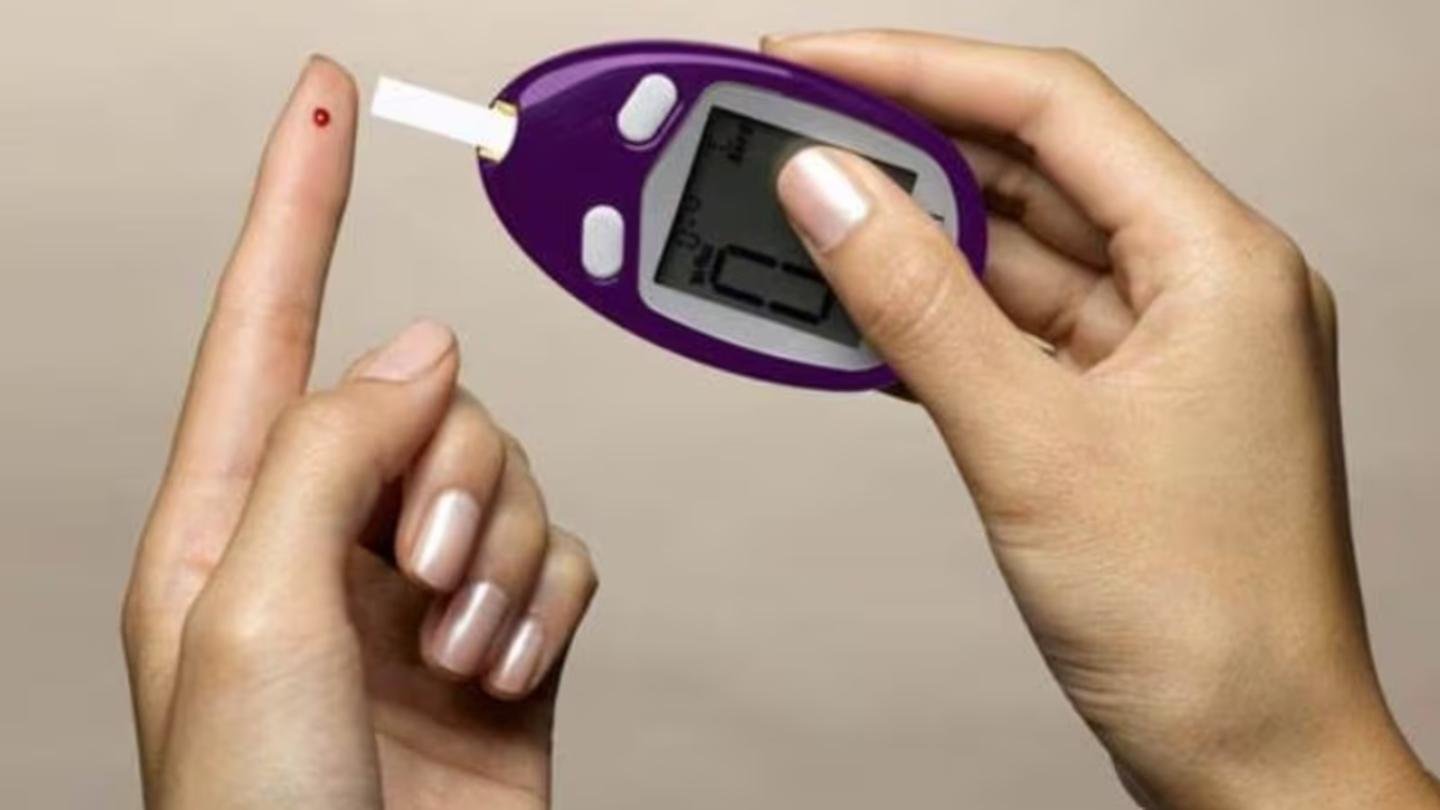
A significant study published in The Lancet Global Health journal reveals that one in five adults aged 45 and above in India had diabetes in 2019. Alarmingly, 40% of these individuals were unaware of their condition. The study, which draws on findings from the Longitudinal Aging Study in India (LASI), highlights the widespread nature of the disease and underscores the urgent need for increased awareness and screening.
Key Findings from the Study
The LASI survey, which included nearly 60,000 adults from across India, explored the prevalence, awareness, treatment, and control of diabetes in older adults (45+). According to the study:
- An estimated 20 million Indians have undiagnosed diabetes, and about 8% of elderly people (60+) are unaware of their condition.
- Among older adults, 5% were found to have untreated diabetes, while 47% had under-treated diabetes, and 36% were adequately treated.
- Urban areas showed double the prevalence of diabetes compared to rural areas (30% vs. 15%).
- The study also showed that men and women had nearly identical rates of diabetes, with 19.6% of men and 20.1% of women affected.
The study reveals that 60% of individuals with diabetes were aware of their condition, and 94% of those aware were undergoing treatment. This high treatment rate among those aware suggests that increasing awareness could be a game-changer in managing diabetes.
Regional Variations in Diabetes Prevalence
The study also highlighted significant regional variations in diabetes prevalence. States in southern India had the highest rates of diabetes, with states like Chandigarh, Kerala, and Puducherry leading with the highest age-adjusted rates. In contrast, central and northeastern India had relatively lower rates. The states with the largest number of diabetic adults were Tamil Nadu, Maharashtra, and Uttar Pradesh.
- Chandigarh: 36.9%
- Kerala: 36.0%
- Puducherry: 36.0%
The study used advanced methods to test HbA1c levels (a measure of diabetes control over three months), providing more accurate data compared to random glucose tests commonly used in other surveys.
The Call for Universal Screening
Given the alarming statistics, experts are advocating for universal diabetes screening to ensure early diagnosis and better management of the disease. Dr. T.V. Sekher, one of the study’s principal authors, emphasized that the findings highlight the urgent need to scale up policies for the prevention, detection, management, and control of diabetes in middle-aged and older adults. He stressed that improving lifestyle habits and increasing awareness about diabetes can significantly reduce the burden of cardiovascular disease, which is commonly associated with uncontrolled diabetes.
The Importance of Early Detection
The study’s findings underline the critical role of early detection in preventing long-term complications. With the right treatment and lifestyle changes, many people with diabetes can regain control over their blood sugar levels and avoid further complications such as heart disease, kidney failure, and vision loss.
Dr. Sekher pointed out, “Once people are aware of their diabetes, treatment coverage is good. This is the most important finding. Awareness can change the health map.”
What Needs to Be Done?
As the prevalence of diabetes continues to rise, especially in older adults, public health campaigns focusing on early screening and lifestyle interventions are crucial. There’s also a need for targeted interventions in high-risk regions and for high-risk groups to combat this growing health crisis.
Conclusion
This study serves as a wake-up call for India to prioritize diabetes awareness and screening across the population. The evidence strongly suggests that early intervention can significantly reduce the risk of complications and improve quality of life for millions of Indians living with diabetes.
Image Source: CC0 Public Domain
Image Credit: Respective Owner