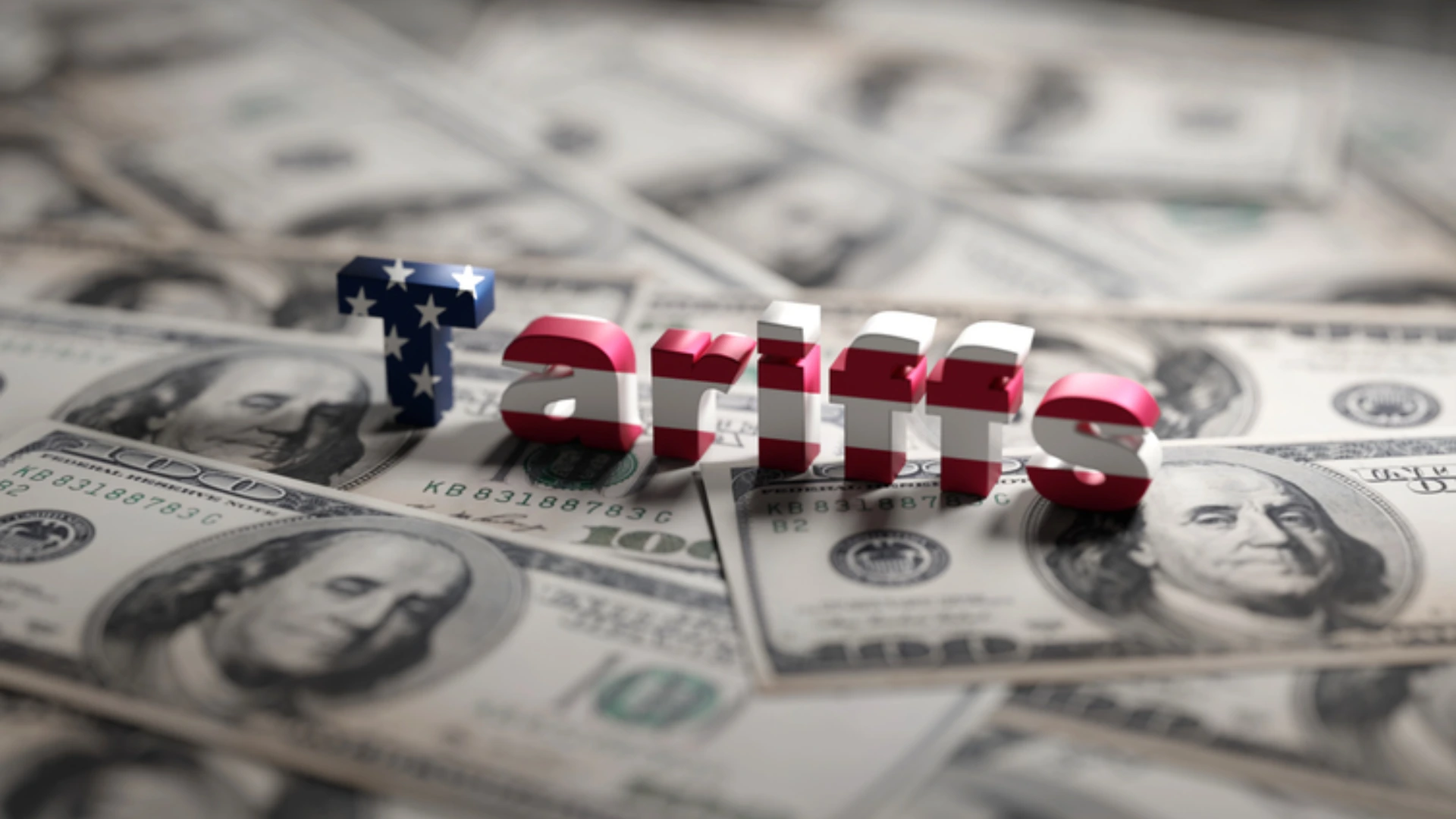
The latest wave of U.S. tariffs under President Donald Trump has shaken economies across Asia, particularly those reliant on American markets for exports. First announced on “Liberation Day” in April, the tariffs targeted dozens of countries, from major U.S. allies like Japan and South Korea to smaller Southeast Asian economies. With the August 1 deadline now passed, here’s a breakdown of which nations were hit hardest—and how they responded.
U.S. Allies Fared Relatively Better
🇯🇵 Japan & 🇰🇷 South Korea:
Originally facing 25% tariffs, both countries successfully negotiated a reduction to 15% by late July. Their strong economic and military ties with the U.S., along with crucial exports like cars and semiconductors, likely contributed to the favorable adjustment. Trump hailed the deal with Japan as “the largest trade agreement in history.”
🇹🇼 Taiwan:
One of the world’s top chip producers, Taiwan saw its tariff drop from 32% in April to 20%. President Lai Ching-te noted that the current rate is “temporary” and that talks with Washington are ongoing. However, sector-specific levies—especially on semiconductors—remain a possibility.
🇦🇺 Australia:
Initially subject to a 10% tariff, Australia avoided any increase. Neighboring New Zealand, however, saw its rate climb to 15%, prompting diplomatic pushback from Wellington.
Hardest Hit: China and India
🇨🇳 China:
While not directly affected by the latest announcements, China remains central to U.S. trade tensions. Talks continue over technology access, fentanyl controls, and rare earth supplies. A 90-day extension of the U.S.-China trade truce has been agreed, with key negotiations ongoing.
🇮🇳 India:
Despite being described by Trump as a “good friend,” India was slapped with a 25% tariff along with an “unspecified penalty” for its continued purchases of Russian oil and arms. While slightly lower than the 27% initially proposed, the move has strained relations. U.S. Secretary of State Marco Rubio called India’s defense ties with Moscow a “point of irritation.”
Mixed Outcomes Across Southeast Asia
Southeast Asian nations, many of which are part of the ASEAN bloc, saw some of the steepest tariffs, particularly those with large manufacturing sectors:
| Country | Initial Tariff (April) | Final Tariff (Aug 1) |
|---|---|---|
| 🇻🇳 Vietnam | 46% | 20% |
| 🇰🇭 Cambodia | 49% | 20% |
| 🇲🇾 Malaysia | Up to 40% | 19%-20% |
| 🇮🇩 Indonesia | Up to 45% | 20% |
| 🇵🇭 Philippines | 41% | 20% |
| 🇱🇦 Laos | ~45% | 40% |
| 🇲🇲 Myanmar | ~47% | 40% |
| 🇧🇳 Brunei | ~30% | 25% |
| 🇸🇬 Singapore | 10% | 10% (unchanged) |
Vietnam was the first to negotiate and lower its tariff, effectively setting a precedent for others. Laos and Myanmar were hit hardest, with rates holding at 40%, likely due to limited U.S. market access and close ties with China.
South Asia and the Pacific
🇵🇰 Pakistan:
Pakistan saw its tariff set at 19%—the lowest among South Asian nations. Improved diplomatic relations, including a symbolic Nobel Peace Prize nomination for Trump by Islamabad, are believed to have played a role.
🇧🇩 Bangladesh and 🇱🇰 Sri Lanka were both hit with 20% tariffs, significantly impacting their key textile sectors.
Pacific nations like Fiji, Nauru, and Papua New Guinea face 15% tariffs, while Kazakhstan received 25%.
What’s Next?
According to trade expert Dr. Deborah Elms of the Hinrich Foundation, the announced rates may still shift. “The executive order allows the president to revise tariffs based on changing conditions or further negotiations,” she said.
Trump’s agencies have also been granted broad powers to manage trade disputes on a case-by-case basis—leaving open the possibility of more deals, reductions, or further penalties in the weeks ahead.
Image Source: Google
Image Credit: Respective Owner