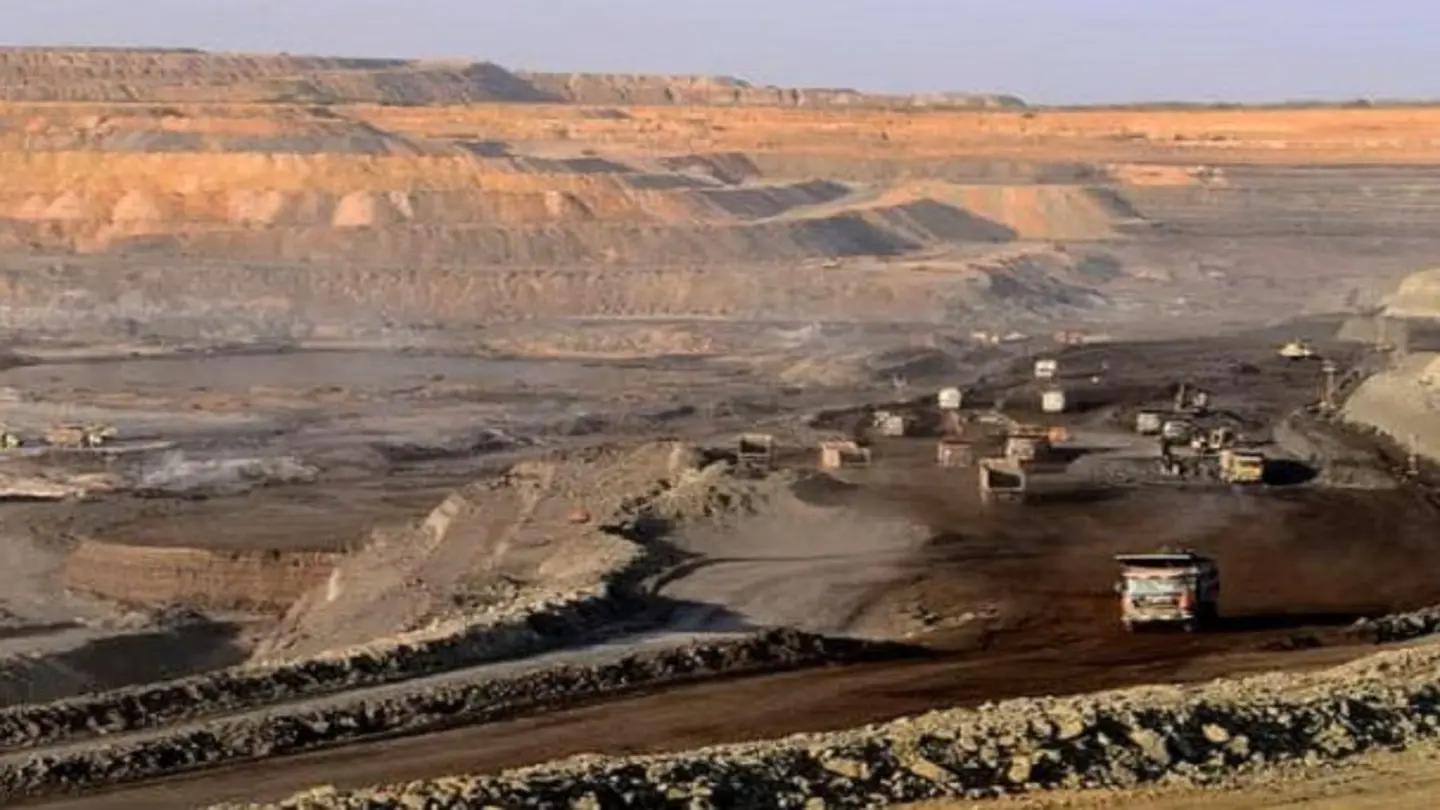
Japan and India are in discussions to explore potential collaborations for rare earth mineral exploration, according to sources familiar with the matter. The talks aim to strengthen supply chain resilience and reduce dependence on single sources for these critical materials, which are vital for various high-tech industries, including electric vehicles, renewable energy, and defense.
The discussions reportedly cover potential joint exploration projects, technology sharing, and investment opportunities in India’s rich rare earth deposits. While specific details remain confidential, the initiative underscores the growing strategic importance of rare earth elements in the global economy.
Strategic Importance of Rare Earths
Rare earths are a group of 17 elements with similar properties, essential components in numerous advanced technologies. China currently dominates the global rare earth supply chain, controlling the majority of mining, processing, and manufacturing capabilities. This concentration has raised concerns among countries like Japan and the United States about potential supply disruptions and geopolitical risks.
Japan, heavily reliant on imported rare earths, is actively seeking to diversify its sources. India, possessing substantial rare earth reserves, presents an attractive partner. The collaboration could involve joint feasibility studies, exploration permits, and investment in processing facilities in India.
Potential Benefits of Collaboration
For Japan, partnering with India would provide access to a stable and diversified supply of rare earths, mitigating risks associated with China’s dominance. For India, the collaboration could attract foreign investment, boost its domestic mining and processing industries, and generate economic growth. It also aligns with India’s strategic goal of becoming a global hub for advanced manufacturing.
The talks are part of a broader trend of countries seeking to secure their supply chains for critical minerals. The initiative is expected to continue in the coming months, with the possibility of concrete agreements emerging. The development has been welcomed by industry analysts who believe it will contribute to a more stable and resilient global rare earth market.
This collaboration signals a shift towards a more multipolar rare earth market, reducing reliance on a single supplier and fostering greater geopolitical stability. Both nations recognize the strategic importance of these elements and are taking proactive steps to secure their access to this vital resource. Exploring joint ventures and technology transfer represents a crucial step towards building a stronger and more diversified rare earth supply chain for both countries and the global economy.
Image Source: Google | Image Credit: Respective Owner