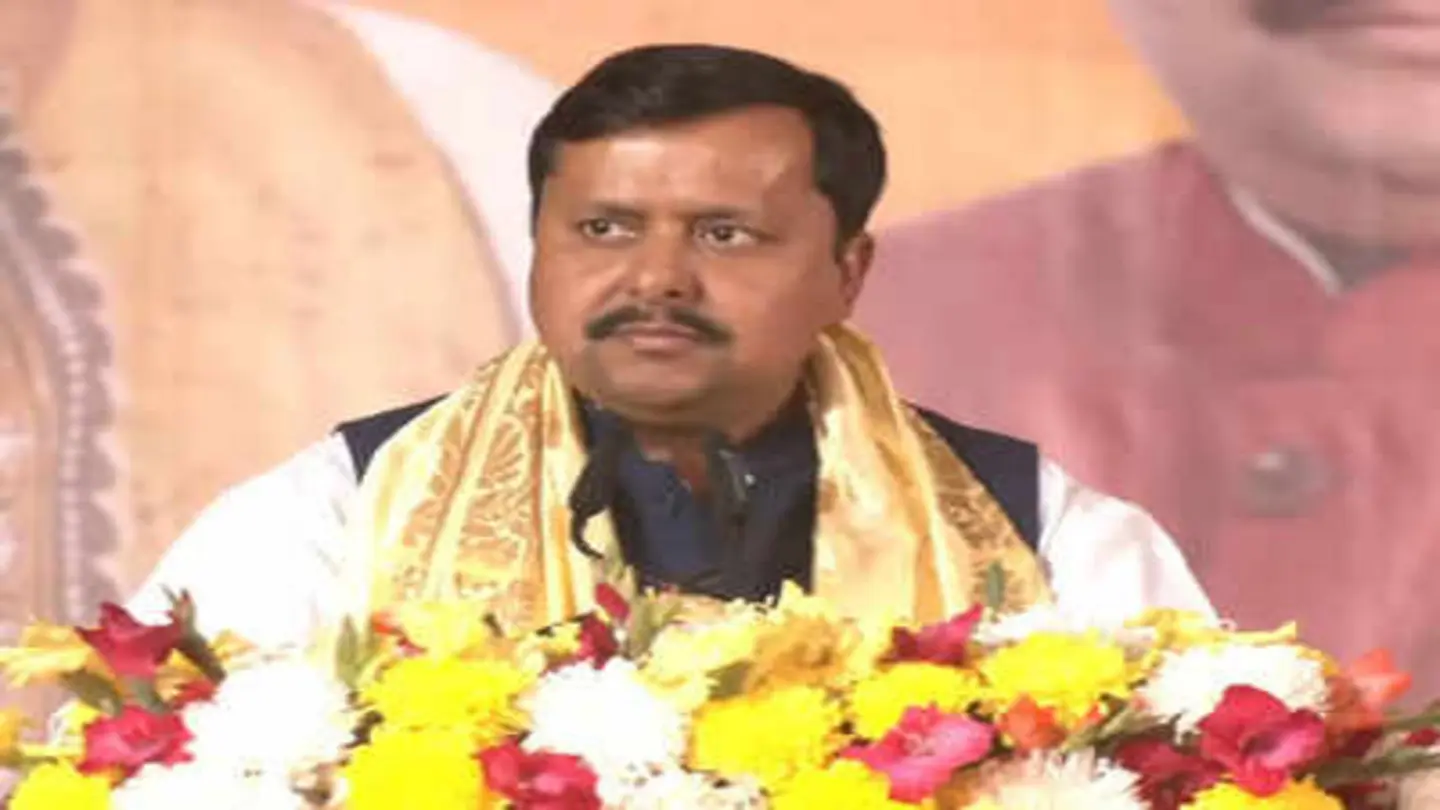
In a significant political move, Nitin Nabin, the president of the Bharatiya Janata Party (BJP), has reportedly secured a seat in the Rajya Sabha, India’s upper parliamentary chamber. This development marks a strategic consolation for the BJP leadership, which appears to be consolidating its influence ahead of upcoming electoral challenges. Nabin’s induction aligns with the party’s focus on retaining key figures within its hierarchy while broadening its legislative outreach.
The party has also announced a reward system for high-performing members, offering them tickets to exclusive events or high-profile gatherings. This initiative, as per internal sources, aims to strengthen internal morale and public engagement. The rewards, described as symbolic gestures, are intended to acknowledge grassroots efforts and electoral successes, reinforcing the party’s hierarchical structure.
Nitin Nabin: A Rising BJP Leader?
Nitin Nabin, though not a household name nationally, has been a consistent performer at the state level. His elevation to Rajya Sabha suggests the BJP’s emphasis on retaining experienced leaders who can navigate complex parliamentary dynamics. Analysts speculate that this move could be part of a broader strategy to counter opposition demands for representation in key legislative forums.
The party’s reward system, while novel, has drawn mixed reactions. Critics argue that such symbolic gestures may lack substance, while supporters view them as a pragmatic approach to maintaining unity. The tickets, reportedly exclusive to select events, are seen as a way to foster loyalty without significant financial outlays.
This dual focus on legislative representation and member rewards reflects the BJP’s adaptive policies. By balancing internal rewards with external political gains, the party seems to be navigating the fine line between organizational cohesion and public image. However, the effectiveness of these strategies remains to be seen, particularly in the context of evolving voter expectations and opposition countermeasures.
As the Rajya Sabha prepares for new membership, Nabin’s role will likely expand beyond ceremonial duties. His contributions could influence key policy discussions, leveraging his grassroots connections to advocated for party agendas. Meanwhile, the reward system for performers may set a precedent for how political parties recognize and incentivize their supporters in the future.
In summary, the BJP’s current initiatives underscore its efforts to consolidate power through both traditional and innovative means. While the induction of Nitin Nabin into the Rajya Sabha is a strategic victory, the party’s long-term success will depend on how effectively it balances internal rewards with broader electoral imperatives.
Image Source: Google | Image Credit: Respective Owner