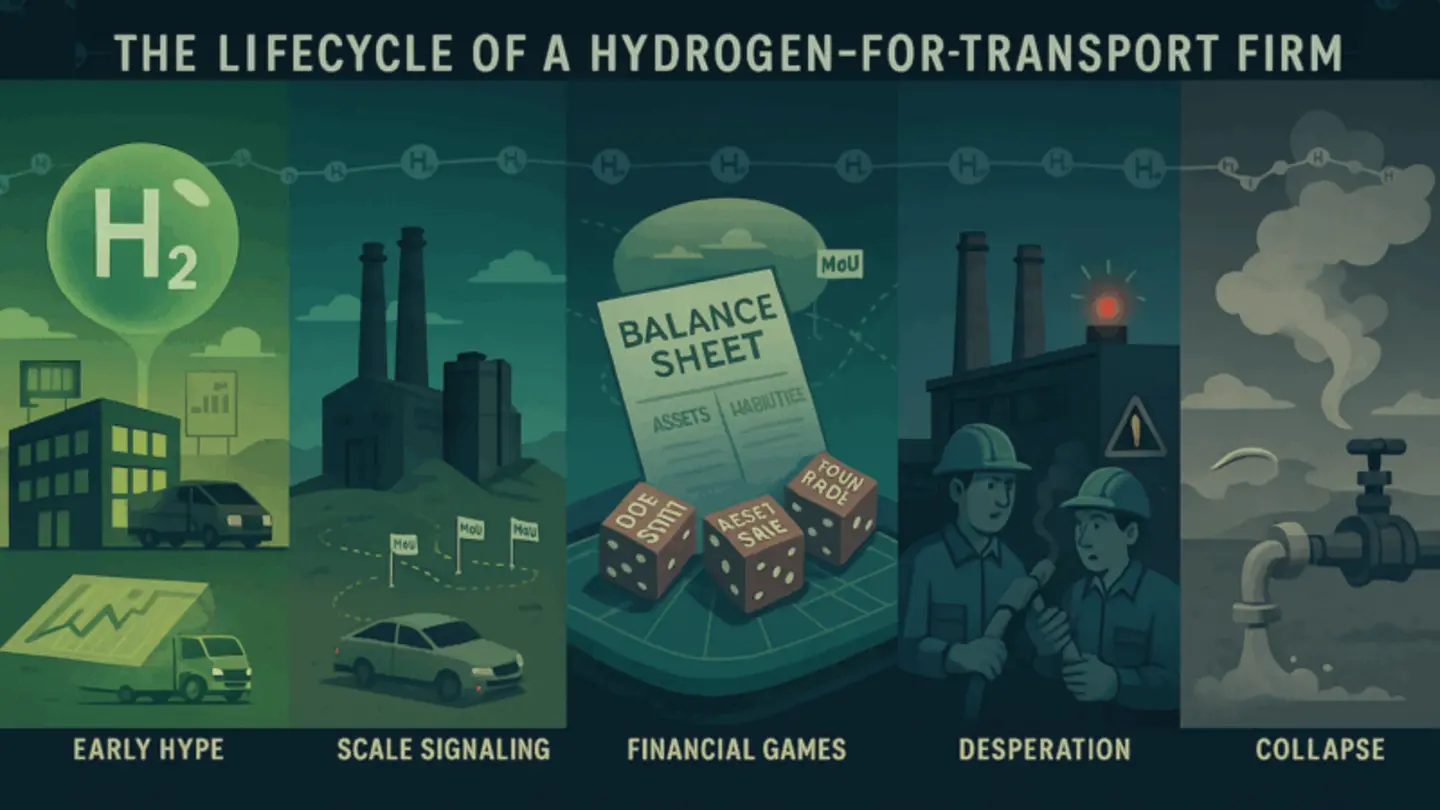
Life cycle funds, also known as target-date funds, are designed to automatically adjust their asset allocation over time based on a specific financial goal, such as retirement. These funds follow a preset investment strategy that becomes increasingly conservative as the target date approaches, reducing exposure to volatile assets like stocks and increasing bonds or cash reserves. This hands-off approach appeals to investors seeking long-term planning without active management.
Typically, younger investors start with aggressive allocations, leveraging equities for growth potential. As the target date nears—often 15 to 20 years out—the fund gradually shifts to lower-risk investments. This lifecycle strategy aims to protect accumulated wealth from market downturns while maintaining growth opportunities during earlier investment phases.
Finshots, a financial education platform, highlights the popularity of life cycle funds among millennials and Gen Z. The article explains how these funds eliminate the need for manual portfolio rebalancing, making them ideal for first-time investors or those lacking time to monitor markets. However, critics caution that fees can erode returns over decades and that the one-size-fits-all approach may not suit all risk tolerances.
Regulatory bodies like the U.S. Securities and Exchange Commission (SEC) emphasize the importance of understanding fund mechanics before investing. Some funds allow investors to adjust their target dates or switch to alternative strategies if circumstances change. Despite this flexibility, the predetermined nature of lifecycle funds requires careful consideration of personal financial goals and market conditions.
Recent trends show growth in ESG (Environmental, Social, and Governance)-themed life cycle funds, catering to ethically conscious investors. These funds integrate sustainability criteria into asset selection while adhering to lifecycle principles. Experts note that while innovation in this space expands choices, investors must scrutinize fund providers’ track records and fee structures.
In conclusion, life cycle funds offer a streamlined solution for long-term financial planning but demand due diligence. Their automation and gradual risk reduction make them a staple in 401(k) plans and retirement accounts. As financial literacy improves, these funds are likely to evolve, incorporating personalized features to better align with diverse investor needs.
Image Source: Google | Image Credit: Respective Owner