California Officials Grapple with Unusual Bird Flu Outbreak
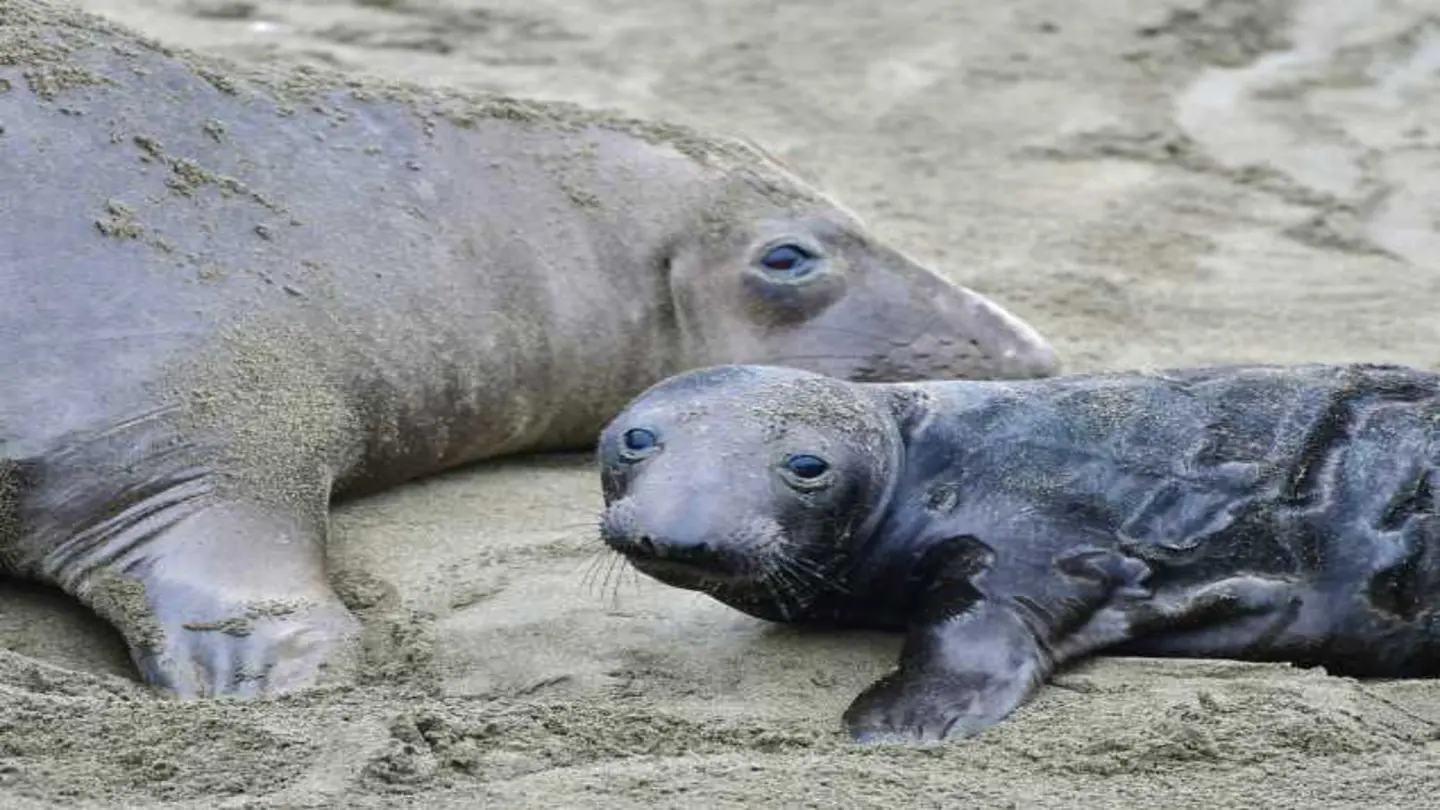
A significant and concerning outbreak of avian influenza, commonly known as bird flu, has recently impacted a population of elephant seal pups at Año Nuevo State Park in California. Authorities are reporting the deaths of dozens of the young seals, marking an unprecedented event and raising concerns about the potential spread of the virus within the marine mammal population.
The affected pups, typically weighing between 50 and 150 pounds, exhibited symptoms consistent with the H5N1 strain of bird flu, including respiratory distress, lethargy, and neurological issues. Veterinary teams from the California Department of Fish and Wildlife, in collaboration with the U.S. Geological Survey, are working diligently to investigate the source of the infection and assess the scope of the outbreak.
“This is a highly unusual situation,” stated Dr. Emily Carter, a wildlife veterinarian involved in the response. “Elephant seals are generally considered to be relatively immune to avian influenza. The fact that they are succumbing to this virus is deeply troubling and requires immediate attention.”
The exact origin of the virus remains under investigation. While the outbreak is currently localized to Año Nuevo State Park, officials are monitoring other seal colonies along the California coast to detect any potential spread. Researchers are exploring various hypotheses, including contact with infected migratory birds, contaminated water sources, or even a mutation of the virus that allows it to infect marine mammals.
Response and Containment Efforts
Containment measures are being implemented at Año Nuevo State Park, including restricting public access to the breeding grounds and enhanced surveillance of the affected seals. Dead seals are being collected and tested to further understand the virus’s characteristics and transmission pathways. Vaccination of the entire elephant seal population is considered a complex and potentially risky undertaking, and is not currently being pursued. However, researchers are exploring the possibility of developing a vaccine tailored to marine mammal immune systems.
The situation highlights the vulnerability of marine mammal populations to emerging infectious diseases. Climate change, habitat loss, and increased human activity are all contributing factors that could increase the risk of disease outbreaks. Continued monitoring, research, and proactive management strategies are crucial to protecting these iconic animals.
The long-term impact of this outbreak on the elephant seal population remains uncertain. Authorities are urging the public to report any signs of illness in seals to the California Department of Fish and Wildlife. Further updates will be provided as the investigation progresses and more information becomes available. The unusual nature of this event underscores the importance of ongoing wildlife health surveillance and preparedness efforts.
This incident serves as a stark reminder of the interconnectedness of ecosystems and the potential for diseases to spread across species boundaries. The response to this outbreak will undoubtedly inform future strategies for managing wildlife health and mitigating the risks posed by emerging infectious diseases.
Image Source: Google | Image Credit: Respective Owner